


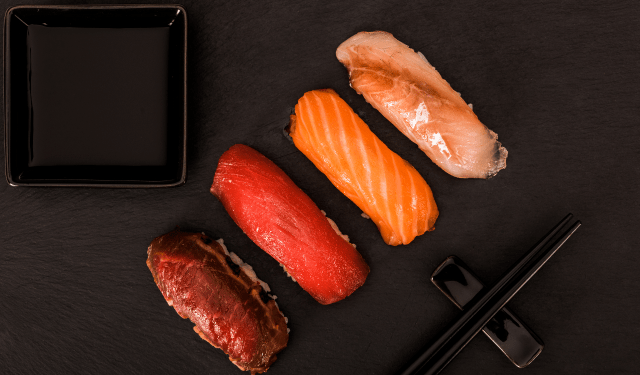
10 Expensive Gourmet Fish (Part 2)
The oceans are home to many rare and delicious delicacies—and when something is both rare and genuinely good, it often becomes expensive. In the first part of 10 Expensive Gourmet Fish (Part 1), we explored the main variables that can drive up the cost of a seafood species:
Rarity/availability
Strong market demand
Legal restrictions
Let’s quickly recap the species already listed:
10. Wild Sockeye salmon
9. Dover sole
8. Halibut
7. Chinook salmon
6. Yellowfin tuna (Ahi)
Without further ado, let’s continue with 10 Expensive Gourmet Fish (Part 2).
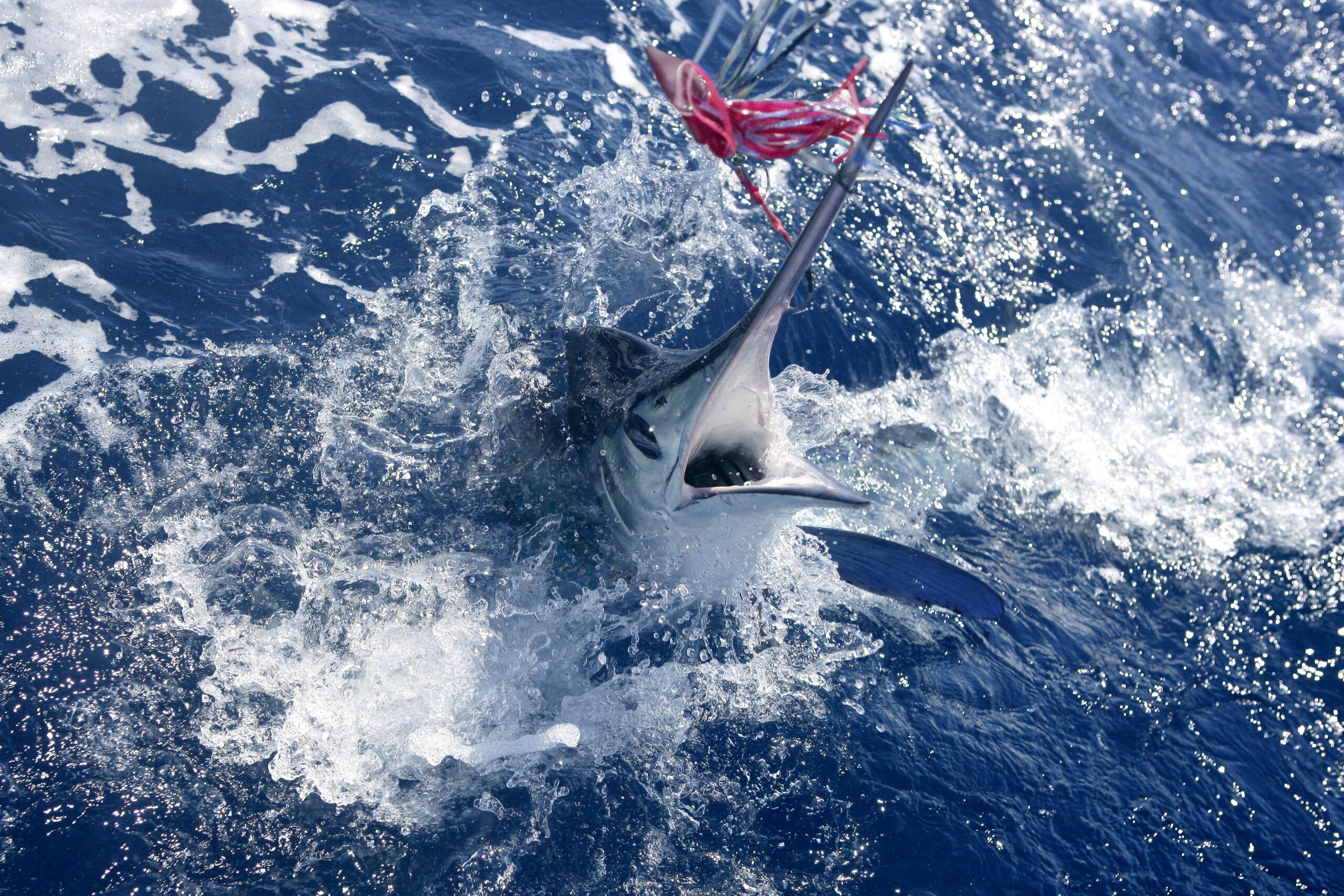
5. Swordfish

4. Alaska Wild King Salmon (Alaskan Wild King Salmon)


Technically, Alaska Wild King salmon and Chinook salmon are the same species. However, “Chinook” is often used more broadly and may refer to farmed fish or wild fish caught in the continental United States.
By contrast, Alaska Wild King salmon is almost always wild-caught Chinook, originating from Alaska’s pristine rivers and coastal waters. Because these fish have cleaner and less impacted habitats to roam and thrive in, they can grow larger than their counterparts from other regions.
Many diners prefer Alaska Wild King salmon to farmed Chinook due to Alaska’s cleaner environment. But higher demand for Alaska-caught wild Chinook can translate into a significant price difference—sometimes more than €20 per kg—and can exceed €70 per kg.
Why is it expensive?
A cleaner, wider natural environment can produce fish that are bigger and, for many consumers, better-tasting. The idea is similar to the difference between grass-fed or free-range beef and conventional beef: Alaska Wild King salmon is like a free-range or grass-fed cut. In addition, because it’s caught in Alaska, transportation costs can be high.
3. Pufferfish (Fugu)

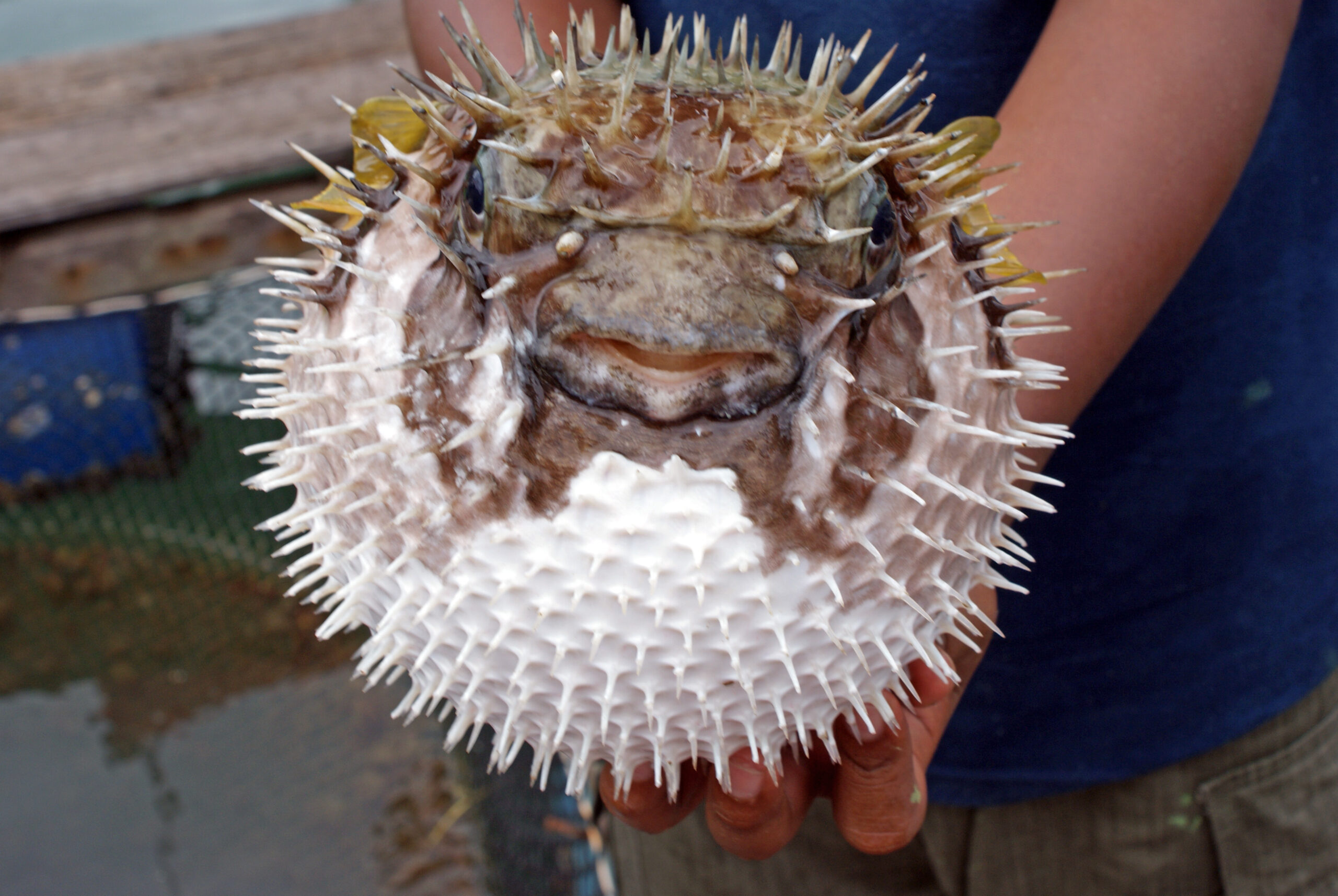
Pufferfish—also known as fugu—is one of the rarest and most expensive edible fish in the world. Unfortunately, it is also one of the most dangerous, because it contains potentially lethal toxins.
If prepared incorrectly, pufferfish toxin can kill a human in as little as four hours. In theory, that risk should make it one of the least desirable fish on the planet—but instead, it often increases curiosity and demand.
The world’s most skilled chefs know how to prepare fugu so it can be consumed safely. As a result, many adventurous diners are willing to try it.
In Italy, consumption has been prohibited since 1992. So where can you eat pufferfish (fugu) in Italy? The text notes that a restaurant in Milan holds a license to prepare it. To try this fish, you may need to be willing to spend up to €400 per kg.
Why is it expensive?
The logic is simple: fugu offers a distinctive, memorable taste that many find hard to describe—yet it can be deadly if mishandled. That mix of unique flavor and high risk makes fugu an experience some diners actively seek. Above all, the price reflects the highly specialized preparation required to make it safe.
2. American Eel (Anguilla rostrata)


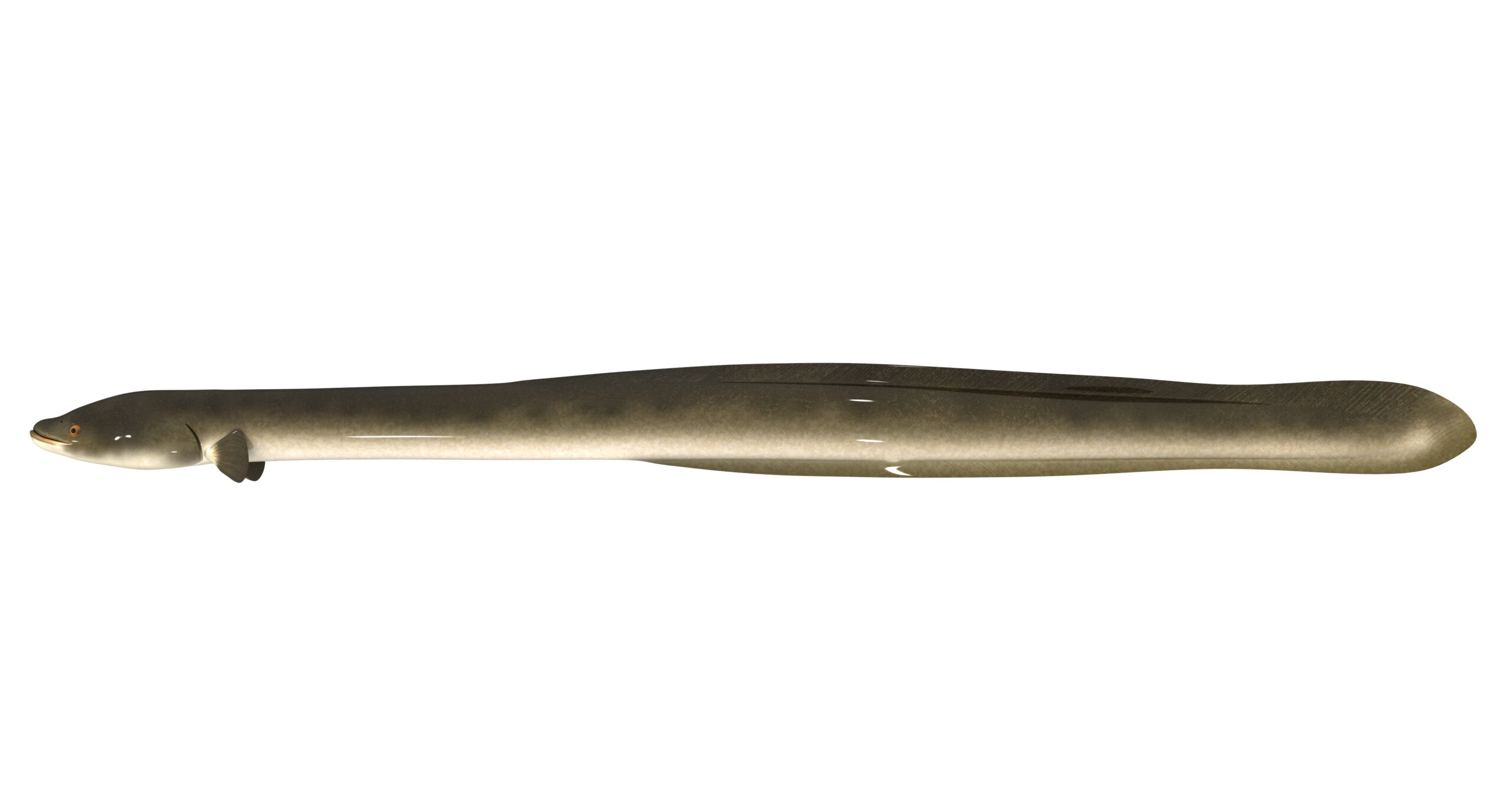
The American eel is native to the northeastern coasts of North America and is becoming increasingly rare.
In 2009, the price per kilogram of eels from Maine was around €200. From 2019 onward, the price fluctuated dramatically, at times reaching roughly €6,000 per kg.
Eel is not usually the first dish people imagine for an expensive gourmet seafood dinner—so why is the price of American eel so high?
Why is it expensive?
American eel is often compared to chicken in terms of flavor, and its sky-high price is linked to extreme scarcity. Illegal fishing has become a major problem, leading to strict catch restrictions and further inflating prices. This species can also grow quite large, occasionally reaching nearly two meters in length—one reason it is considered ideal for sushi.
1. Bluefin Tuna (Red Tuna)
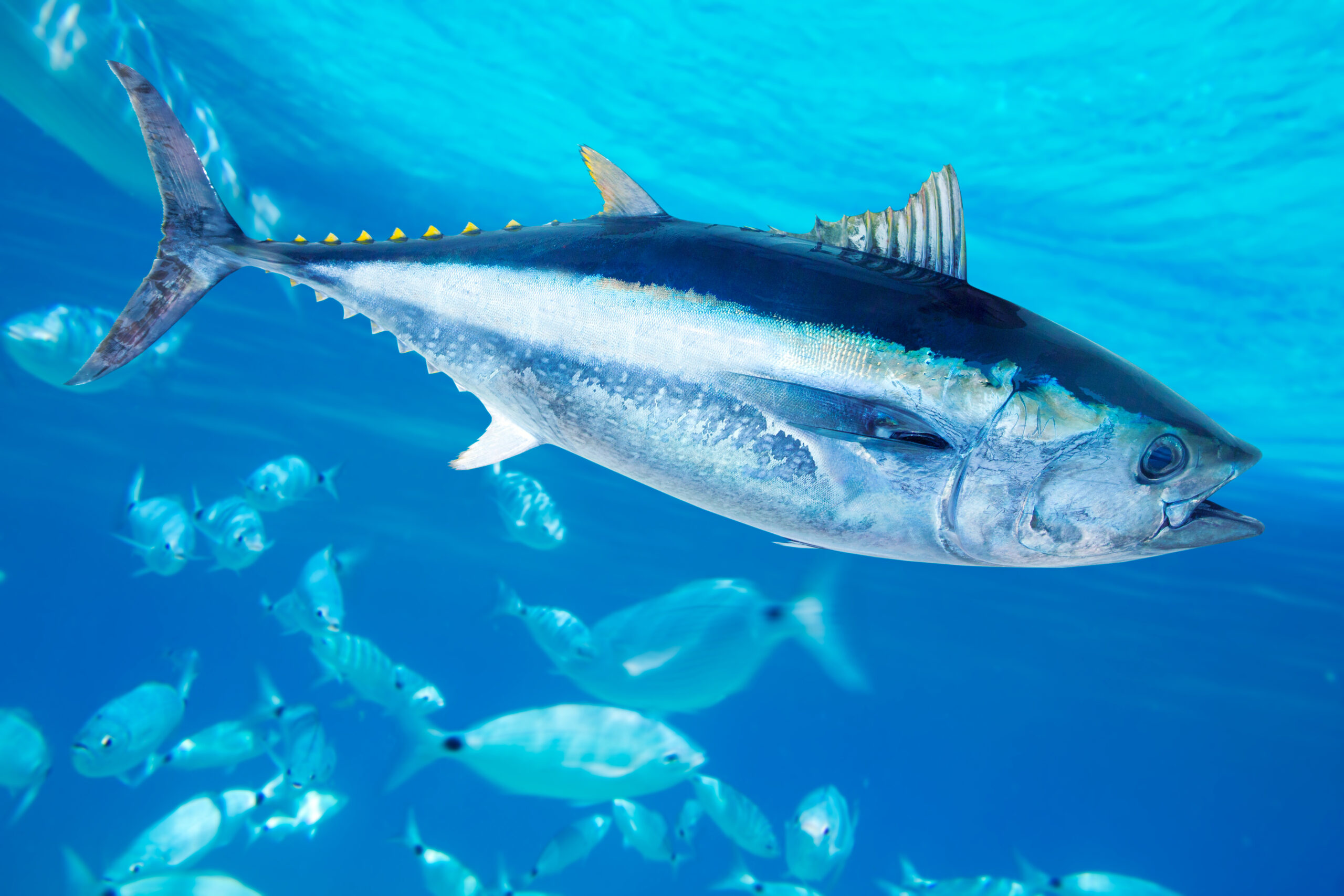
Bluefin tuna is described here as the most expensive edible fish on the planet. In 2019, an enormous bluefin tuna was reportedly sold for nearly €10,000 per kg.
This type of tuna is native to the North Atlantic Ocean and the Mediterranean Sea. However, the most expensive specimens are often found in the Pacific Ocean, off the coast of Japan.
Bluefin tuna is considered a delicacy not only for its distinctive flavor, but also because of its increasing rarity—though those are not the only reasons it can command such high prices.
Why is it expensive?
Bluefin tuna is among the most prized ingredients for sushi. Over time, it has built a strong international reputation, making it highly sought-after worldwide. It is not abundant—primarily due to overfishing and enormous demand. In addition, very large specimens have become increasingly rare over recent decades, making heavyweight catches exceptionally expensive.