
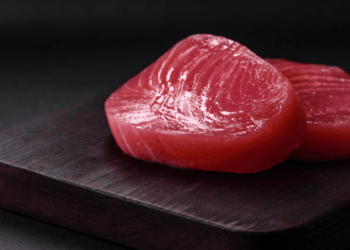
How tuna cuts differ in flavour and market value
From akami to ventresca, a guide to tuna cuts, their culinary uses, processing yield and commercial value across the seafood supply chain.



From akami to ventresca, a guide to tuna cuts, their culinary uses, processing yield and commercial value across the seafood supply chain.

The European Parliament’s Environment Committee backs a temporary suspension of the EPR authorised-representative requirement. What the proposal could mean for EU seafood SMEs.

Among Italian shopping tourists surveyed, 73% always or almost always buy food and non-alcoholic drinks. For seafood producers, local identity, practical packaging and digital reorders could turn a holiday purchase into lasting demand.

Mackerel, sardines, anchovies, horse mackerel, grey mullet, bogue and blue whiting can all offer good value. What matters is the balance between price, quality, edible yield and how the fish will be used.
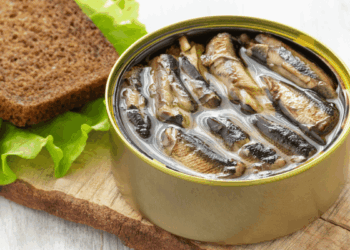
In 2025, Spain exported more than 244,000 tonnes of prepared and preserved seafood, while Italy's canned tuna exports rose by 11.3%. Two industries with different structures are strengthening their presence in international markets.
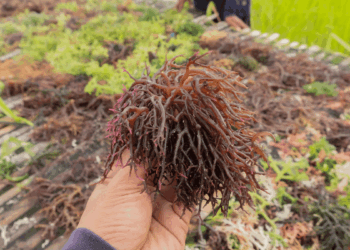
From the Adriatic to Liguria, projects launched in 2026 are bringing seaweed cultivation, shellfish farming and new industrial applications closer together. The challenge is to turn trials into production that can consistently meet market needs.
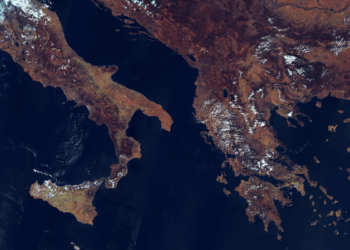
Twenty-five years of satellite observations show less chlorophyll in surface waters and a shift towards smaller phytoplankton. The findings do not predict catches, but concern the biological foundation of the marine food web.

Friend of the Sea updates seafood labels and introduces a FOS ID. What the new anti-greenwashing rules mean for certification and environmental claims.

From GSA 16 to the phase expected from 2027, management plans remain central to regulating fishing effort and catches while balancing stock sustainability with the economic viability of Mediterranean fishing fleets.
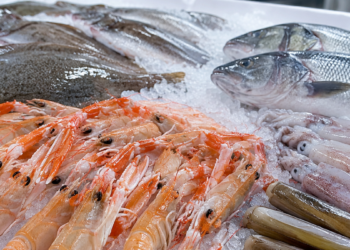
A new European Commission study on seafood consumption points to a market where fish is being purchased less frequently, while convenience, portioned formats and easier-to-prepare products are gaining ground. It is a shift in consumer behaviour that is already influencing the way processors, distributors and...







Pesceinrete è la testata giornalistica unica in Italia ad occuparsi di pesca commerciale ed acquacoltura. In quanto canale tematico e dai contenuti specializzati, si rivolge direttamente agli operatori della filiera con una comunicazione targettizzata che risponde alle esigenze del settore.

