Overseas


10 Expensive and Exquisite Fish (Part 1) – The health benefits of eating fish are well known, largely thanks to its high content of healthy omega-3 fatty acids. But for those looking to enjoy a truly luxury seafood dinner, canned fillets are rarely enough. High-end cuisine calls for products that stand out for flavour, texture and rarity.
Spoiler: the most expensive fish in the world is bluefin tuna, especially specimens caught off the coast of Japan. A single bluefin tuna can sell for over €2.5 million at auction. Behind those record prices lies a fast-growing industry: we explored it in our report on Italy’s bluefin tuna farming and its transparency challenges.
Why are some fish so expensive?
Common tuna, mackerel or similar species can be found on the market for just a few euros per pack. However, anyone seeking a more refined culinary experience must be prepared to pay significantly more.
So, what makes certain fish so costly?
Generally, three main factors determine the price of edible fish:
-
Rarity and availability
-
Strong market demand
-
Legal restrictions
Rarity and availability
Rare fish are often the most expensive, as consumers are willing to pay a premium for something few people can enjoy. When rarity is combined with outstanding flavour, prices rise even further. That said, scarcity alone is not enough: without demand, even rare fish remain commercially marginal.
Strong market demand
The better a product tastes, the more people want to try it.
The most expensive fish species offer unique flavours and textures, making them true culinary delicacies. Unlike breaded cod fillets, these fish are often served lightly cooked or completely raw, allowing diners to experience their essence in the purest form.
Legal restrictions
For better or worse, some of the world’s most expensive fish are endangered or close to it.
Strict regulations, fishing quotas and, in some cases, total bans reduce supply and inevitably increase value, making certain species even more desirable on the market.
The most expensive and prized fish on the market – Part 1
10. Sockeye Salmon (Red Salmon)

Salmon in general is among the most expensive fish species worldwide, although some varieties are more affordable than others. Sockeye salmon sits at the lower end of the premium range, despite its highly prized, flavourful flesh.
It is easily recognisable by its bright red colouring and is often smoked to enhance its naturally intense taste. Wild-caught sockeye can reach prices of around €50 per kg. While not the most expensive salmon available, it is certainly costlier than common species such as mackerel or cod.
Why is it expensive?
Wild sockeye salmon tend to be larger, making them easier to process and portion. High demand, combined with transport and handling costs, keeps prices relatively high, even though farmed alternatives exist.
9. Dover Sole

Dover sole is very different from Mediterranean sole. It grows much larger due to colder water temperatures and has a flat, brown body. Its flavour is delicate and slightly sweet, often compared to chicken.
This is unusual for a saltwater fish and makes Dover sole an excellent choice for consumers who enjoy fish for its nutritional benefits but prefer a milder taste. Fresh Dover sole can cost around €60 per kg, placing it well above many other edible fish species.
Why is it expensive?
Its refined flavour and ease of preparation make Dover sole highly desirable among both professional chefs and home cooks. Its delicate taste appeals to diners who value subtlety over strong marine flavours, driving steady demand.
8. Halibut
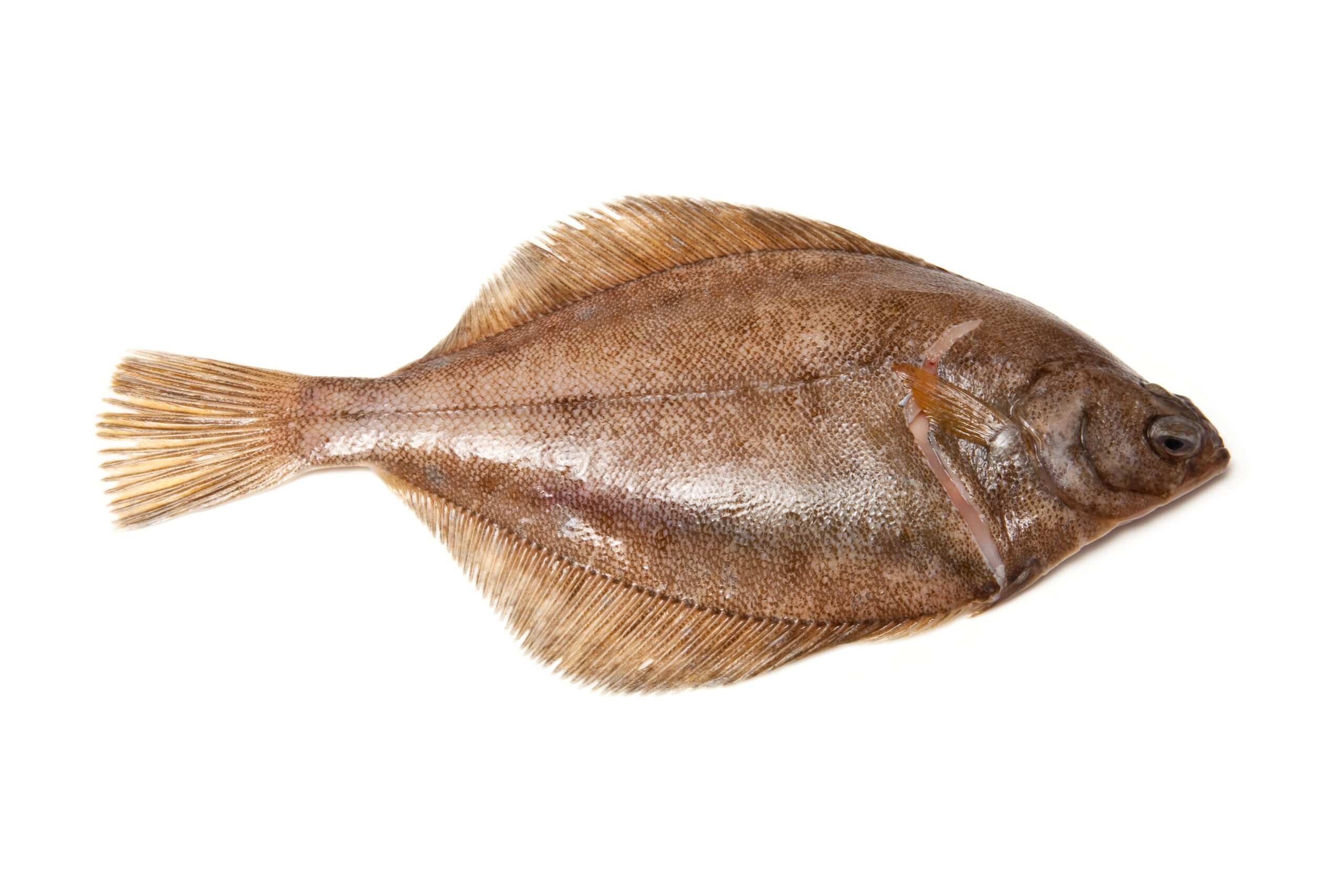
Halibut is a flatfish that can grow to remarkable sizes. Pacific halibut, for example, can weigh over 180 kg. It is known for its low fat content and naturally sweet flavour, with firm fillets that are also suitable for gourmet fish burgers.
Wild halibut stocks have declined significantly, making the species increasingly rare and expensive. Prices commonly reach around €60 per kg (fresh).
Why is it expensive?
Halibut has become extremely popular worldwide. Strong demand, combined with declining wild populations, has pushed prices higher and limited availability.
7. Chinook Salmon (Red King Salmon)

Unlike sockeye salmon, Chinook salmon has pale, whitish flesh with light red marbling along the belly. It can grow very large, making it ideal for slicing and portioning.
Native to the Pacific Ocean, Chinook salmon is prized for its buttery flavour and tender texture. Its popularity, however, has made it endangered in some areas and rare in others. Wild Chinook salmon typically costs at least €70 per kg.
Why is it expensive?
Overfishing has significantly reduced wild stocks. Its rarity, combined with superior taste, makes Chinook salmon more expensive than other anadromous fish species.
6. Yellowfin Tuna (Ahi)
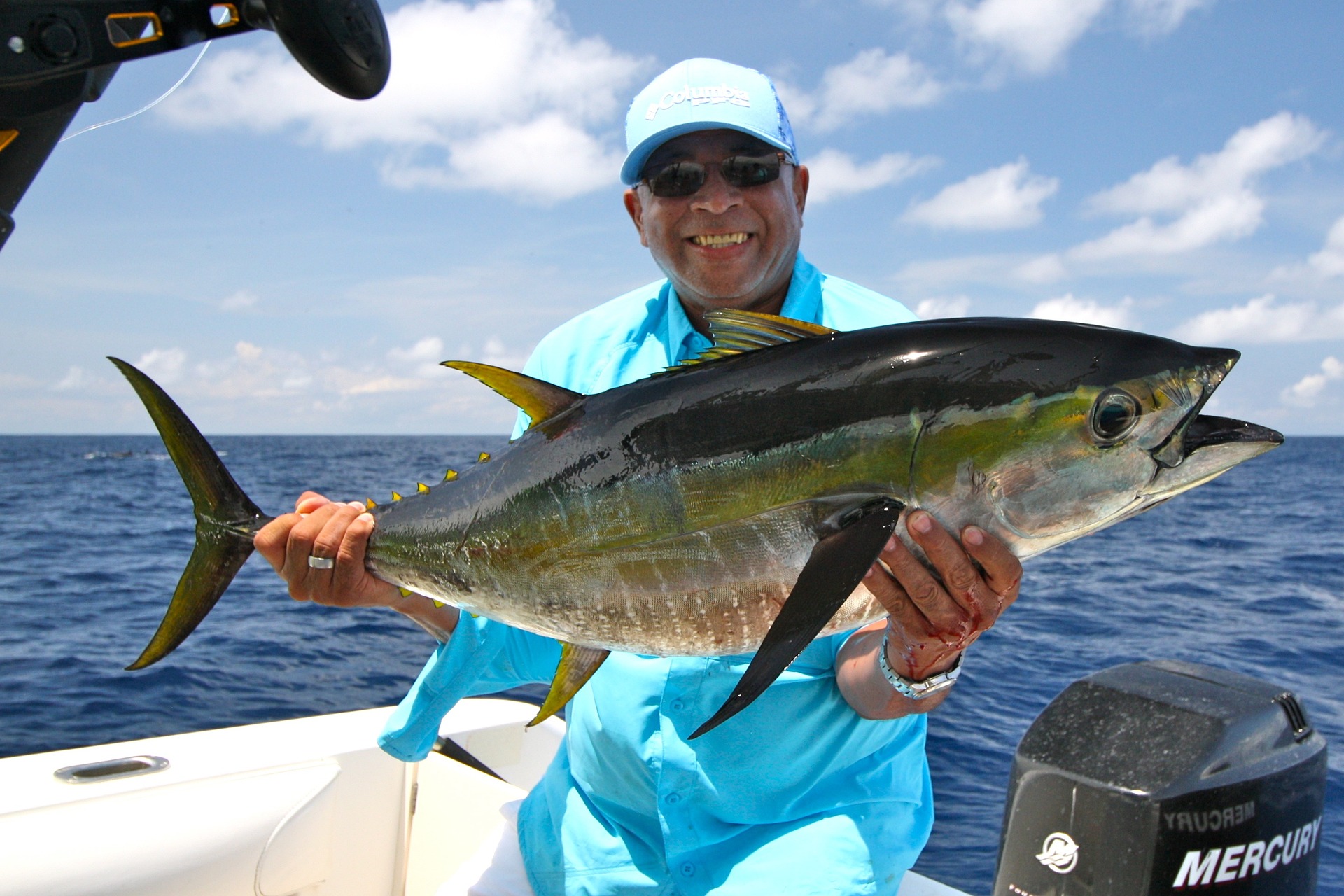
Yellowfin tuna, also known as ahi tuna, are striking fish with shimmering silver bellies. Native to tropical waters, particularly around Hawaii, they can grow to impressive sizes, often reaching up to 180 kg.
Highly valued for sushi and sashimi, yellowfin tuna offers a delicate flavour and excellent yield. Prices typically start at around €60 per kg, but can be significantly higher in regions far from tropical fishing grounds.
Why is it expensive?
Its large size, culinary versatility and strong global demand all contribute to higher prices. In addition, transport costs can greatly affect final market value in non-tropical countries.
This list is not intended as a strict ranking. The selection continues in Part 2 of our round-up of expensive and exquisite fish.