



2026 is shaping up as a year of structural transition for the global seafood industry. This is not simply an evolution in consumer habits, but a deeper shift involving economic models, demographics, technology and the perceived value of food. Insights emerging from the January annual conference of the Norwegian Seafood Council depict a sector increasingly required to rethink its role across the value chain, from production to engagement with the end consumer.
The combination of technological progress, new lifestyles and redefined spending priorities is accelerating a transformation already underway. Attention is no longer focused exclusively on the product itself, but on its function: nutritional, social and cultural. In this context, the seafood sector occupies a strategic position, provided it is able to correctly interpret and respond to market signals.
From the Experience Economy to the Transformation Economy
One of the key concepts highlighted during the conference is the so-called “transformation economy”, a stage that goes beyond the experience economy. According to the analysis presented by Louise Byg Kongsholm, CEO of the trend institute Pej Gruppen, consumers are redefining the very concept of luxury. Better sleep, more conscious eating, stress reduction and mental balance are becoming priority goals, worthy of sustained investment of both time and resources.
This paradigm shift has direct implications for the seafood sector. Fish naturally aligns with the growing demand for high-nutritional-value foods, rich in quality protein, omega-3 fatty acids, vitamins and easily absorbable minerals. As consumers increasingly seek practical, everyday solutions to improve well-being, seafood products can be positioned not as an alternative, but as a benchmark.
Scientific evidence further reinforces this direction. Studies on the so-called Blue Zones, conducted by Dan Buettner in collaboration with National Geographic, show that populations with the highest life expectancy share dietary patterns based on fish, plant-based foods, daily physical activity and low stress levels. This body of knowledge offers the seafood sector a credible opportunity to position itself within the broader conversation on longevity.
Technology, Data and Artificial Intelligence Along the Value Chain
At the same time, technology continues to reshape how the seafood value chain operates. The growing use of digital tools and artificial intelligence-based solutions enables more efficient resource management, improved demand forecasting and greater transparency toward the market. Companies that can strategically leverage available data will gain a significant competitive advantage, particularly in an environment characterized by rapidly evolving sales channels.
Digital transformation extends beyond production and logistics, influencing how products are communicated, distributed and perceived. As a result, the boundary between the food industry and digital platforms is becoming increasingly blurred.
Asia as a Catalyst for Global Demand
If one geographic area is set to dictate the pace of the global seafood market in 2026, it is Asia. Urbanization, the expansion of the middle class and rising disposable incomes are driving demand toward fresh, healthy and easily accessible products, with seafood playing a central role.
In South Korea, Norway enters 2026 with a dominant market share in salmon and mackerel. This is significant not only in terms of volume, but also consumption patterns. E-commerce now represents a substantial share of fresh seafood sales, with home delivery perceived as a marker of quality and reliability. In a society characterized by a high number of single-person households, demand for smaller portions, convenience and healthy solutions finds a natural match in seafood products.
China also shows signs of structural consolidation. The value of Norwegian seafood exports has grown significantly in recent years, despite relatively stable volumes. Salmon remains the main growth driver, supported by the expansion of the middle class, wider distribution in second- and third-tier cities, and the spread of ready-to-eat formats. The gradual shift toward at-home consumption and the overtaking of offline retail by online sales outline a market still in an early phase, but with considerable growth potential.
Social Commerce, Live Streaming and New Trust Dynamics
Another defining feature of the Asian market is the integration of food consumption with digital platforms. The purchasing journey increasingly begins on social media and is completed through real-time commerce. Live streaming, in particular, has emerged as a structured sales channel capable of generating significant volumes in extremely short timeframes.
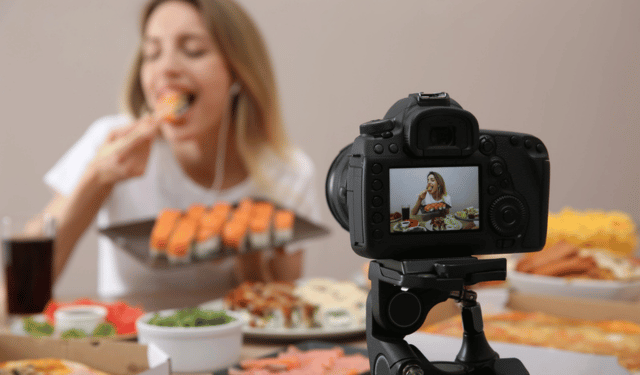
Phenomena such as mukbang in South Korea or live-commerce sessions on platforms like TikTok in China illustrate how transparency, entertainment and direct interaction help build trust around food products. In this environment, food aesthetics and visual storytelling become fully fledged commercial levers, directly influencing the purchasing behavior of younger generations.
A Sector Required to Adapt
Taken together, these dynamics outline a scenario in which the seafood sector is required to rethink its positioning. 2026 will not simply be a year of volume growth or contraction, but a real test of companies’ ability to adapt to a more conscious, digital and value-driven demand. Those capable of correctly interpreting this shift will have the opportunity to strengthen their presence in global markets, turning challenges into drivers of development.
For more insights on the future of Italian and European fisheries and the blue economy, follow ongoing coverage and analysis on Pesceinrete.