


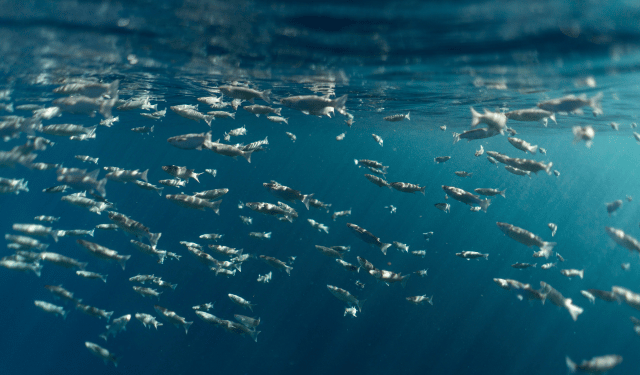

Bottarga and grey mullet are closely linked to one of the most recognizable products in Mediterranean seafood culture. Bottarga belongs to tradition, coastal communities, the work of fishing fleets and a body of production knowledge that has generated both gastronomic and economic value over time. Behind this identity-rich product, however, there is also a species that is once again attracting scientific attention: the flathead grey mullet, Mugil cephalus.
Fondazione IMC – International Marine Centre and FAO have announced the publication of a new technical manual dedicated to hatchery, nursery and grow-out techniques for grey mullet. This is not merely a specialist publication. It is a document that brings together more than ten years of research on reproductive physiology, nutrition and production technologies applied to sustainable aquaculture.
The topic is relevant because grey mullet is a species of significant socio-economic value, also due to its link with bottarga production. At the same time, it is considered an interesting candidate for lower-impact production models, with potential that has not yet been fully developed within Mediterranean aquaculture.
The manual gathers validated knowledge and methodologies covering the entire production cycle: from broodstock management to captive reproduction, from larval rearing to juvenile production and the grow-out phase. This is one of the most important aspects for the seafood supply chain. The availability of clearer technical protocols can help make seed production more reliable, which is an essential condition for building solid and programmable aquaculture pathways.
For the seafood sector, this development deserves close attention. Bottarga remains a product deeply rooted in tradition, but scientific work on grey mullet opens up a different perspective: a supply chain capable of combining historical production culture with more advanced technical tools, useful for improving farming practices and supporting new opportunities for companies, research centres and specialized operators.
It is important, however, to maintain the right balance. The publication of the manual does not mean that grey mullet farming for bottarga production is already a consolidated practice on a commercial scale. The value of the document lies instead in making available technical protocols and scientific knowledge that may, in the future, support more reliable and better-structured production. This is therefore a concrete perspective, not a result already fully transferred to industrial scale.
The publication is also valuable because of the collaboration between leading scientific institutions. Fondazione IMC highlights the contribution of partners such as IRTA and FAO, placing the work within the broader framework of Blue Transformation and international guidelines for sustainable aquaculture. This is a significant step, as it confirms that the growth of aquaculture cannot be separated from applied research, scientific validation and the transfer of knowledge to the productive system.
The case of grey mullet for bottarga is particularly interesting because it brings together three key elements for the future of the sector: a Mediterranean species, a high-value commercial product and a perspective of sustainable development. This is not only a technical matter. It shows how certain supply chains can evolve without losing their connection with food identity and local heritage.
The publication of the FAO manual does not close a process; it opens one. It offers a working basis for researchers, hatcheries, aquaculture companies and operators interested in production diversification. At a time when aquaculture is expected to grow in a credible, efficient and sustainable way, grey mullet for bottarga shows how research can help transform a traditional product into a new opportunity for the Mediterranean seafood supply chain.