


From sushi restaurants to home cooking, Norwegian salmon has become firmly established in the eating habits of millions of consumers. Its international success also tells the story of Norwegian aquaculture, which over more than fifty years has transformed research, technology and knowledge of the sea into a production system capable of meeting growing global demand.
Norway today accounts for more than half of the world’s farmed Atlantic salmon production and remains one of the main international reference points for aquaculture. This position has been built over decades through specialised expertise and continued investment aimed at making farming more controlled and efficient while addressing environmental and fish-welfare challenges.


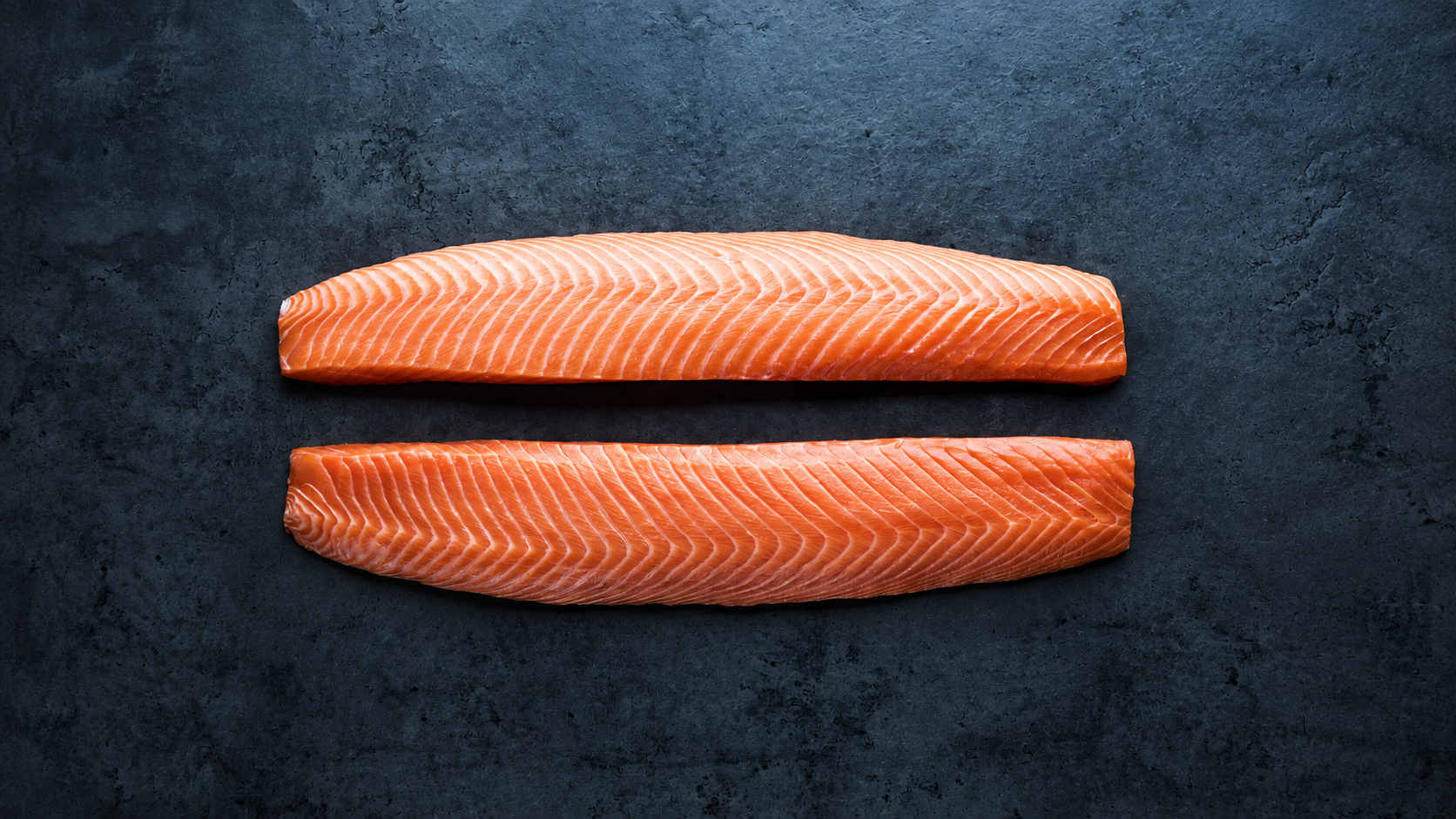
A production model built on research and control
The growing importance of aquaculture extends well beyond salmon. According to the latest FAO assessment, aquaculture production of aquatic animals exceeded 100 million tonnes for the first time in 2024 and now accounts for 53% of global aquatic animal production.
Aquaculture looking to the future
Norwegian aquaculture is testing and adopting new production solutions ranging from land-based recirculating aquaculture systems to offshore facilities and submersible farming technologies.
The objective is not simply to increase production capacity. New technologies make it possible to monitor farming conditions more precisely, collecting information on feeding, growth, fish health and the surrounding environment.
Greater availability of data allows producers to intervene more accurately in production processes, improve resource efficiency and progressively refine farming practices.
From fish health to product safety
The same focus on control applies to fish health. Prevention has become a central element of Norwegian salmon farming, supported by vaccination programmes, veterinary monitoring and disease-management strategies designed to reduce the need for antibiotics.
According to the Norwegian Seafood Council, 99% of Norwegian farmed salmon grew without the use of antibiotics in 2024.
Control continues beyond the farm. Monitoring and traceability systems accompany salmon through the supply chain, allowing its origin and production path to be documented through processing and distribution. This is increasingly important in a market where both consumers and seafood professionals demand greater transparency about the products they buy.
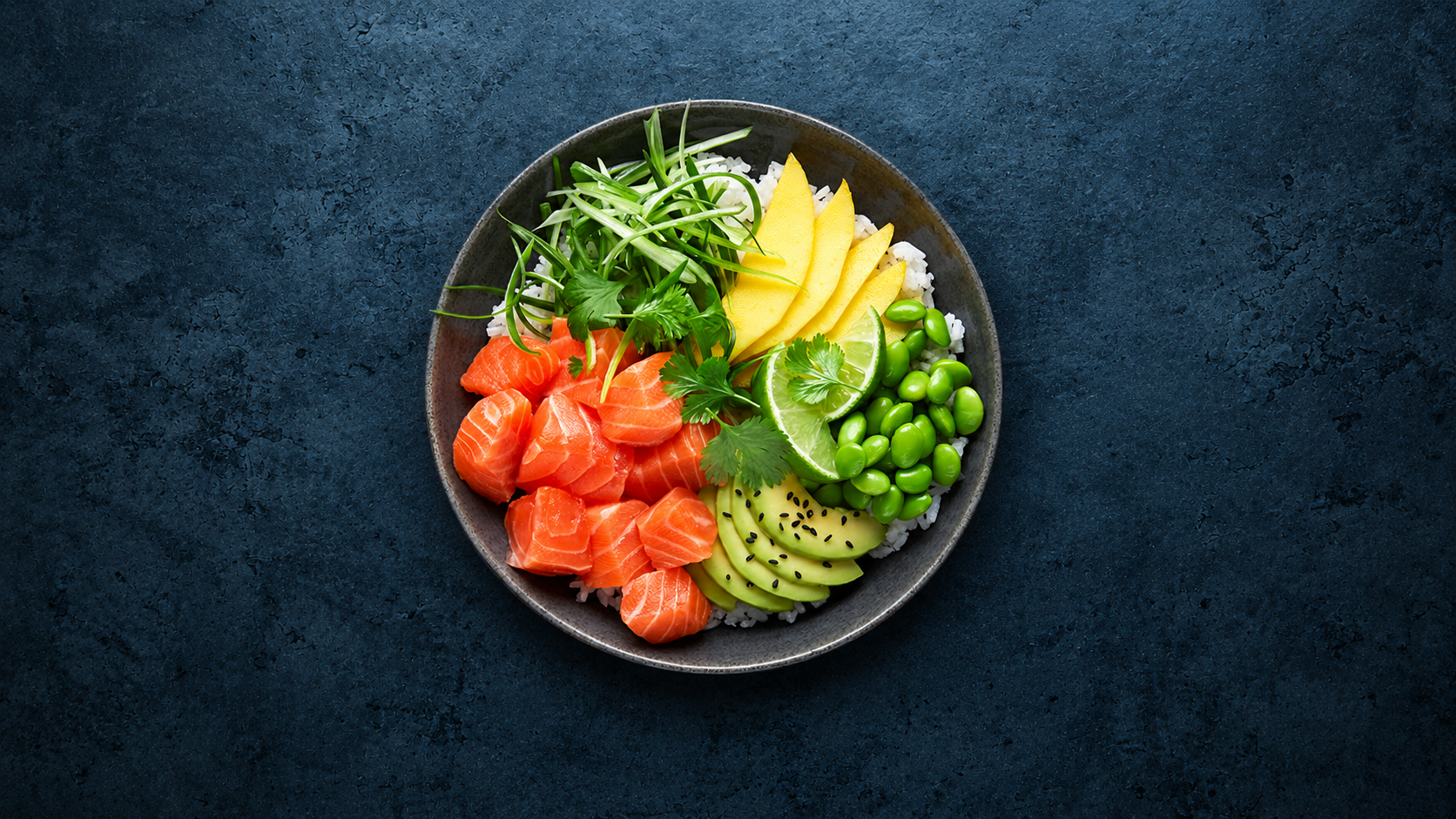
A product aligned with changing consumption habits
Nutrition is another factor behind salmon’s international popularity. Salmon is naturally rich in high-quality protein and provides vitamins including A, D and B12, together with minerals such as selenium and iodine and important omega-3 fatty acids.
But nutritional value alone does not explain its commercial success.
From sushi to Mediterranean cuisine
One of salmon’s greatest strengths is its ability to fit into very different culinary cultures. It is equally at home in Nordic, Mediterranean and Asian cuisine and can be served raw, smoked, grilled, baked or incorporated into ready-to-eat preparations.
Sushi, sashimi and poke have helped create completely new consumption occasions, while retail formats and home cooking have expanded salmon’s presence beyond restaurants.
Italy provides a particularly significant example. The country is currently the sixth-largest market in the world for Atlantic salmon consumption and the third-largest for Norwegian salmon. In 2025, salmon consumption increased by 6%, while orders in the out-of-home channel rose by 15.6%.
Sushi is a major driver of this trend, accounting for 69% of salmon consumption in the Italian foodservice channel.
The figures confirm a broader transformation already visible in the Italian seafood market. As explored in Pesceinrete’s analysis of Norwegian seafood and its growing position in Italy, salmon is no longer associated with a single consumption occasion or distribution channel.
It has become a cross-channel product capable of moving between retail, foodservice, ready-to-eat formats and increasingly diversified eating habits.
This evolution also highlights a wider trend for seafood businesses and buyers: origin, traceability, processing formats and the ability to respond to new consumption patterns are becoming increasingly important competitive factors. Companies and seafood products operating across these markets can also be explored through the Ittico Buyer Guide (IGB), Pesceinrete’s B2B digital hub connecting buyers with the seafood supply chain.