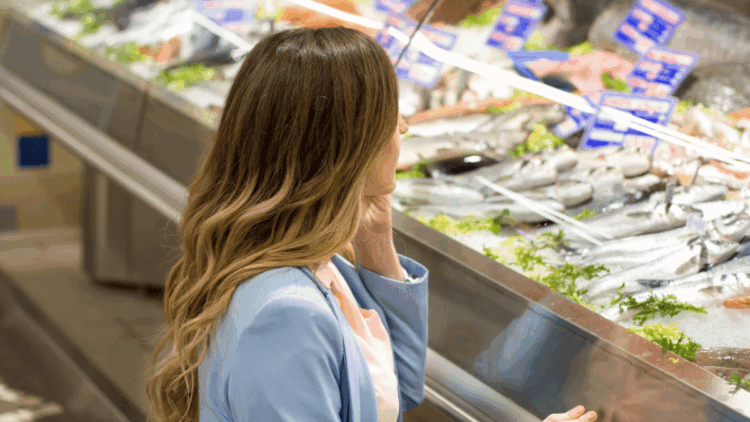
In January 2026, Italian households bought 2% less fresh seafood than in January 2025 but spent 3% more. Knowing a wider range of fish species gives shoppers more options and helps them find the best balance of price, quality and intended use on any given day.

In January 2026, Italian households purchased 17,035 tonnes of fresh seafood, compared with 17,385 tonnes in the same month of 2025. Spending, however, increased from €238.3 million to €245.5 million, according to EUMOFA data.
Less fish purchased, more money spent.
This is one of the clearest signals from the market: keeping seafood spending under control becomes harder when shoppers continue to focus on the same familiar species. The figures are reported in EUMOFA’s Monthly Highlights.
The simplest response might be to look for a special offer on sea bream, European seabass, salmon or whatever fish we usually buy.
But there is another, more useful option: learn to choose from a wider range of species.
Atlantic mackerel, sardines, European anchovies, Mediterranean horse mackerel, grey mullet, bogue and blue whiting occupy very different positions in the seafood market. Some are household names; others are much less familiar. Some have oily flesh, while others are exceptionally lean. Their edible yield, typical size and culinary uses also vary.
They do, however, have something in common: each can become a good-value alternative when availability, quality and the price of the day make it attractive.
That is why “affordable” should not be understood as a fixed price permanently attached to a particular species. Seafood markets do not work that way.
Value goes beyond the price per kilo
Supply, seasonality, landed volumes, origin, fish size and demand constantly influence prices.
Anchovies can be excellent value during a period of abundant supply and considerably less so at another time. The same is true of sardines, mackerel and many other species.
Demand shapes market value
Markets assign different values to seafood species partly according to how well consumers know them and how often they ask for them. Research published in 2025 on the Italian market examined neglected or underutilised fish species: species present in catches whose availability does not translate fully into commercial value. Bogue was among the species considered.
The distinction matters: commercial value is not a ranking of a fish’s quality.
A species may attract less attention because shoppers are unfamiliar with it, do not know how to prepare it, seldom find it ready to cook or simply arrive at the counter already knowing what they intend to buy.
The gap between supply and demand can create opportunities for better value.
Bogue and horse mackerel provide useful examples. Research on these species has found that market interest can be modest compared with their nutritional characteristics. This does not mean that every bogue or horse mackerel is automatically a bargain. It means something more useful: price and quality do not always move together.
The opportunity to bring more Mediterranean species into the shopping basket also depends on making them recognisable, easy to understand and straightforward to cook.
Edible yield changes the calculation
The second consideration is even more practical.
A kilo of whole fish does not necessarily mean a kilo of fish on the plate.
Italy’s CREA food composition tables indicate an edible portion of 80% for Atlantic mackerel, 75% for sardines and anchovies, 65% for blue whiting and 55% for Mediterranean horse mackerel and flathead grey mullet. These are reference averages: the size of the fish, cleaning and processing can all affect the actual yield.
Even so, the principle changes how we should read the price tag.
At a theoretical edible yield of 55%, a fish bought for €8 per kilo effectively costs around €14.50 per kilo of edible flesh. A different fish priced at €10 per kilo but yielding 80% works out at €12.50 per edible kilo. This calculation excludes cooking losses, preparation costs and any use made of trimmings or by-products, but it shows why the price on the label tells only part of the value story.
Cooking is another part of the equation. A low-priced fish that we do not know how to prepare may be a poor purchase. A slightly more expensive species that is easy to cook and offers a better yield can provide greater value.
True value therefore comes from the combination of price, edible yield and intended use.
Seven fish worth considering at the seafood counter
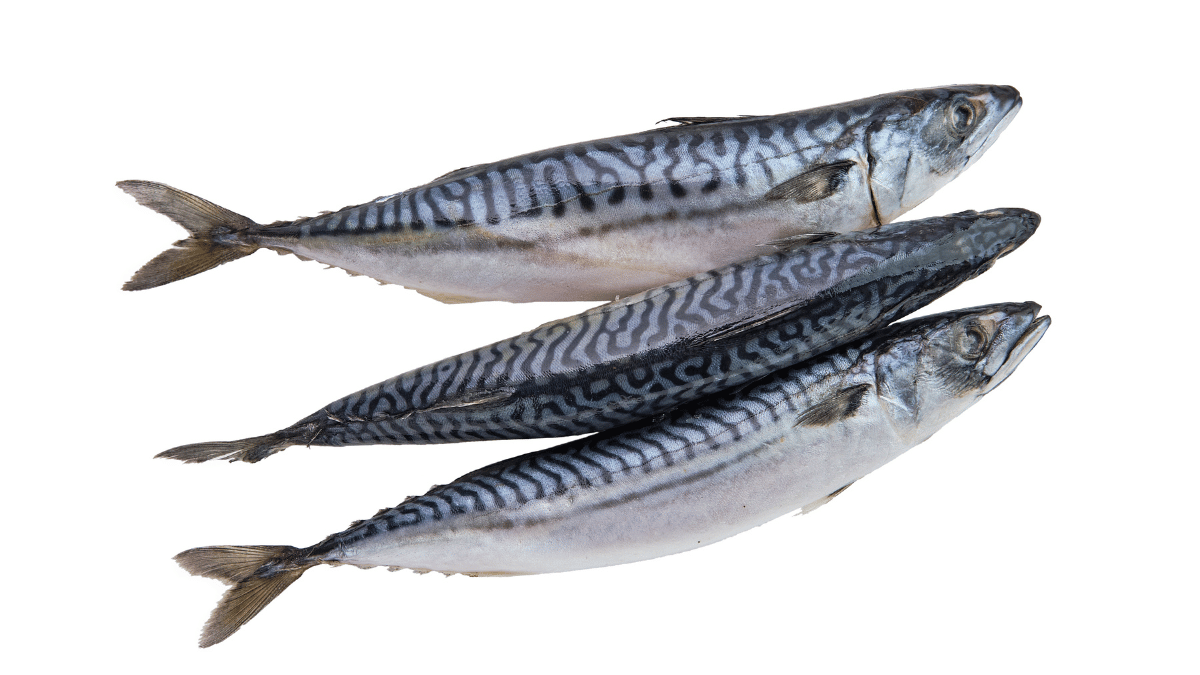
1. Atlantic mackerel — Scomber scombrus
What it is. A pelagic fish belonging to the Scombridae family, also found in the Mediterranean. Its official Italian commercial name is sgombro.
Nutritional profile. CREA lists 17 g of protein and 11.1 g of fat per 100 g of edible portion. The indicative edible yield is 80%, the highest among the fish in this selection for which a reference figure is available.
Why it may be good value. It combines a high edible yield with a distinctive flavour and can be cooked whole without complicated preparation. When the price is favourable, the cost of the portion actually eaten makes it particularly interesting compared with more expensive fish.
In the kitchen. Baking, grilling or pan-frying are enough to make the most of its flesh. Its pronounced flavour suits simple preparations.
At the counter. Consider price, origin, size and freshness together. Its relatively high yield can make the value behind the price tag better than it first appears.
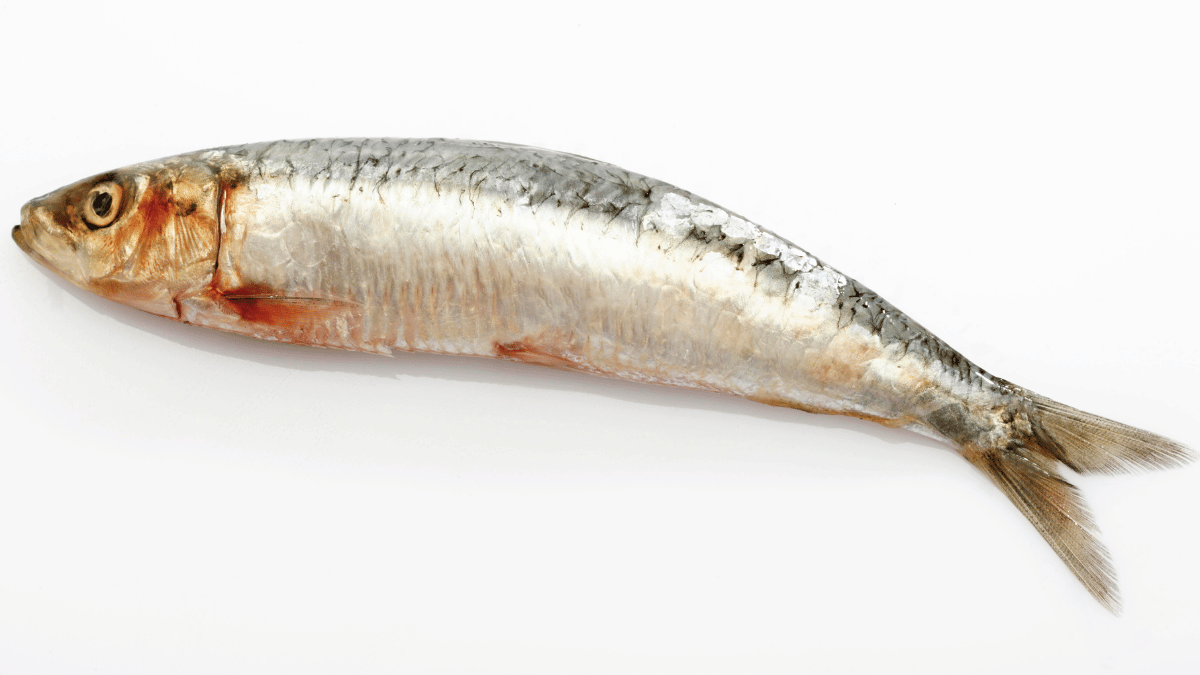
2. European sardine — Sardina pilchardus
What it is. A small pelagic fish of the Clupeidae family, found in the Mediterranean and eastern Atlantic. Sardines have long been part of coastal food traditions across Europe. The Italian commercial name is sardina.
Nutritional profile. CREA records 20.3 g of protein and 15.4 g of fat per 100 g of edible portion, with an indicative edible yield of 75%.
Why it may be good value. Sardines do not need to be rediscovered; they need to be assessed at the right time. Availability and seasonality can have a substantial impact on their price.
In the kitchen. Grilling, baking, cooking with a breadcrumb topping and numerous regional recipes allow for quick, uncomplicated meals.
At the counter. Evaluate the actual fish available that day. When freshness, size and supply align, sardines can deliver strong value without the need to trade up to a more expensive species.
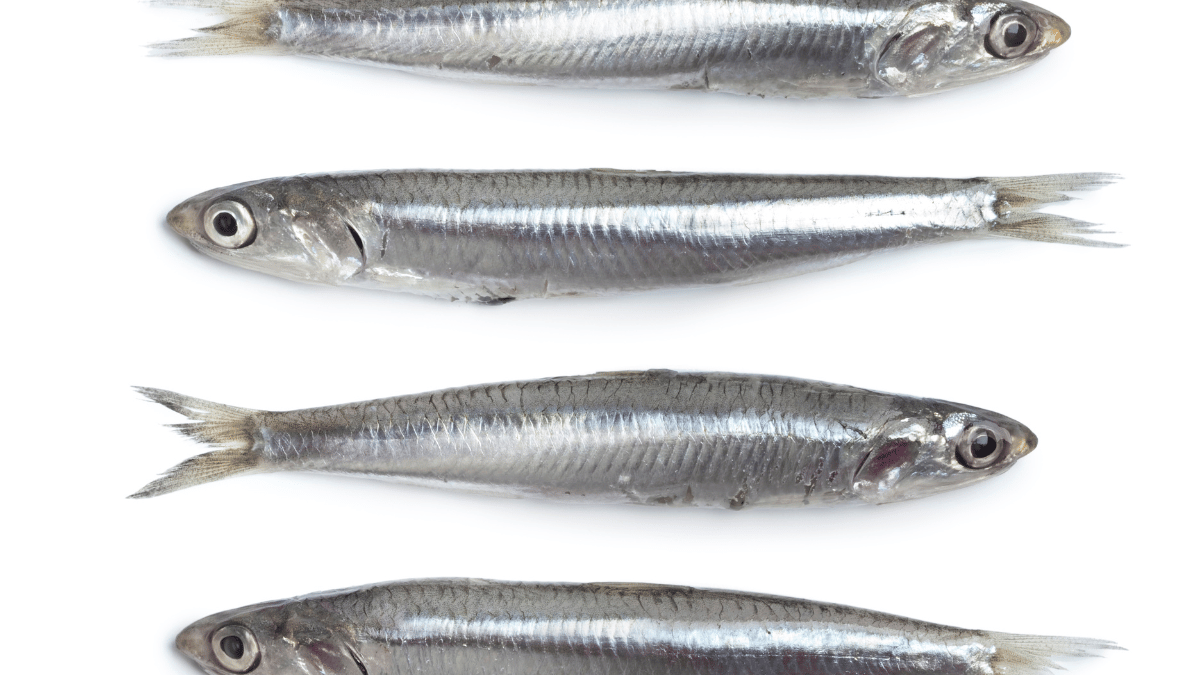
3. European anchovy — Engraulis encrasicolus
What it is. Known in Italy as both alice and acciuga, this small pelagic fish belongs to the Engraulidae family. Both Italian names refer to the same species, Engraulis encrasicolus.
Nutritional profile. CREA reports 16.8 g of protein and 2.6 g of fat per 100 g, with a reference edible portion of 75%.
Why it may be good value. Anchovies are versatile and cook quickly. However, market supply can cause prices to change considerably. They are best seen as an opportunity when the day’s offer is attractive rather than as an inexpensive fish by definition.
In the kitchen. They work well baked, pan-fried, with a breadcrumb topping, in sauces and in many traditional recipes.
At the counter. Freshness and the current price are decisive. Their small size offers culinary flexibility, but the time needed to clean them should also be factored into the value calculation.
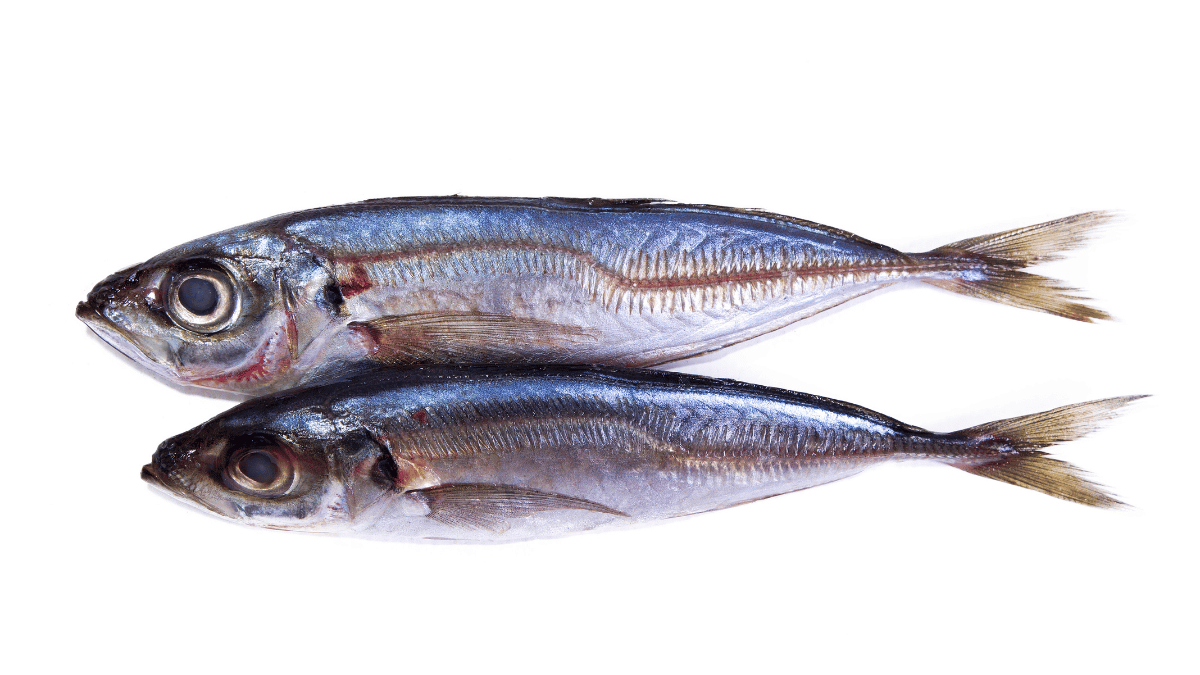
4. Mediterranean horse mackerel — Trachurus mediterraneus
What it is. Horse mackerel belongs to the Carangidae family. The nutritional values given here refer specifically to Trachurus mediterraneus, the species listed by CREA under the Italian name suro o sugarello. In Italy, sugarello may also be used commercially for other species of the genus Trachurus, so checking the scientific name on the label helps establish exactly which fish is being sold.
Nutritional profile. CREA lists 18.3 g of protein and 3 g of fat per 100 g, with an indicative edible portion of 55%.
Why it may be good value. It illustrates how product characteristics and market recognition can diverge. Where demand is weaker, the species may offer an attractive relationship between price and quality.
In the kitchen. Baking, grilling and stewing all suit its flesh. Fish size helps determine whether buying it whole or prepared is the better option.
At the counter. Check the scientific name, origin and size. A low price is meaningful only when considered alongside the edible yield.
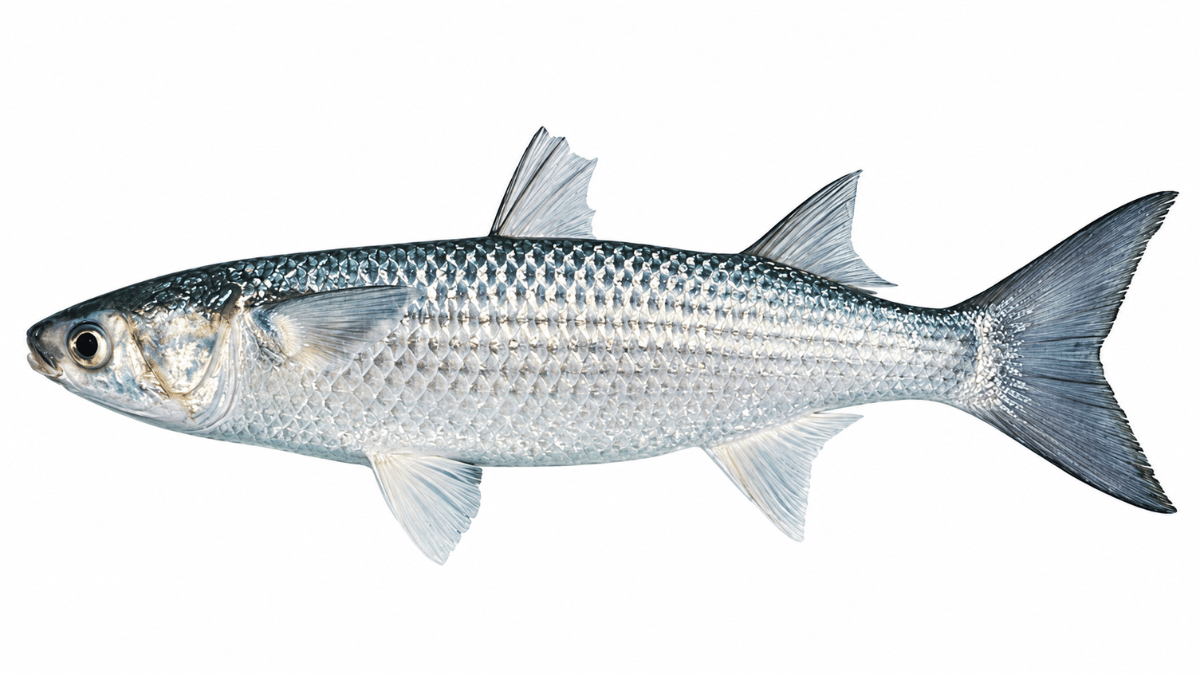
5. Flathead grey mullet — Mugil cephalus
What it is. A member of the Mugilidae family, found in marine and brackish waters. In Italy, Mugil cephalus may be sold under the commercial names cefalo, muggine or volpina.
Nutritional profile. CREA indicates 15.8 g of protein and 6.8 g of fat per 100 g, with a reference edible portion of 55%.
Why it may be good value. Consumer perception plays a major role. In Italy, the name cefalo can be judged before the individual fish is assessed, even though origin, habitat, freshness and the quality of the specimen are what really matter.
In the kitchen. Baking, grilling and stewing can bring out its qualities without elaborate techniques.
At the counter. Origin deserves particular attention. Its relatively modest edible yield also makes it important to compare the price with the dish you intend to prepare.
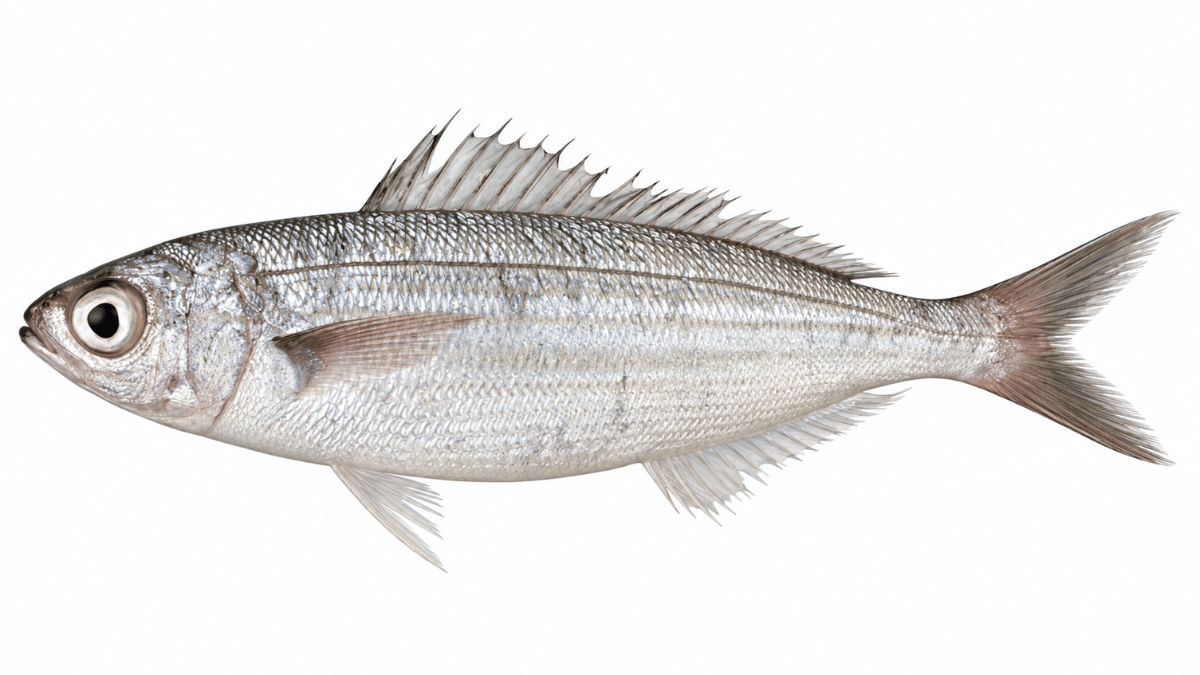
6. Bogue — Boops boops
What it is. A member of the Sparidae family, widespread in the Mediterranean and eastern Atlantic. Its official Italian commercial name is boga.
Nutritional profile. CREA lists 18.3 g of protein and just 1.2 g of fat per 100 g. It does not provide a standard edible-yield percentage for this entry.
Why it may be good value. Bogue is perhaps the clearest example of the difference between commercial value and the characteristics of a fish. It appears among neglected or underutilised species examined in research on the Italian market, while earlier studies have highlighted its protein content despite relatively limited consumer interest.
In the kitchen. It can be baked or grilled whole. Smaller fish call for recipes suited to their size and the amount of preparation involved.
At the counter. Size is central to the value calculation. A very low price may become less compelling if preparing the fish requires substantial work for a relatively small edible portion.
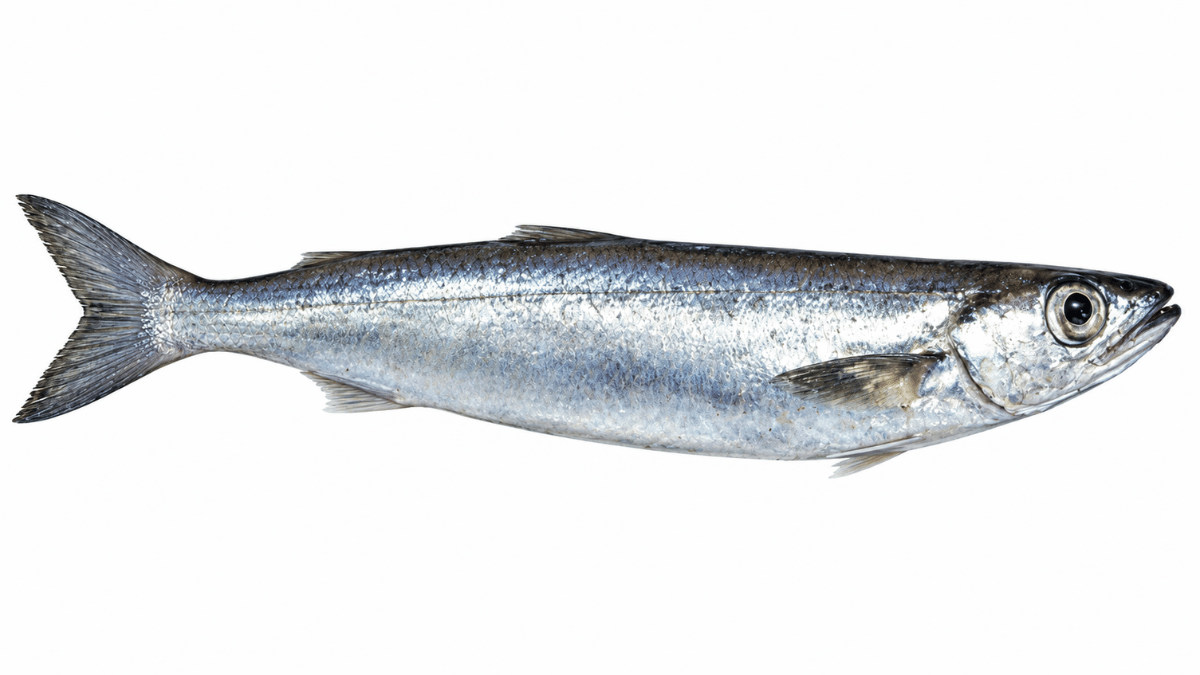
7. Blue whiting — Micromesistius poutassou
What it is. A fish of the Gadidae family, commercially known in Italy as melù or potassolo. Its currently accepted scientific name is Micromesistius poutassou; CREA tables still use the historical synonym Gadus poutassou.
Nutritional profile. It is the leanest of the seven species. CREA indicates 17.4 g of protein and 0.3 g of fat per 100 g, with a reference edible portion of 65%.
Why it may be good value. Blue whiting can be an alternative for people seeking delicate white fish who usually turn to better-known species used in similar dishes.
In the kitchen. Pan-frying, baking and soups all allow for simple preparations. Its delicate flesh mainly calls for careful cooking times.
At the counter. Compare price, freshness and size with other lean white fish on offer. That comparison is what can turn an overlooked species into a worthwhile purchase.
These seven species should not become another rigid shopping list.
The advantage lies in having more alternatives.
At the seafood counter, three questions are more useful than any fixed ranking of the cheapest fish: Is it good value today? How much of it will I actually use? Do I know how to cook it?
Sustainability is a separate consideration. The condition of the stock, origin, fishing or production method and resource management require specific information. Price tells us something about the market, but not, on its own, about environmental impact.
The EUMOFA figures for January 2026 show why familiarity with a broader range of fish has become an economic issue as well: Italian households bought 2% less fresh seafood but spent 3% more.
Spending wisely, therefore, is not simply a matter of finding the fish with the lowest price tag.
It means recognising which product, at that moment, offers the best value for what it costs.
And quite often, the best option is sitting beside the species we always buy.