• CHI SIAMO
  • CONTATTI
  • PARTNER
  • PUBBLICITÀ
  • NEWSLETTER
  • ARCHIVIO
    • Bandi e Opportunità
    • Speciali
    • Rubriche
    • Nutrizione e salute
    • Interviste
    • Video
lunedì 20 Aprile, 2026
Pesceinrete
  • Home
  • News
  • Pesca
  • Acquacoltura
    • Acquaponica
    • Algocoltura
  • Protagonisti
    • Aziende
    • Istituzioni
      • Europee
      • Nazionali
      • Regionali
    • Associazioni di categoria
      • Associazione Mediterranea Acquacoltori
      • Legacoop Agroalimentare
      • Assoittica Italia
      • Federpesca
      • PescaAgri-CIA
      • Unci AgroAlimentare
    • Sindacati
      • UILA Pesca
    • ONG
    • Consorzi e Cooperative
      • CIRSPE
  • Tecnologia
  • Sostenibilità
  • Mercati
  • Eventi
  • OverseasNew
Nessun Risultato
Vedi tutti i Risultati
Pesceinrete
  • Home
  • News
  • Pesca
  • Acquacoltura
    • Acquaponica
    • Algocoltura
  • Protagonisti
    • Aziende
    • Istituzioni
      • Europee
      • Nazionali
      • Regionali
    • Associazioni di categoria
      • Associazione Mediterranea Acquacoltori
      • Legacoop Agroalimentare
      • Assoittica Italia
      • Federpesca
      • PescaAgri-CIA
      • Unci AgroAlimentare
    • Sindacati
      • UILA Pesca
    • ONG
    • Consorzi e Cooperative
      • CIRSPE
  • Tecnologia
  • Sostenibilità
  • Mercati
  • Eventi
  • OverseasNew
Nessun Risultato
Vedi tutti i Risultati
Pesceinrete
Nessun Risultato
Vedi tutti i Risultati

Home Overseas

Warming Mediterranean: Clear Signals from the Ligurian Sea

Fabio Fiorentino’s analysis intersects with recent studies on Mediterranean warming, which show marine communities undergoing rapid reorganization.

Alice Giacalone by Alice Giacalone
4 Settembre 2025
in Overseas
Warming Mediterranean Clear Signals from the Ligurian Sea

Warming Mediterranean Clear Signals from the Ligurian Sea

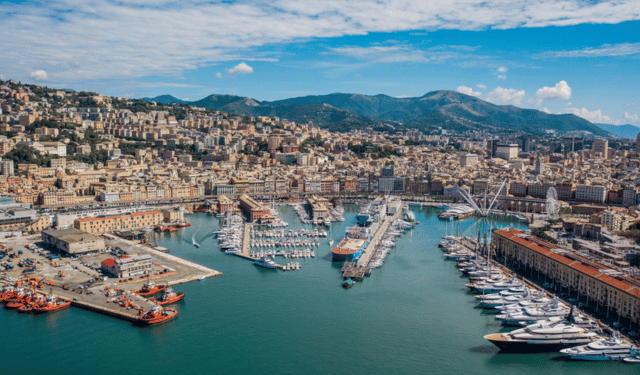
The clearest signs of a warming Mediterranean are now coming from the Ligurian Sea. In the depths, around 500 meters, the red shrimp is reappearing—a comeback that confirms how fish communities are reorganizing under thermal pressure. Speaking in an interview by Elisa Folli for Il Secolo XIX, Fabio Fiorentino, research director at IRBIM-CNR and associate at the Anton Dohrn Zoological Station, explains the trend.

Fiorentino notes that the red shrimp—long confused with the purple shrimp in commercial classifications—is returning in notable quantities. Alongside it, the white shrimp is increasing: thirty years ago it was marginal, while today it is a stable component of trawl catches. This is evidence that as deep habitats warm, they favor thermophilic species and reduce the competitiveness of those linked to colder waters.

The same dynamic is visible in pelagic populations. Sardine numbers show a marked decline, while round sardinella is filling the gap, with different implications both nutritionally and for product management. Among cephalopods, the horned octopus (historically important for Ligurian fisheries) is retreating sharply. In parallel, small octopuses (Scaeurgus unicirrhus) adapted to higher temperatures are spreading—a turnover that shifts long-standing trophic balances.

Mackerel also needs a clearer reading. Much of what reaches Italian markets comes from the Atlantic, while the “cavalla” mackerel remains the truly local species. The distinction, Fiorentino stresses, is not a detail but a substantive point, because it affects how we correctly interpret the basin’s real availability.

The most emblematic case is the boarfish. In the 1980s Ligurian trawlers landed two to three tonnes a year; today catches are down to just a few dozen kilos. This collapse expresses, better than any chart, the vulnerability of certain species once sea temperatures exceed their ecological tolerance thresholds.

Fabio Fiorentino, research director at IRBIM-CNR

These observations are consistent with the latest scientific research. According to a recent CSIC study from Barcelona, the Catalan coast has already seen cold-water species decrease and warm-affinity species increase, with direct effects on fishing profitability. Analyses published in Frontiers in Marine Science show that small pelagics in the western Mediterranean—especially sardine and anchovy—have poorer body condition in warmer, more stratified waters, reducing their resilience. In parallel, studies on the deep-water rose shrimp (Parapenaeus longirostris) confirm that temperature and depth are the main drivers of its abundance and distribution.

Against this backdrop, Fiorentino’s assessment restores to the Ligurian Sea its role as a natural laboratory. The red shrimp’s return, the rise of white shrimp, and the retreat of boarfish, horned octopus, and sardine—alongside the advance of round sardinella—are not isolated events but indicators of a basin undergoing structural change. Understanding these trajectories requires continuous monitoring, rigorous taxonomy, and a critical reading of historical time series.

The analysis will be the focus of a public event with Fiorentino at the Castiglione Chiavarese library on Friday at 5 p.m., promoted by the Pro Loco in collaboration with the Municipality.

Get the most important seafood-industry news every week.
NEWSLETTER

Tags: climate change impact on Mediterranean fisheries; Ligurian Sea species shift; red shrimp comeback; decline of sardine Mediterranean; pelagic species resilience
CondividiTweetCondividiPinInviaCondividiInvia
Articolo precedente

Nuovi scenari di cooperazione tra Italia e Senegal

Prossimo articolo

Acciuga di Sciacca, tra declino della pesca ed export globale

Alice Giacalone

Alice Giacalone

Articoli Correlati

EU maritime spatial planning and fisheries

EU maritime spatial planning and fisheries

by Alice Giacalone
17 Aprile 2026

Maritime spatial planning in the European Union is back at the center of the political agenda, with a message that...

Libya Fisheries Strategy: GFCM Visit Signals Blue Economy Shift

Libya fisheries strategy: GFCM visit signals Blue Economy shift

by Gaspare Bilardello
16 Aprile 2026

The Libya fisheries strategy GFCM visit marks a decisive step in the country’s transition toward a modern and sustainable blue...

Zwara Fishing Expo 2026: Libya’s Blue Economy Shift

Zwara Fishing Expo 2026: Libya’s Blue Economy Shift

by Gaspare Bilardello
14 Aprile 2026

In June 2026, the Zwara Fishing & Maritime Investment Expo marks a turning point in Libya’s fisheries sector, signaling a...

Trapline enters Italy’s swordfish fishery: why this trial matters

Trapline enters Italy’s swordfish fishery: why this trial matters

by Davide Ciravolo
13 Aprile 2026

There is one development that risks going largely unnoticed, yet it could carry real weight for the future of swordfish...

Prossimo articolo
acciuga di Sciacca

Acciuga di Sciacca, tra declino della pesca ed export globale

Lascia un commento Annulla risposta

Il tuo indirizzo email non sarà pubblicato. I campi obbligatori sono contrassegnati *

Questo sito utilizza Akismet per ridurre lo spam. Scopri come vengono elaborati i dati derivati dai commenti.

Categorie articoli


Newsletter

Pesceinrete

Pesceinrete è la testata giornalistica unica in Italia ad occuparsi di pesca commerciale ed acquacoltura.
In quanto canale tematico e dai contenuti specializzati, si rivolge direttamente agli operatori della filiera con una comunicazione targettizzata che risponde alle esigenze del settore.

Categorie

  • Pesca
  • Acquacoltura
  • Eventi e Fiere
  • Mercati
  • Sostenibilità
  • Tecnologia

Segui le nostre pagine social

Stock images by Depositphotos

  • Chi siamo
  • PARTNER
  • Contatti
  • Pubblicità
  • Newsletter

© 2023 INRETE S.R.L. P.Iva: 02557660814 - Pesceinrete- il quotidiano del settore ittico | Web design by Motion Head

  • Home
  • News
  • Pesca
  • Acquacoltura
  • Protagonisti
  • Tecnologia
  • Sostenibilità
  • Mercati
  • Eventi e Fiere
  • Overseas English NEW
  • Archivio
  • Chi siamo
  • Contatti
  • Partner
  • Pubblicità
  • Newsletter
Nessun Risultato
Vedi tutti i Risultati

© 2023 INRETE S.R.L. P.Iva: 02557660814 - Pesceinrete- il quotidiano del settore ittico | Web design by Motion Head