• CHI SIAMO
  • CONTATTI
  • PARTNER
  • PUBBLICITÀ
  • NEWSLETTER
  • ARCHIVIO
    • Bandi e Opportunità
    • Speciali
    • Rubriche
    • Nutrizione e salute
    • Interviste
    • Video
domenica 19 Aprile, 2026
Pesceinrete
  • Home
  • News
  • Pesca
  • Acquacoltura
    • Acquaponica
    • Algocoltura
  • Protagonisti
    • Aziende
    • Istituzioni
      • Europee
      • Nazionali
      • Regionali
    • Associazioni di categoria
      • Associazione Mediterranea Acquacoltori
      • Legacoop Agroalimentare
      • Assoittica Italia
      • Federpesca
      • PescaAgri-CIA
      • Unci AgroAlimentare
    • Sindacati
      • UILA Pesca
    • ONG
    • Consorzi e Cooperative
      • CIRSPE
  • Tecnologia
  • Sostenibilità
  • Mercati
  • Eventi
  • OverseasNew
Nessun Risultato
Vedi tutti i Risultati
Pesceinrete
  • Home
  • News
  • Pesca
  • Acquacoltura
    • Acquaponica
    • Algocoltura
  • Protagonisti
    • Aziende
    • Istituzioni
      • Europee
      • Nazionali
      • Regionali
    • Associazioni di categoria
      • Associazione Mediterranea Acquacoltori
      • Legacoop Agroalimentare
      • Assoittica Italia
      • Federpesca
      • PescaAgri-CIA
      • Unci AgroAlimentare
    • Sindacati
      • UILA Pesca
    • ONG
    • Consorzi e Cooperative
      • CIRSPE
  • Tecnologia
  • Sostenibilità
  • Mercati
  • Eventi
  • OverseasNew
Nessun Risultato
Vedi tutti i Risultati
Pesceinrete
Nessun Risultato
Vedi tutti i Risultati

Home Overseas

Libya’s Alazabi Elected GFCM Vice Chair: A Strategic Turning Point

Why Saber Alazabi’s election to the GFCM Bureau marks a decisive moment for Mediterranean fisheries governance and Euro-Libyan cooperation.

Gaspare Bilardello by Gaspare Bilardello
1 Dicembre 2025
in Overseas
Libya’s Alazabi Elected GFCM Vice Chair A Strategic Turning Point

Libya’s Alazabi Elected GFCM Vice Chair A Strategic Turning Point

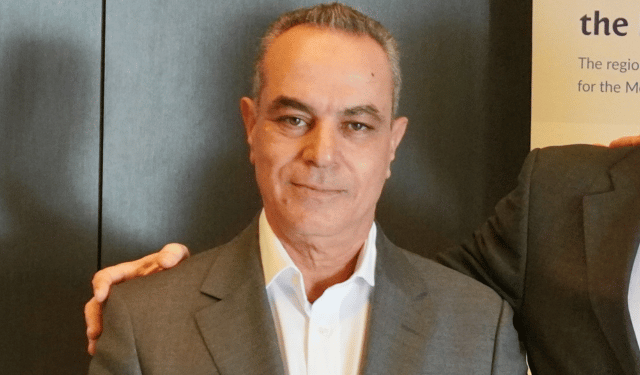
The election of Saber Alazabi—currently Deputy Minister of Fisheries of the Tripoli-based Libyan Government—as Second Vice Chair of the GFCM (General Fisheries Commission for the Mediterranean), held in Málaga during the 48th Session in early November 2025, goes far beyond diplomatic protocol. It represents a pivotal opportunity to consolidate the real signals of alignment that Libya has been showing for some time, bringing the country closer to fully adhering to international fisheries laws and procedures.

Despite internal instability, Libya has long expressed its intention to strengthen relations with European countries and comply with international standards to combat illegal, unreported and unregulated (IUU) fishing. Having a Libyan representative inside the GFCM governance structure provides the ideal platform to turn this intention into concrete action. It could accelerate the adoption of binding measures—above all, the implementation of IMO numbers for tracking large fishing vessels. Alazabi’s appointment is a strategic move to increase the country’s international credibility and demonstrate authoritative, tangible commitment.

A structured normalization of Libyan waters and active collaboration with the country is not only in Libya’s interest—it is an urgent necessity for Southern European fleets, particularly those of Italy, Malta and Greece. The traditional fishing grounds of these countries have been heavily pressured in the very recent past due to concentrated effort, leading to hyper-exploitation. This remains a crucial issue, even as the latest SoMFi 2025 report shows that years of stringent limitations are finally producing significant results: overfishing is declining, biomass is recovering, and there is renewed hope for the Mediterranean’s future.

Operating sustainably and non-predatorily within Libyan jurisdiction could provide a vital safety valve, further reducing pressure on existing stocks. Alazabi’s mandate will therefore be essential in creating a stable and secure regulatory framework that can support long-term economic and commercial cooperation.

The most effective formula for launching this new model of collaboration—respecting both the sea and national sovereignty—is the development of Joint Ventures (JVs). These bilateral agreements allow European fleets, equipped with advanced technologies and expertise, to fish in Libyan waters in partnership with local operators. This model ensures the transfer of know-how, promotes sustainable practices, and guarantees mutual economic benefits—granting European fleets access to new resources while fostering economic development within Libya.

In summary, Saber Alazabi’s election has the potential to transform what has long been a source of risk—seizures, conflicts and diplomatic tensions—into a strategic asset for Mediterranean sustainability, the economic survival of fishing fleets, and a renewed phase in Euro-Libyan relations built on constructive cooperation.

For more insights on the future of Italian fisheries and the blue economy, follow ongoing coverage and analysis on Pesceinrete.
NEWSLETTER

Tags: EU cooperationfisheries governanceGFCMIUU fishingJoint VenturesLibyaMediterranean fisheriesMediterranean fleetsSaber Alazabisustainability
CondividiTweetCondividiPinInviaCondividiInvia
Articolo precedente

SoMFi 2025: Mediterraneo e Mar Nero in miglioramento

Prossimo articolo

Incontro Kadis–Federpesca sulla proposta pesca 2026

Gaspare Bilardello

Gaspare Bilardello

Articoli Correlati

EU maritime spatial planning and fisheries

EU maritime spatial planning and fisheries

by Alice Giacalone
17 Aprile 2026

Maritime spatial planning in the European Union is back at the center of the political agenda, with a message that...

Libya Fisheries Strategy: GFCM Visit Signals Blue Economy Shift

Libya fisheries strategy: GFCM visit signals Blue Economy shift

by Gaspare Bilardello
16 Aprile 2026

The Libya fisheries strategy GFCM visit marks a decisive step in the country’s transition toward a modern and sustainable blue...

Zwara Fishing Expo 2026: Libya’s Blue Economy Shift

Zwara Fishing Expo 2026: Libya’s Blue Economy Shift

by Gaspare Bilardello
14 Aprile 2026

In June 2026, the Zwara Fishing & Maritime Investment Expo marks a turning point in Libya’s fisheries sector, signaling a...

Trapline enters Italy’s swordfish fishery: why this trial matters

Trapline enters Italy’s swordfish fishery: why this trial matters

by Davide Ciravolo
13 Aprile 2026

There is one development that risks going largely unnoticed, yet it could carry real weight for the future of swordfish...

Prossimo articolo
Federpesca

Incontro Kadis–Federpesca sulla proposta pesca 2026

Lascia un commento Annulla risposta

Il tuo indirizzo email non sarà pubblicato. I campi obbligatori sono contrassegnati *

Questo sito utilizza Akismet per ridurre lo spam. Scopri come vengono elaborati i dati derivati dai commenti.

Categorie articoli


Newsletter

Pesceinrete

Pesceinrete è la testata giornalistica unica in Italia ad occuparsi di pesca commerciale ed acquacoltura.
In quanto canale tematico e dai contenuti specializzati, si rivolge direttamente agli operatori della filiera con una comunicazione targettizzata che risponde alle esigenze del settore.

Categorie

  • Pesca
  • Acquacoltura
  • Eventi e Fiere
  • Mercati
  • Sostenibilità
  • Tecnologia

Segui le nostre pagine social

Stock images by Depositphotos

  • Chi siamo
  • PARTNER
  • Contatti
  • Pubblicità
  • Newsletter

© 2023 INRETE S.R.L. P.Iva: 02557660814 - Pesceinrete- il quotidiano del settore ittico | Web design by Motion Head

  • Home
  • News
  • Pesca
  • Acquacoltura
  • Protagonisti
  • Tecnologia
  • Sostenibilità
  • Mercati
  • Eventi e Fiere
  • Overseas English NEW
  • Archivio
  • Chi siamo
  • Contatti
  • Partner
  • Pubblicità
  • Newsletter
Nessun Risultato
Vedi tutti i Risultati

© 2023 INRETE S.R.L. P.Iva: 02557660814 - Pesceinrete- il quotidiano del settore ittico | Web design by Motion Head