Overseas


The packaging industry is currently navigating a perfect storm, caught between the environmental ambitions of the Green Deal and the concrete demands of a market that requires ever-greater product protection. The event “Filiera a confronto”, held at the Italian Senate on the initiative of Senator Gianluca Cantalamessa and organised by Giflex, laid bare a fundamental paradox: how can packaging volumes be drastically reduced when consumers and food safety requirements paradoxically demand more of it?
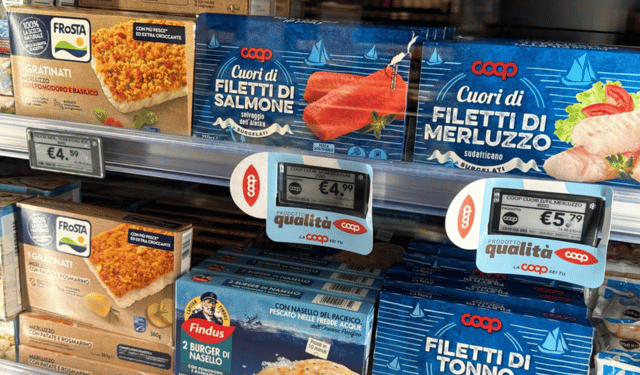
The European Packaging and Packaging Waste Regulation (PPWR) sets ambitious targets, aiming for a 5% reduction in packaging waste by 2030 and up to 15% by 2040. These goals, however, clash with consumption trends shaped by the post-pandemic environment and the rapid expansion of e-commerce, both of which favour packaging solutions capable of ensuring hygiene and extended shelf life. In the food sector—and especially in the seafood sector, where perishability is extremely high—packaging is not merely waste, but a crucial ally in the fight against food loss and food waste. Alberto Palaveri, President of Giflex, warned that the risk of the PPWR lies in treating packaging solely as a problem to be eliminated, overlooking its essential role in ensuring the sustainability of the product it protects.
Italy enters this challenge as a European leader, with a packaging supply chain that in 2024 exceeded 17 million tonnes of production and generated approximately €38 billion in turnover. Despite record recycling rates—exceeding 90% for paper—the industrial system is feeling significant strain. Andrea D’Amato of the Federation of Paper and Graphics highlighted a worrying trend: high energy costs and regulatory asymmetries are driving part of the recovered material outside Europe, undermining competitiveness and putting jobs at risk in a sector that accounts for 1.7% of Italy’s GDP.
The message from across the supply chain is clear and unified: pragmatism and technological neutrality are essential. Vittorio Cino of Centromarca stressed that for major brands, packaging is an integral part of brand identity and a vital information platform. Penalising it without a holistic vision would weaken the entire fast-moving consumer goods (FMCG) system in Italy.
The proposed roadmap towards 2030 is built on three pillars: the creation of a permanent supply chain working group, the launch of a Senate fact-finding investigation, and the provision of clear timelines for technological investments. Only through this approach can the green transition reconcile environmental protection with the economic resilience of an industrial system of excellence.
For more insights on the future of Italian and European fisheries and the blue economy, follow ongoing coverage and analysis on Pesceinrete.