Overseas


The EU cephalopod market in 2025 has become, more than almost any other segment, the clearest window into the new equilibrium shaping Europe’s seafood economy.
The latest analysis from EUMOFA does not describe a simple seasonal swing. It captures a dynamic that now looks structural: contracting volumes paired with rising value. In practice, cephalopods are turning into a real-time indicator of tension between supply and demand.
Across 2025, first sales of cephalopods in the European Union recorded an increase in overall value while volumes fell compared with the previous year. The most telling signal comes from octopus, which remains the leading species by value. France, Spain and Portugal show higher average prices, suggesting demand continues to absorb the product even as availability tightens.
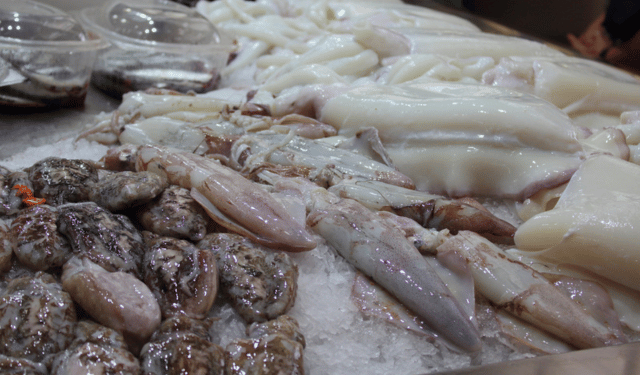
At the same time, squid and cuttlefish show a sharper decline in quantities, contributing materially to the overall contraction in segment volumes. This shift makes the category less predictable and more exposed to price volatility.
The central role of cephalopods is not accidental. The segment concentrates several structural vulnerabilities. On one side, dependence on wild resources—and on stocks that respond quickly to environmental conditions—makes supply intrinsically less stable than in other categories. On the other, cephalopods hold a strong position in Mediterranean and European consumption, especially in fresh channels and foodservice, keeping demand pressure consistently high.
The result is a market that reacts immediately to any reduction in supply, transferring tension into prices already at the earliest commercial stages. For operators along the value chain, cephalopods are becoming a strategically important but high-risk category. Value growth is not matched by volume stability, complicating procurement planning—particularly for processors, importers, and fresh-oriented Horeca and retail channels.
In this context, price is no longer just a commercial variable. It becomes a direct reflection of a structurally tighter availability. The cephalopod segment is effectively anticipating dynamics that could extend to other parts of the European seafood market: when volume reductions turn structural while demand remains resilient, value rises—but instability rises with it.
In Europe’s new seafood landscape, cephalopods are no longer merely a product category. They are an early signal of how the rules are changing between availability, price, and demand—and why it will be worth watching how key segments evolve through 2026.
For more insights on the future of Italian and European fisheries and the blue economy, follow ongoing coverage and analysis on Pesceinrete.