• CHI SIAMO
  • CONTATTI
  • PARTNER
  • PUBBLICITÀ
  • NEWSLETTER
  • ARCHIVIO
    • Bandi e Opportunità
    • Speciali
    • Rubriche
    • Nutrizione e salute
    • Interviste
    • Video
giovedì 14 Maggio, 2026
Pesceinrete
  • Home
  • News
  • Pesca
  • Acquacoltura
    • Acquaponica
    • Algocoltura
  • Protagonisti
    • Aziende
    • Istituzioni
      • Europee
      • Nazionali
      • Regionali
    • Associazioni di categoria
      • Associazione Mediterranea Acquacoltori
      • Legacoop Agroalimentare
      • Assoittica Italia
      • Federpesca
      • PescaAgri-CIA
      • Unci AgroAlimentare
    • Sindacati
      • UILA Pesca
    • ONG
    • Consorzi e Cooperative
      • CIRSPE
  • Tecnologia
  • Sostenibilità
  • Mercati
  • Eventi
  • OverseasNew
Nessun Risultato
Vedi tutti i Risultati
Pesceinrete
  • Home
  • News
  • Pesca
  • Acquacoltura
    • Acquaponica
    • Algocoltura
  • Protagonisti
    • Aziende
    • Istituzioni
      • Europee
      • Nazionali
      • Regionali
    • Associazioni di categoria
      • Associazione Mediterranea Acquacoltori
      • Legacoop Agroalimentare
      • Assoittica Italia
      • Federpesca
      • PescaAgri-CIA
      • Unci AgroAlimentare
    • Sindacati
      • UILA Pesca
    • ONG
    • Consorzi e Cooperative
      • CIRSPE
  • Tecnologia
  • Sostenibilità
  • Mercati
  • Eventi
  • OverseasNew
Nessun Risultato
Vedi tutti i Risultati
Pesceinrete
Nessun Risultato
Vedi tutti i Risultati

Home Overseas

Farmed fish and antibiotics: the real picture

Strict EU rules, scientific evidence, and innovation are reshaping aquaculture beyond outdated stereotypes.

Davide Ciravolo by Davide Ciravolo
10 Settembre 2025
in Overseas
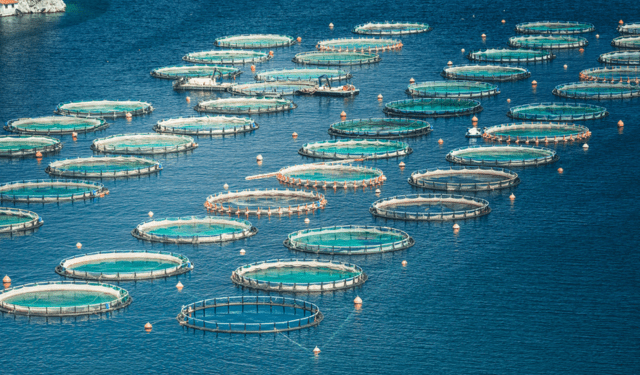
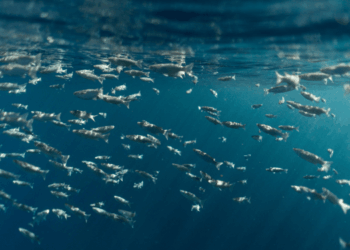
Farmed fish and antibiotics the real picture

Farmed fish and antibiotics the real picture

The relationship between farmed fish and antibiotics is often debated, but the regulatory and scientific reality is very different from common perceptions. In the European Union, legislation strictly bans the use of antibiotics as growth promoters and prohibits indiscriminate preventive treatments. Medications can only be administered in the presence of a diagnosed disease and always under the responsibility of the farm’s veterinarian.

The use of antibiotics is targeted, usually through medicated feed, and always for a limited period. After each treatment, “withdrawal periods” must be observed, meaning the minimum interval before fish can be marketed, ensuring no residues are found in fillets destined for consumption.

Valentina Tepedino, a veterinary doctor specialized in food safety, emphasizes that this is not only a regulatory obligation but also an economic issue: “Antibiotics are expensive and complex to use. No serious producer has any interest in using them massively.”

Food safety is also safeguarded by competent health authorities, which conduct regular checks and residue analyses on seafood products. EFSA reports confirm that the presence of antibiotics in European farmed fish is extremely rare and, when detected, well below legal limits.


Aquaculture today

At the same time, aquaculture is increasingly reducing the use of pharmaceuticals thanks to innovation. The development of specific vaccines, genetic selection of more resistant species, improvements in farming practices, and more careful management of environmental conditions have led to a significant decline in antibiotic treatments over the past two decades.

The result is a production model that not only guarantees consumer safety but also strengthens sustainability and the competitiveness of companies. Talking about farmed fish “full of antibiotics” means ignoring scientific evidence and the real transformation of a sector that is ever more transparent and responsible.

The issue of farmed fish and antibiotics cannot be reduced to stereotypes. Strict regulations, rigorous controls, and technological innovation have made European aquaculture an advanced system, where the use of antibiotics is minimal and always under strict veterinary supervision.


Stay updated: subscribe to our weekly newsletter and receive the most important seafood industry news directly in your inbox.
NEWSLETTER

Tags: aquaculture antibiotic use Europeaquaculture sustainability innovationfarmed fish antibiotics EU regulationfish farming safety antibiotics
CondividiTweetCondividiPinInviaCondividiInvia
Articolo precedente

OP Blue Sea Mazara: “Taglia minima giusta, ma servono controlli equi nel Mediterraneo”

Prossimo articolo

Il fish and chips resta il piatto di pesce preferito nel Regno Unito

Davide Ciravolo

Davide Ciravolo

Articoli Correlati

The sea still has secrets: WoRMS reveals the most extraordinary marine species of 2025

The sea still has secrets: WoRMS reveals the most extraordinary marine species of 2025

by Davide Ciravolo
14 Maggio 2026

The ocean continues to surprise us. Not only because it is changing, warming, losing biodiversity and facing growing pressure from...

Bottarga and Grey Mullet: when wesearch supports Mediterranean aquaculture

Bottarga and Grey Mullet: when wesearch supports Mediterranean aquaculture

by Tiziana Indorato
13 Maggio 2026

Bottarga and grey mullet are closely linked to one of the most recognizable products in Mediterranean seafood culture. Bottarga belongs...

EU fisheries and aquaculture statistics: why better data matter

EU fisheries and aquaculture statistics: why better data matter

by Tiziana Indorato
12 Maggio 2026

There is a part of fisheries and aquaculture that cannot be seen in ports, fish markets, farming sites or processing...

Central Mediterranean: fisheries, security and cooperation at the heart of the debate in Mazara del Vallo

Central Mediterranean: fisheries, security and cooperation at the heart of the debate in Mazara del Vallo

by Redazione
11 Maggio 2026

The Central Mediterranean is not merely a geographical space. For Mazara del Vallo, it means work, memory, identity and, often,...

Prossimo articolo
fish and chips

Il fish and chips resta il piatto di pesce preferito nel Regno Unito

Lascia un commento Annulla risposta

Il tuo indirizzo email non sarà pubblicato. I campi obbligatori sono contrassegnati *

Questo sito utilizza Akismet per ridurre lo spam. Scopri come vengono elaborati i dati derivati dai commenti.

Categorie articoli


Newsletter

Pesceinrete

Pesceinrete è la testata giornalistica unica in Italia ad occuparsi di pesca commerciale ed acquacoltura.
In quanto canale tematico e dai contenuti specializzati, si rivolge direttamente agli operatori della filiera con una comunicazione targettizzata che risponde alle esigenze del settore.

Categorie

  • Pesca
  • Acquacoltura
  • Eventi e Fiere
  • Mercati
  • Sostenibilità
  • Tecnologia

Segui le nostre pagine social

Stock images by Depositphotos

  • Chi siamo
  • PARTNER
  • Contatti
  • Pubblicità
  • Newsletter

© 2023 INRETE S.R.L. P.Iva: 02557660814 - Pesceinrete- il quotidiano del settore ittico | Web design by Motion Head

  • Home
  • News
  • Pesca
  • Acquacoltura
  • Protagonisti
  • Tecnologia
  • Sostenibilità
  • Mercati
  • Eventi e Fiere
  • Overseas English NEW
  • Archivio
  • Chi siamo
  • Contatti
  • Partner
  • Pubblicità
  • Newsletter
Nessun Risultato
Vedi tutti i Risultati

© 2023 INRETE S.R.L. P.Iva: 02557660814 - Pesceinrete- il quotidiano del settore ittico | Web design by Motion Head