• CHI SIAMO
  • CONTATTI
  • PARTNER
  • PUBBLICITÀ
  • NEWSLETTER
  • ARCHIVIO
    • Bandi e Opportunità
    • Speciali
    • Rubriche
    • Nutrizione e salute
    • Interviste
    • Video
lunedì 20 Aprile, 2026
Pesceinrete
  • Home
  • News
  • Pesca
  • Acquacoltura
    • Acquaponica
    • Algocoltura
  • Protagonisti
    • Aziende
    • Istituzioni
      • Europee
      • Nazionali
      • Regionali
    • Associazioni di categoria
      • Associazione Mediterranea Acquacoltori
      • Legacoop Agroalimentare
      • Assoittica Italia
      • Federpesca
      • PescaAgri-CIA
      • Unci AgroAlimentare
    • Sindacati
      • UILA Pesca
    • ONG
    • Consorzi e Cooperative
      • CIRSPE
  • Tecnologia
  • Sostenibilità
  • Mercati
  • Eventi
  • OverseasNew
Nessun Risultato
Vedi tutti i Risultati
Pesceinrete
  • Home
  • News
  • Pesca
  • Acquacoltura
    • Acquaponica
    • Algocoltura
  • Protagonisti
    • Aziende
    • Istituzioni
      • Europee
      • Nazionali
      • Regionali
    • Associazioni di categoria
      • Associazione Mediterranea Acquacoltori
      • Legacoop Agroalimentare
      • Assoittica Italia
      • Federpesca
      • PescaAgri-CIA
      • Unci AgroAlimentare
    • Sindacati
      • UILA Pesca
    • ONG
    • Consorzi e Cooperative
      • CIRSPE
  • Tecnologia
  • Sostenibilità
  • Mercati
  • Eventi
  • OverseasNew
Nessun Risultato
Vedi tutti i Risultati
Pesceinrete
Nessun Risultato
Vedi tutti i Risultati

Home Overseas

Red Shrimp Exports: Why North Africa Isn’t Doing Dumping

In economic terms, dumping occurs when a country exports a product at a lower price than it sells domestically, or even below production cost. When proven, it can justify international trade defense measures. But neither condition applies to red shrimp from North Africa.

Gaspare Bilardello by Gaspare Bilardello
27 Ottobre 2025
in Overseas
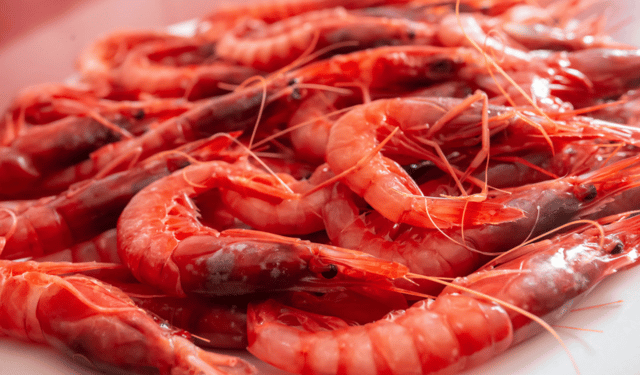
Red Shrimp Exports Why North Africa Isn’t Doing Dumping

Red Shrimp Exports Why North Africa Isn’t Doing Dumping

Cyclical debates resurface about alleged “dumping” in North African red shrimp exports, particularly from Tunisia, Egypt, and Libya, towards Europe. Several Italian and Spanish seafood operators—major consumers of this product—accuse these imports of unfair competition due to lower prices. Yet, a closer look shows that the economic definition of dumping simply doesn’t fit this case.

Dumping: What It Really Means

In economic terms, dumping occurs when a country exports a product at a lower price than it sells domestically, or even below production cost. When proven, it can justify international trade defense measures. But neither condition applies to red shrimp from North Africa.

No Domestic Market, High Efficiency

Red shrimp are not part of Maghreb culinary traditions. There is no domestic market to compare export prices with. These shrimp are caught exclusively for export to countries where demand and value exist.

Likewise, the idea that North African companies sell below production cost is unfounded. Fisheries in the region operate with high efficiency, low overhead, and lean structures. No company could sustainably sell at a loss; if they did, they simply wouldn’t survive.

Not Dumping — Just Different Rules

The real issue lies elsewhere. European fleets face strict regulations: catch limits, minimum sizes, biological rest periods, and restricted zones—all essential to preserve marine stocks. Extra-EU countries, while often members of international bodies like the GFCM (General Fisheries Commission for the Mediterranean), operate under sovereignly defined rules.

This regulatory imbalance may cause market distortions, but it’s not dumping. It’s a political and diplomatic issue, not a commercial one.

Cooperation, Not Accusation

Instead of pointing fingers at our southern neighbors, Europe should seize this as an opportunity for cooperation. A telling example comes from a Mazara del Vallo entrepreneur who recently launched a joint venture with Maghreb partners—an intelligent and forward-looking move that paves the way for shared growth and new opportunities for Italian enterprises.

Bringing all stakeholders—producers, governments, international bodies—around the same table is the only way to establish fair and sustainable common rules. Avoiding hasty or even offensive judgments and working together for rational resource management is the only way to secure the future of Mediterranean fisheries.

After all, it would be hypocritical to forget that Europe itself practiced unsustainable intensive fishing for decades. The world has changed. What we need now are alliances, not barriers. And red shrimp can become—not a source of conflict—but an opportunity for dialogue.

Stay updated with the most relevant news in the seafood industry—subscribe to our weekly newsletter.
NEWSLETTER

Tags: dumpingEgyptEU fisheriesMediterranean fisheriesNorth Africared shrimpseafood economytrade policyTunisia
CondividiTweetCondividiPinInviaCondividiInvia
Articolo precedente

Andaloro: trent’anni di errori che hanno piegato la pesca italiana nel Mediterraneo

Prossimo articolo

Natale Amoroso: senza giovani, la pesca non potrà restare competitiva

Gaspare Bilardello

Gaspare Bilardello

Articoli Correlati

EU maritime spatial planning and fisheries

EU maritime spatial planning and fisheries

by Alice Giacalone
17 Aprile 2026

Maritime spatial planning in the European Union is back at the center of the political agenda, with a message that...

Libya Fisheries Strategy: GFCM Visit Signals Blue Economy Shift

Libya fisheries strategy: GFCM visit signals Blue Economy shift

by Gaspare Bilardello
16 Aprile 2026

The Libya fisheries strategy GFCM visit marks a decisive step in the country’s transition toward a modern and sustainable blue...

Zwara Fishing Expo 2026: Libya’s Blue Economy Shift

Zwara Fishing Expo 2026: Libya’s Blue Economy Shift

by Gaspare Bilardello
14 Aprile 2026

In June 2026, the Zwara Fishing & Maritime Investment Expo marks a turning point in Libya’s fisheries sector, signaling a...

Trapline enters Italy’s swordfish fishery: why this trial matters

Trapline enters Italy’s swordfish fishery: why this trial matters

by Davide Ciravolo
13 Aprile 2026

There is one development that risks going largely unnoticed, yet it could carry real weight for the future of swordfish...

Prossimo articolo
crisi del ricambio generazionale nella pesca italiana

Natale Amoroso: senza giovani, la pesca non potrà restare competitiva

Lascia un commento Annulla risposta

Il tuo indirizzo email non sarà pubblicato. I campi obbligatori sono contrassegnati *

Questo sito utilizza Akismet per ridurre lo spam. Scopri come vengono elaborati i dati derivati dai commenti.

Categorie articoli


Newsletter

Pesceinrete

Pesceinrete è la testata giornalistica unica in Italia ad occuparsi di pesca commerciale ed acquacoltura.
In quanto canale tematico e dai contenuti specializzati, si rivolge direttamente agli operatori della filiera con una comunicazione targettizzata che risponde alle esigenze del settore.

Categorie

  • Pesca
  • Acquacoltura
  • Eventi e Fiere
  • Mercati
  • Sostenibilità
  • Tecnologia

Segui le nostre pagine social

Stock images by Depositphotos

  • Chi siamo
  • PARTNER
  • Contatti
  • Pubblicità
  • Newsletter

© 2023 INRETE S.R.L. P.Iva: 02557660814 - Pesceinrete- il quotidiano del settore ittico | Web design by Motion Head

  • Home
  • News
  • Pesca
  • Acquacoltura
  • Protagonisti
  • Tecnologia
  • Sostenibilità
  • Mercati
  • Eventi e Fiere
  • Overseas English NEW
  • Archivio
  • Chi siamo
  • Contatti
  • Partner
  • Pubblicità
  • Newsletter
Nessun Risultato
Vedi tutti i Risultati

© 2023 INRETE S.R.L. P.Iva: 02557660814 - Pesceinrete- il quotidiano del settore ittico | Web design by Motion Head