• HOME
  • CHI SIAMO
  • CONTATTI
  • PARTNER
  • PUBBLICITÀ
  • NEWSLETTER
  • ARCHIVIO
    • Bandi e Opportunità
    • Speciali
    • Rubriche
    • Nutrizione e salute
    • Interviste
    • Video
mercoledì 16 Settembre, 2026
Pesceinrete
  • Pesca
  • Nutrizione e salute
  • Acquacoltura
    • Acquaponica
    • Algocoltura
  • Approfondimenti
  • Tecnologia
  • Sostenibilità
  • Mercati
  • OverseasNew
Nessun Risultato
Vedi tutti i Risultati
Pesceinrete
  • Pesca
  • Nutrizione e salute
  • Acquacoltura
    • Acquaponica
    • Algocoltura
  • Approfondimenti
  • Tecnologia
  • Sostenibilità
  • Mercati
  • OverseasNew
Nessun Risultato
Vedi tutti i Risultati
Pesceinrete
Nessun Risultato
Vedi tutti i Risultati

Home Overseas

Italy Calls for a 2026 Moratorium on EU Mediterranean Measures

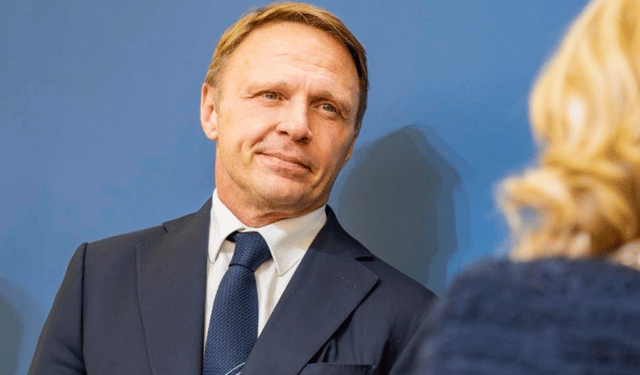
At the EU Council, Minister Lollobrigida warns: “The operation may be successful, but the patient — Italian fisheries — is dead.”

Davide Ciravolo by Davide Ciravolo
19 Novembre 2025
in Overseas
Italy Calls for a 2026 Moratorium on EU Mediterranean Measures

Italy Calls for a 2026 Moratorium on EU Mediterranean Measures

The request for a 2026 moratorium on new EU rules for the Mediterranean has become Italy’s central political message. The statement made by Minister Francesco Lollobrigida at the meeting of EU Agriculture and Fisheries Ministers on 17 November marked a turning point. His expression was sharp: the operation may have succeeded, but the patient — Italian fisheries — is dead.

The minister presented a scenario with no room for misinterpretation. Italian fishing communities continue to lose vessels and labour, and the generational turnover has stalled. Despite years of restrictions, several stocks have not shown the expected recovery. Yet for Italy, the crisis is not only environmental. It is also economic and competitive. Imported fish produced under looser rules enters Europe at lower prices and displaces domestic products. Auction values fall, and many vessel owners choose scrapping over unsustainable operations.

Italy’s Call for a Moratorium in 2026

Before his European colleagues, Lollobrigida asked for a pause in new measures for the Mediterranean in 2026. The fishing effort, especially in trawling, has reached levels that jeopardize economic viability. The minister described this request as a red line that Italy will defend at every negotiation step.

The European Commission presented two regulatory proposals that will guide the next phase of discussions. One concerns Atlantic and North Sea fishing opportunities from 2026 to 2028. The second introduces new measures for the Mediterranean and Black Sea in 2026. These proposals are based on ICES scientific advice and EU multiannual plans. However, Lollobrigida questioned whether Brussels’ timelines reflect Mediterranean realities or risk emptying marinerie before stocks recover.

The issue is not only Italian. Several ministers acknowledged that the Mediterranean has unique structural fragilities, not comparable to the Atlantic or North Sea. Danish minister Jacob Jensen, chairing the session, stressed the need for a balanced political agreement by December. That balance must integrate biological sustainability with the resilience of coastal economies built on fishing traditions.

The Three Pillars of the CFP

Lollobrigida recalled a principle often overlooked in current EU discussions. The Common Fisheries Policy stands on three pillars: resource conservation, safeguarding maritime labour and supporting the sector’s economy. When a single pillar carries the entire weight, the system becomes unstable.

The decisive moment will come in December, when new TACs and 2026 measures are adopted. Only then will it be clear whether Italy’s message has influenced the negotiation or whether the Mediterranean will face another year of restrictions without adequate support.

The coming months will define the balance between sustainability, competitiveness and social resilience in Mediterranean fisheries. The outcome will directly impact the entire supply chain, from primary production to processing and distribution.

Pesceinrete will continue to closely monitor the European negotiations, providing analysis and updates for all operators across the supply chain.
NEWSLETTER

Tags: EU fisheriesEuropean CouncilFisheries Policyfishing fleetsimportsItalian fishing sectorLollobrigidaMediterraneansustainability
CondividiTweetCondividiPinInviaCondividiInvia
Articolo precedente

Forum Retail 2025, i trend che influenzano anche il mercato ittico

Prossimo articolo

Blue News Sicilia 12 | Accordo Pesca 2026 e borghi marinari

Davide Ciravolo

Davide Ciravolo

Autore Pesceinrete, retail ittico e mercati seafood Davide Ciravolo è autore Pesceinrete. Si occupa di mercati, distribuzione e scenari commerciali della filiera ittica, con particolare attenzione al rapporto tra prodotto, retail e consumi. La sua esperienza come ex buyer di Esselunga gli permette di osservare il settore seafood anche dal punto di vista della GDO e delle dinamiche di assortimento.

Articoli Correlati

Fishing vessel at sea as warmer ocean temperatures and El Niño shift fish distribution and fishing grounds

El Niño is set to become very strong. Warmer seas are redrawing the geography of fishing

by Luca Di Noto
15 Settembre 2026

What happens to fisheries when seas become warmer? Warmer seas do not simply mean fewer fish. They can change where...

Imported caviar at the centre of the European debate on origin transparency

Imported caviar, European aquaculture calls for clearer origin information

by Mariella Ballatore
11 Settembre 2026

Imported caviar from non-EU countries has become a test case in European aquaculture’s call for greater origin transparency. FEAP warns...

Italian seafood presented to buyers at Seafood Expo Asia in Singapore

From blue crab to red shrimp, buyers put Italy’s seafood supply chain to the test in Singapore

by Redazione
9 Settembre 2026

From blue crab seeking an industrial supply chain to traceable bivalve molluscs and red shrimp for fine dining, Italy is...

Salmon fillet on the processing line at Freezco Eesti in Tallinn

Freezco expands salmon processing for the italian market

by Davide Ciravolo
7 Settembre 2026

Freezco has expanded salmon processing for the Italian market through Freezco Eesti, a facility in Tallinn launched in May 2026....

Lascia un commento Annulla risposta

Il tuo indirizzo email non sarà pubblicato. I campi obbligatori sono contrassegnati *

Questo sito utilizza Akismet per ridurre lo spam. Scopri come vengono elaborati i dati derivati dai commenti.


Articoli più letti

  • 10 pesci costosi e prelibati
  • Le specie di sarago del Mediterraneo
  • Pesci con più e meno mercurio
  • Molva, una ricchezza del Mare del Nord
  • Molluschi bivalvi: descrizione e caratteristiche
  • Congelare il tonno in scatola
  • Gattuccio e palombo, gli squali buoni da mangiare
  • Triglia: caratteristiche e proprietà nutrizionali
  • Mangiare il tonno crudo: vantaggi e pericoli
  • Sgombro e lanzardo, pesce azzurro per il cuore
Pesceinrete

Pesceinrete è la testata giornalistica unica in Italia ad occuparsi di pesca commerciale ed acquacoltura. In quanto canale tematico e dai contenuti specializzati, si rivolge direttamente agli operatori della filiera con una comunicazione targettizzata che risponde alle esigenze del settore.

Segui le nostre pagine social

Stock images by Depositphotos

Newsletter

Categorie

  • News Ittico
  • Pesca
  • Acquacoltura
  • Associazioni di categoria
  • Sindacati
  • ONG
  • Tecnologia
  • Sostenibilità
  • Mercati
  • Eventi e Fiere
  • Overseas
  • Nutrizione e salute
  • Approfondimenti
  • Chi siamo
  • Policy editoriali
  • Partner
  • Contatti
  • Pubblicità
  • Newsletter
  • Mappa del sito

© 2026 INRETE S.R.L. P.Iva: 02557660814 - Pesceinrete - Il quotidiano del settore ittico | Credits

Pesceinrete
Gestisci Consenso

Usiamo cookie tecnici per far funzionare il sito, e cookie statistici (anche di terze parti) per capire come viene usato e migliorarlo. Puoi accettare tutto, rifiutare tutto o scegliere quali attivare — restando comunque libero di navigare senza restrizioni.

Funzionale Sempre attivo
L'archiviazione tecnica o l'accesso sono strettamente necessari al fine legittimo di consentire l'uso di un servizio specifico esplicitamente richiesto dall'abbonato o dall'utente, o al solo scopo di effettuare la trasmissione di una comunicazione su una rete di comunicazione elettronica.
Preferenze
L'archiviazione tecnica o l'accesso sono necessari per lo scopo legittimo di memorizzare le preferenze che non sono richieste dall'abbonato o dall'utente.
Statistiche
L'archiviazione tecnica o l'accesso che viene utilizzato esclusivamente per scopi statistici. L'archiviazione tecnica o l'accesso che viene utilizzato esclusivamente per scopi statistici anonimi. Senza un mandato di comparizione, una conformità volontaria da parte del vostro Fornitore di Servizi Internet, o ulteriori registrazioni da parte di terzi, le informazioni memorizzate o recuperate per questo scopo da sole non possono di solito essere utilizzate per l'identificazione.
Marketing
L'archiviazione tecnica o l'accesso sono necessari per creare profili di utenti per inviare pubblicità, o per tracciare l'utente su un sito web o su diversi siti web per scopi di marketing simili.
  • Gestisci opzioni
  • Gestisci servizi
  • Gestisci {vendor_count} fornitori
  • Per saperne di più su questi scopi
Personalizza
  • {title}
  • {title}
  • {title}
  • Home
  • Nutrizione e salute
  • Pesca
  • Acquacoltura
  • Approfondimenti
  • Tecnologia
  • Sostenibilità
  • Mercati
  • Overseas English NEW
  • Archivio
  • Chi siamo
  • Contatti
  • Partner
  • Pubblicità
  • Newsletter
Nessun Risultato
Vedi tutti i Risultati

© 2026 INRETE S.R.L. P.Iva: 02557660814 - Pesceinrete - Il quotidiano del settore ittico | Credits