• HOME
  • CHI SIAMO
  • CONTATTI
  • PARTNER
  • PUBBLICITÀ
  • NEWSLETTER
  • ARCHIVIO
    • Bandi e Opportunità
    • Speciali
    • Rubriche
    • Nutrizione e salute
    • Interviste
    • Video
giovedì 15 Ottobre, 2026
Pesceinrete
  • Pesca
  • Nutrizione e salute
  • Acquacoltura
    • Acquaponica
    • Algocoltura
  • Tecnologia
  • Sostenibilità
  • Mercati
  • Overseas
  • Guida BuyerNew
Nessun Risultato
Vedi tutti i Risultati
Pesceinrete
  • Pesca
  • Nutrizione e salute
  • Acquacoltura
    • Acquaponica
    • Algocoltura
  • Tecnologia
  • Sostenibilità
  • Mercati
  • Overseas
  • Guida BuyerNew
Nessun Risultato
Vedi tutti i Risultati
Pesceinrete
Nessun Risultato
Vedi tutti i Risultati

Home Overseas

EU Fishing Sector Pushes for Real Energy Transition

Industry leaders meet Commissioner Kadis in Brussels: rules, funding and fleet renewal at the heart of the debate.

Tiziana Indorato by Tiziana Indorato
16 Gennaio 2026
in Overseas
EU Fishing Sector Pushes for Real Energy Transition

EU Fishing Sector Pushes for Real Energy Transition

European fisheries are entering a decisive phase in their energy transition. This is the picture that emerged from the meeting held the day before yesterday in Brussels between representatives of the blue economy supply chain and the European Commissioner for Fisheries and Oceans, Costas Kadis. At the table sat SEA Europe, Europêche, Copa-Cogeca, the European Transport Workers’ Federation (ETF), and the European Association of Fish Producer Organisations (EAPO), gathered in a delegation representing the entire production spectrum: fishers, aquaculture operators, cooperatives, producer organisations, shipyards, workers and maritime technology companies.

The message delivered to the Commissioner was clear: the sector’s commitment to decarbonisation exists, is concrete, and is shared. But today it is progressing slowly, hindered by regulatory and financial barriers that make it harder to turn intentions into real outcomes.

Insufficient onboard space: rules designed for the past

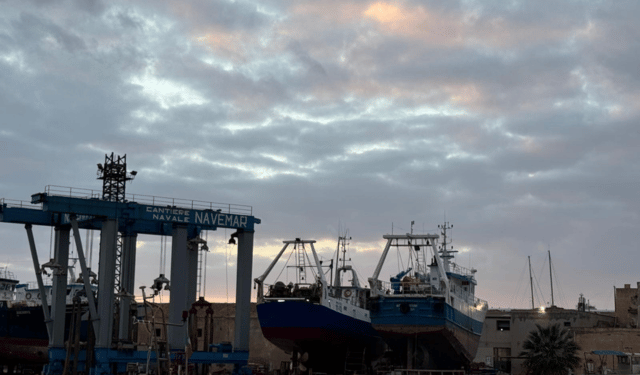
One of the main issues raised by the organisations concerns the EU regulations that set the maximum dimensions and volumes of fishing vessels. These rules were created for different contexts and are poorly suited to a sector now required to adopt new propulsion technologies—from hybrid systems to electric solutions and alternative fuels.

All these innovations require extra internal capacity and additional space for batteries, tanks, or technical equipment. Being unable to install them effectively prevents the fleet from upgrading.

Beyond the energy aspect, this constraint also limits the ability to improve working conditions on board and crew safety. For the organisations, it is a limitation that makes the sector less competitive and, above all, less attractive to young people—just when generational renewal is urgently needed.

Insufficient funding and weak political signals

Alongside technical constraints, the most pressing issue is funding. The sector reiterated that the energy transition cannot be achieved without adequate and stable public support.

Current programmes, although useful, are deemed insufficient in scale and too rigid in terms of eligible investments. Many necessary interventions—from modernising fishing vessels to adopting low-emission technologies—are currently excluded or financially unsustainable for businesses.

Hence the request for:

  • a revision of EU funding rules;

  • a European plan for fleet renewal, including the decommissioning of obsolete units;

  • dedicated financial tools combining EU and national funds with public guarantees, to reduce the risks of private investment.

Political certainty, the organisations stressed, is essential for guiding long-term investments. Today, according to the sector, this certainty is lacking.

Training, safety and collaboration across the whole supply chain

The shift toward new technologies also implies a profound change in everyday work both at sea and on land. Updated skills are needed, along with investments in safety, more modern working conditions, and closer cooperation between fishers, shipbuilders, technology developers and investment actors.

This is why the organisations call for a permanent dialogue between fisheries, shipyards, investors and research centres, to ensure that innovation does not remain confined to experimentation but is rapidly transferred to the European fleets.

The supply chain also asks that fisheries and aquaculture be fully integrated into the EU maritime transport energy strategies, instead of being treated as separate sectors.

The final appeal: a “Fisheries and Aquaculture Omnibus” to move from plans to implementation

The organisations came to Commissioner Kadis with a common goal: to move the fisheries energy transition from the intention stage to the implementation stage.

To do this, they are calling for swift regulatory action—an “Omnibus” dedicated to fisheries and aquaculture—that removes the most urgent obstacles without waiting for a full reform of the Common Fisheries Policy.

This request is accompanied by the need for simpler and more realistic access to EU funds dedicated to the energy transition and fleet renewal, along with a stable political framework capable of restoring investor confidence.

Commissioner Kadis welcomed the sector’s considerations, reaffirming his willingness to work on a forward-looking roadmap aimed at strengthening the competitiveness, sustainability and social responsibility of Europe’s blue economy.

The meeting with Kadis therefore represents an important step in a historic moment for European fisheries. The sector is ready to accelerate decarbonisation, but is asking the EU to provide the right tools: regulations aligned with modern technologies, truly accessible funding, and a political path capable of ensuring stability. The message is clear: the energy transition cannot remain an abstract goal—operative and timely decisions are needed.

For more insights on the future of Italian and European fisheries and the blue economy, follow ongoing coverage and analysis on Pesceinrete.


NEWSLETTER

Tags: Alternative fuels maritimeAquaculture energy transitionBlue economy EuropeCommon Fisheries PolicyDecarbonisation fisheriesEU fishing energy transitionEU funding fisheriesEuropean fisheries policyFisheries regulations EUFishing sector competitivenessFishing vessel modernisationFleet renewal EULow-emission fishing technologiesMaritime technology innovationSustainable blue economy
CondividiTweetCondividiPinInviaCondividiInvia
Articolo precedente

Marca 2026 conferma la centralità dell’ittico nella Distribuzione Moderna

Prossimo articolo

Polizze catastrofali: il MIMIT esclude le navi da pesca dall’obbligo

Tiziana Indorato

Tiziana Indorato

Autrice Pesceinrete Tiziana Indorato scrive per Pesceinrete occupandosi di seafood, sostenibilità, mercati, innovazione e scenari internazionali. I suoi articoli seguono l’evoluzione della filiera ittica con attenzione ai cambiamenti ambientali, commerciali e regolatori che incidono sul lavoro delle imprese e sulla percezione del prodotto ittico.

Articoli Correlati

Tuna cuts

How tuna cuts differ in flavour and market value

by Davide Ciravolo
15 Ottobre 2026

From akami to ventresca, a guide to tuna cuts, their culinary uses, processing yield and commercial value across the seafood...

EU packaging rules and EPR simplification for seafood SMEs

EU packaging rules could ease EPR obligations for SMEs

by Alice Giacalone
13 Ottobre 2026

The European Parliament’s Environment Committee backs a temporary suspension of the EPR authorised-representative requirement. What the proposal could mean for...

Italian seafood specialities linked to coastal food tourism

Tourism offers opportunities for Italian seafood specialities

by Candida Ciravolo
12 Ottobre 2026

Among Italian shopping tourists surveyed, 73% always or almost always buy food and non-alcoholic drinks. For seafood producers, local identity,...

Pesci economici da scegliere al banco

7 affordable fish worth choosing at the seafood counter

by Candida Ciravolo
11 Ottobre 2026

Mackerel, sardines, anchovies, horse mackerel, grey mullet, bogue and blue whiting can all offer good value. What matters is the...

Lascia un commento Annulla risposta

Il tuo indirizzo email non sarà pubblicato. I campi obbligatori sono contrassegnati *

Questo sito utilizza Akismet per ridurre lo spam. Scopri come vengono elaborati i dati derivati dai commenti.


Articoli più letti

  • 10 pesci costosi e prelibati
  • Le specie di sarago del Mediterraneo
  • Pesci con più e meno mercurio
  • Molva, una ricchezza del Mare del Nord
  • Molluschi bivalvi: descrizione e caratteristiche
  • Congelare il tonno in scatola
  • Gattuccio e palombo, gli squali buoni da mangiare
  • Triglia: caratteristiche e proprietà nutrizionali
  • Mangiare il tonno crudo: vantaggi e pericoli
  • Sgombro e lanzardo, pesce azzurro per il cuore
Pesceinrete

Pesceinrete è la testata giornalistica unica in Italia ad occuparsi di pesca commerciale ed acquacoltura. In quanto canale tematico e dai contenuti specializzati, si rivolge direttamente agli operatori della filiera con una comunicazione targettizzata che risponde alle esigenze del settore.

Segui le nostre pagine social

Stock images by Depositphotos

Newsletter

Categorie

  • News Ittico
  • Pesca
  • Acquacoltura
  • Associazioni di categoria
  • Sindacati
  • ONG
  • Tecnologia
  • Sostenibilità
  • Mercati
  • Eventi e Fiere
  • Overseas
  • Nutrizione e salute
  • Approfondimenti
  • Chi siamo
  • Policy editoriali
  • Partner
  • Contatti
  • Pubblicità
  • Newsletter
  • Mappa del sito

© 2026 INRETE S.R.L. P.Iva: 02557660814 - Pesceinrete - Il quotidiano del settore ittico | Credits

Pesceinrete
Gestisci Consenso

Usiamo cookie tecnici per far funzionare il sito, e cookie statistici (anche di terze parti) per capire come viene usato e migliorarlo. Puoi accettare tutto, rifiutare tutto o scegliere quali attivare — restando comunque libero di navigare senza restrizioni.

Funzionale Sempre attivo
L'archiviazione tecnica o l'accesso sono strettamente necessari al fine legittimo di consentire l'uso di un servizio specifico esplicitamente richiesto dall'abbonato o dall'utente, o al solo scopo di effettuare la trasmissione di una comunicazione su una rete di comunicazione elettronica.
Preferenze
L'archiviazione tecnica o l'accesso sono necessari per lo scopo legittimo di memorizzare le preferenze che non sono richieste dall'abbonato o dall'utente.
Statistiche
L'archiviazione tecnica o l'accesso che viene utilizzato esclusivamente per scopi statistici. L'archiviazione tecnica o l'accesso che viene utilizzato esclusivamente per scopi statistici anonimi. Senza un mandato di comparizione, una conformità volontaria da parte del vostro Fornitore di Servizi Internet, o ulteriori registrazioni da parte di terzi, le informazioni memorizzate o recuperate per questo scopo da sole non possono di solito essere utilizzate per l'identificazione.
Marketing
L'archiviazione tecnica o l'accesso sono necessari per creare profili di utenti per inviare pubblicità, o per tracciare l'utente su un sito web o su diversi siti web per scopi di marketing simili.
  • Gestisci opzioni
  • Gestisci servizi
  • Gestisci {vendor_count} fornitori
  • Per saperne di più su questi scopi
Personalizza
  • {title}
  • {title}
  • {title}
  • Home
  • Nutrizione e salute
  • Pesca
  • Acquacoltura
  • Approfondimenti
  • Tecnologia
  • Sostenibilità
  • Mercati
  • Guida Buyer NEW
  • Overseas English
  • Archivio
  • Chi siamo
  • Contatti
  • Partner
  • Pubblicità
  • Newsletter
Nessun Risultato
Vedi tutti i Risultati

© 2026 INRETE S.R.L. P.Iva: 02557660814 - Pesceinrete - Il quotidiano del settore ittico | Credits