• HOME
  • CHI SIAMO
  • CONTATTI
  • PARTNER
  • PUBBLICITÀ
  • NEWSLETTER
  • ARCHIVIO
    • Bandi e Opportunità
    • Speciali
    • Rubriche
    • Nutrizione e salute
    • Interviste
    • Video
giovedì 10 Settembre, 2026
Pesceinrete
  • Pesca
  • Nutrizione e salute
  • Acquacoltura
    • Acquaponica
    • Algocoltura
  • Approfondimenti
  • Tecnologia
  • Sostenibilità
  • Mercati
  • OverseasNew
Nessun Risultato
Vedi tutti i Risultati
Pesceinrete
  • Pesca
  • Nutrizione e salute
  • Acquacoltura
    • Acquaponica
    • Algocoltura
  • Approfondimenti
  • Tecnologia
  • Sostenibilità
  • Mercati
  • OverseasNew
Nessun Risultato
Vedi tutti i Risultati
Pesceinrete
Nessun Risultato
Vedi tutti i Risultati

Home Overseas

EUMOFA report on preserved anchovies: tradition shaping the European seafood chain

In Italy, preserved anchovies remain strongly linked to artisanal know-how. Salting, maturation and manual filleting are still central, ensuring a perception of authenticity that the market rewards.

Davide Ciravolo by Davide Ciravolo
28 Agosto 2025
in Overseas
EUMOFA report on preserved anchovies: tradition shaping the European seafood chain

EUMOFA report on preserved anchovies: tradition shaping the European seafood chain

The latest EUMOFA analysis on preserved anchovies offers a clear picture of how tradition continues to shape the European seafood value chain. The comparison between Italy, Spain and Croatia reveals different approaches, all driven by the same goal: transforming a humble Mediterranean fish into an economic and cultural resource.

Italy: craftsmanship as a cultural brand

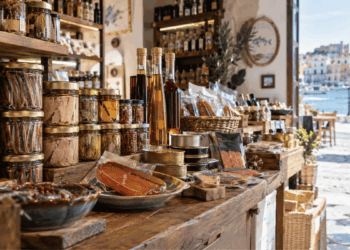
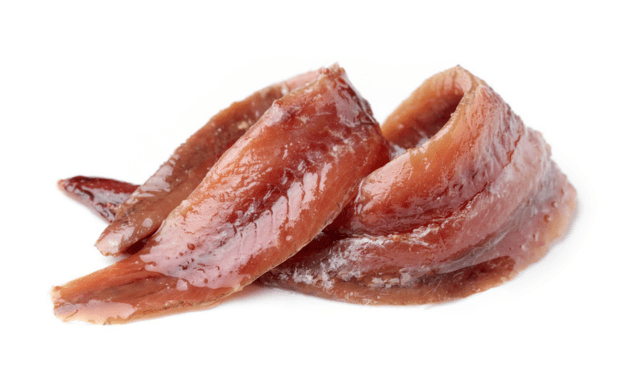
In Italy, preserved anchovies remain strongly linked to artisanal know-how. Salting, maturation and manual filleting are still central, ensuring a perception of authenticity that the market rewards. Even the evolution of packaging — from wood and terracotta to glass jars and tins — reflects the balance between innovation and heritage. For Italian companies, preserved anchovies are more than a product: they are a cultural brand reinforcing the positioning of Mediterranean fisheries.

Spain: synergy between tradition and industry

Spain has built a different model where artisanal tradition coexists with large-scale industry. Manual salting and filleting are the foundation, but integrated into an industrial process able to support exports and global distribution. This model shows how cultural heritage can merge with industrial efficiency, ensuring international competitiveness without losing gastronomic roots.

Croatia: Adriatic identity and resilience

In Croatia, anchovy preservation is closely tied to the Adriatic and the historical need for coastal communities to ensure food security. Salting and aging were once survival strategies but have become markers of national identity. Today, despite a smaller production scale compared to Italy and Spain, these practices contribute to a distinctive presence in the European seafood market.

A shared Mediterranean heritage

Across these countries, a common thread emerges: preserved anchovies are not just food products but carriers of collective memory and strategic assets for the seafood chain. Italy highlights craftsmanship, Spain demonstrates industrial integration, and Croatia preserves cultural resilience. Together, they show how the Mediterranean unites local practices with a shared European perspective.

For EUMOFA, the interest goes beyond tradition. Studying products like preserved anchovies helps understand how the seafood sector can combine identity, competitiveness and innovation. In today’s European market, where demand for authenticity and traceability is rising, these local specificities become strategic levers to strengthen the value of Mediterranean fishery products.

The EUMOFA study confirms that preserved anchovies are a perfect example of how the Mediterranean seafood chain blends cultural heritage with market potential. Italy, Spain and Croatia showcase different yet complementary models, proving the potential of a European strategy that values local identitiesSubscribe to the Pesceinrete weekly newsletter to receive exclusive seafood industry news and insights.

NEWSLETTER

Tags: EUMOFA report on preserved anchovies: tradition shaping the European seafood chain
CondividiTweetCondividiPinInviaCondividiInvia
Articolo precedente

In Giappone il riccio di mare diventa lusso proibitivo

Prossimo articolo

Pesca sportiva e pesca commerciale: due mondi complementari uniti dalla sostenibilità

Davide Ciravolo

Davide Ciravolo

Autore Pesceinrete, retail ittico e mercati seafood Davide Ciravolo è autore Pesceinrete. Si occupa di mercati, distribuzione e scenari commerciali della filiera ittica, con particolare attenzione al rapporto tra prodotto, retail e consumi. La sua esperienza come ex buyer di Esselunga gli permette di osservare il settore seafood anche dal punto di vista della GDO e delle dinamiche di assortimento.

Articoli Correlati

Italian seafood presented to buyers at Seafood Expo Asia in Singapore

From blue crab to red shrimp, buyers put Italy’s seafood supply chain to the test in Singapore

by Redazione
9 Settembre 2026

From blue crab seeking an industrial supply chain to traceable bivalve molluscs and red shrimp for fine dining, Italy is...

Salmon fillet on the processing line at Freezco Eesti in Tallinn

Freezco expands salmon processing for the italian market

by Davide Ciravolo
7 Settembre 2026

Freezco has expanded salmon processing for the Italian market through Freezco Eesti, a facility in Tallinn launched in May 2026....

High-value Italian seafood product showcasing processing and presentation

China’s seafood market gives greater weight to quality and traceability: an opening for Italy

by Davide Ciravolo
4 Settembre 2026

China imported around 2.31 million tonnes of seafood worth $10.1 billion in the first half of 2026. Competition remains intense,...

Consumer checking environmental claims on generic seafood packaging in an Italian supermarket

Seafood greenwashing: new Italian rules for environmental claims from 27 September

by Tiziana Indorato
3 Settembre 2026

From 27 September 2026, Italy will apply the new anti-greenwashing provisions introduced by Legislative Decree 20 February 2026, No. 30,...

Lascia un commento Annulla risposta

Il tuo indirizzo email non sarà pubblicato. I campi obbligatori sono contrassegnati *

Questo sito utilizza Akismet per ridurre lo spam. Scopri come vengono elaborati i dati derivati dai commenti.


Articoli più letti

  • 10 pesci costosi e prelibati
  • Le specie di sarago del Mediterraneo
  • Pesci con più e meno mercurio
  • Molva, una ricchezza del Mare del Nord
  • Molluschi bivalvi: descrizione e caratteristiche
  • Congelare il tonno in scatola
  • Gattuccio e palombo, gli squali buoni da mangiare
  • Triglia: caratteristiche e proprietà nutrizionali
  • Mangiare il tonno crudo: vantaggi e pericoli
  • Sgombro e lanzardo, pesce azzurro per il cuore
Pesceinrete

Pesceinrete è la testata giornalistica unica in Italia ad occuparsi di pesca commerciale ed acquacoltura. In quanto canale tematico e dai contenuti specializzati, si rivolge direttamente agli operatori della filiera con una comunicazione targettizzata che risponde alle esigenze del settore.

Segui le nostre pagine social

Stock images by Depositphotos

Newsletter

Categorie

  • News Ittico
  • Pesca
  • Acquacoltura
  • Associazioni di categoria
  • Sindacati
  • ONG
  • Tecnologia
  • Sostenibilità
  • Mercati
  • Eventi e Fiere
  • Overseas
  • Nutrizione e salute
  • Approfondimenti
  • Chi siamo
  • Policy editoriali
  • Partner
  • Contatti
  • Pubblicità
  • Newsletter
  • Mappa del sito

© 2026 INRETE S.R.L. P.Iva: 02557660814 - Pesceinrete - Il quotidiano del settore ittico | Credits

Pesceinrete
Gestisci Consenso

Usiamo cookie tecnici per far funzionare il sito, e cookie statistici (anche di terze parti) per capire come viene usato e migliorarlo. Puoi accettare tutto, rifiutare tutto o scegliere quali attivare — restando comunque libero di navigare senza restrizioni.

Funzionale Sempre attivo
L'archiviazione tecnica o l'accesso sono strettamente necessari al fine legittimo di consentire l'uso di un servizio specifico esplicitamente richiesto dall'abbonato o dall'utente, o al solo scopo di effettuare la trasmissione di una comunicazione su una rete di comunicazione elettronica.
Preferenze
L'archiviazione tecnica o l'accesso sono necessari per lo scopo legittimo di memorizzare le preferenze che non sono richieste dall'abbonato o dall'utente.
Statistiche
L'archiviazione tecnica o l'accesso che viene utilizzato esclusivamente per scopi statistici. L'archiviazione tecnica o l'accesso che viene utilizzato esclusivamente per scopi statistici anonimi. Senza un mandato di comparizione, una conformità volontaria da parte del vostro Fornitore di Servizi Internet, o ulteriori registrazioni da parte di terzi, le informazioni memorizzate o recuperate per questo scopo da sole non possono di solito essere utilizzate per l'identificazione.
Marketing
L'archiviazione tecnica o l'accesso sono necessari per creare profili di utenti per inviare pubblicità, o per tracciare l'utente su un sito web o su diversi siti web per scopi di marketing simili.
  • Gestisci opzioni
  • Gestisci servizi
  • Gestisci {vendor_count} fornitori
  • Per saperne di più su questi scopi
Personalizza
  • {title}
  • {title}
  • {title}
  • Home
  • Nutrizione e salute
  • Pesca
  • Acquacoltura
  • Approfondimenti
  • Tecnologia
  • Sostenibilità
  • Mercati
  • Overseas English NEW
  • Archivio
  • Chi siamo
  • Contatti
  • Partner
  • Pubblicità
  • Newsletter
Nessun Risultato
Vedi tutti i Risultati

© 2026 INRETE S.R.L. P.Iva: 02557660814 - Pesceinrete - Il quotidiano del settore ittico | Credits