• CHI SIAMO
  • CONTATTI
  • PARTNER
  • PUBBLICITÀ
  • NEWSLETTER
  • ARCHIVIO
    • Bandi e Opportunità
    • Speciali
    • Rubriche
    • Nutrizione e salute
    • Interviste
    • Video
giovedì 14 Maggio, 2026
Pesceinrete
  • Home
  • News
  • Pesca
  • Acquacoltura
    • Acquaponica
    • Algocoltura
  • Protagonisti
    • Aziende
    • Istituzioni
      • Europee
      • Nazionali
      • Regionali
    • Associazioni di categoria
      • Associazione Mediterranea Acquacoltori
      • Legacoop Agroalimentare
      • Assoittica Italia
      • Federpesca
      • PescaAgri-CIA
      • Unci AgroAlimentare
    • Sindacati
      • UILA Pesca
    • ONG
    • Consorzi e Cooperative
      • CIRSPE
  • Tecnologia
  • Sostenibilità
  • Mercati
  • Eventi
  • OverseasNew
Nessun Risultato
Vedi tutti i Risultati
Pesceinrete
  • Home
  • News
  • Pesca
  • Acquacoltura
    • Acquaponica
    • Algocoltura
  • Protagonisti
    • Aziende
    • Istituzioni
      • Europee
      • Nazionali
      • Regionali
    • Associazioni di categoria
      • Associazione Mediterranea Acquacoltori
      • Legacoop Agroalimentare
      • Assoittica Italia
      • Federpesca
      • PescaAgri-CIA
      • Unci AgroAlimentare
    • Sindacati
      • UILA Pesca
    • ONG
    • Consorzi e Cooperative
      • CIRSPE
  • Tecnologia
  • Sostenibilità
  • Mercati
  • Eventi
  • OverseasNew
Nessun Risultato
Vedi tutti i Risultati
Pesceinrete
Nessun Risultato
Vedi tutti i Risultati

Home Overseas

MedFish4Ever 2027: A test for Mediterranean fisheries

The new declaration expected in 2027 will shape the next decade of fisheries and aquaculture in the Mediterranean, where stock recovery, sustainability and the protection of coastal communities must move forward together.

Candida Ciravolo by Candida Ciravolo
7 Maggio 2026
in Overseas
MedFish4Ever 2027: A Test for Mediterranean Fisheries

MedFish4Ever 2027: A Test for Mediterranean Fisheries

MedFish4Ever 2027 comes at a decisive moment for the Mediterranean. The region still has too many fish stocks under pressure, but it has also shown that recovery is possible. This was the most important message to emerge from the High-Level Ministerial Conference in Nicosia, co-organised by the European Commission and the Republic of Cyprus, where the European Union and Mediterranean countries committed to adopting a new MedFish4Ever declaration in 2027.

The new agreement will guide the next decade of Mediterranean fisheries and aquaculture. It will not be just another political document. It will be a real test of whether the Mediterranean can better protect its marine resources without leaving behind those whose livelihoods depend on the sea.

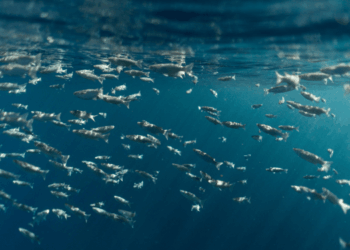
Since 2017, when the first MedFish4Ever declaration was adopted, some progress has been made. Half of Mediterranean fish stocks have started to recover. Where decisions have been based on scientific data, the results are visible. In the Adriatic, for example, demersal stocks such as hake have reached maximum sustainable yield for the first time. Fisheries restricted areas and more selective fishing gear are also helping to reduce pressure on ecosystems and bycatch.

These are important signals because they show that fisheries management works when it does not remain only on paper. Targeted plans, controls, scientific research and cooperation with fishers can genuinely change the state of marine resources. For the seafood supply chain, this means greater stability, better planning opportunities and a more credible Mediterranean product on the market.

The problem is that the road ahead remains long. More than half of assessed stocks are still overexploited. Illegal fishing continues to damage those who respect the rules. Fleet overcapacity remains an unresolved issue. Climate change is also transforming the Mediterranean, with increasingly visible effects: warmer waters, shifting species, new non-native species and more fragile habitats.

For this reason, the new MedFish4Ever declaration will need to be more concrete. It will not be enough to repeat that fishing must become more sustainable. Better enforcement, more effective controls, science-based management plans and real tools to support businesses through the transition will be needed.

Small-scale coastal fisheries

The most sensitive issue concerns small-scale fisheries. Coastal fishing communities are often the most exposed: high costs, reduced margins, bureaucracy and difficulties in generational renewal. Asking for new efforts without supporting those who work correctly risks widening the gap between institutions and the sector. Sustainability must also be economic; otherwise, it cannot become a lasting model.

Sustainable aquaculture

Alongside fisheries, the role of sustainable aquaculture is growing. In a sea where many wild resources remain under pressure, responsible farming can contribute to food security and supply stability. But aquaculture too will need to develop according to clear criteria: environmental quality, innovation, maritime spatial planning and transparency towards consumers and markets.

Cooperation between EU and non-EU countries

The challenge is shared because the Mediterranean is a shared sea. Fish stocks do not follow national borders, and neither do illegal fishing, climate change or market dynamics. Without strong cooperation between EU and non-EU countries, every measure risks remaining only partial.

The new 2027 declaration will therefore have to turn the progress made in recent years into a stronger strategy. For the seafood supply chain, the message is clear: healthier stocks mean a stronger future for fisheries, businesses, markets and coastal communities. But the protection of the sea must go hand in hand with the protection of work.

The Mediterranean is entering its decisive decade. The new MedFish4Ever declaration will matter only if it manages to move from intentions to results: less overexploitation, less illegality, more research, more value for Mediterranean seafood and more prospects for those who continue to build their lives around the sea.

Tags: Blue Economycoastal communitiescoastal fisheriesEU fisheriesfish stock recoveryFisheries managementillegal fishingMedFish4Ever 2027Mediterranean fish stocksMediterranean fisheriesmediterranean seaOverfishingscience-based fisheriesseafood supply chainSmall-scale fisheriessustainable aquaculturesustainable fisheries
CondividiTweetCondividiPinInviaCondividiInvia
Articolo precedente

Italian Oyster Fest 2026: alla Spezia cresce il peso dell’ostricoltura italiana

Prossimo articolo

Salmone scozzese, sopravvivenza record negli allevamenti

Candida Ciravolo

Candida Ciravolo

Articoli Correlati

The sea still has secrets: WoRMS reveals the most extraordinary marine species of 2025

The sea still has secrets: WoRMS reveals the most extraordinary marine species of 2025

by Davide Ciravolo
14 Maggio 2026

The ocean continues to surprise us. Not only because it is changing, warming, losing biodiversity and facing growing pressure from...

Bottarga and Grey Mullet: when wesearch supports Mediterranean aquaculture

Bottarga and Grey Mullet: when wesearch supports Mediterranean aquaculture

by Tiziana Indorato
13 Maggio 2026

Bottarga and grey mullet are closely linked to one of the most recognizable products in Mediterranean seafood culture. Bottarga belongs...

EU fisheries and aquaculture statistics: why better data matter

EU fisheries and aquaculture statistics: why better data matter

by Tiziana Indorato
12 Maggio 2026

There is a part of fisheries and aquaculture that cannot be seen in ports, fish markets, farming sites or processing...

Central Mediterranean: fisheries, security and cooperation at the heart of the debate in Mazara del Vallo

Central Mediterranean: fisheries, security and cooperation at the heart of the debate in Mazara del Vallo

by Redazione
11 Maggio 2026

The Central Mediterranean is not merely a geographical space. For Mazara del Vallo, it means work, memory, identity and, often,...

Prossimo articolo
sopravvivenza del salmone scozzese

Salmone scozzese, sopravvivenza record negli allevamenti

Lascia un commento Annulla risposta

Il tuo indirizzo email non sarà pubblicato. I campi obbligatori sono contrassegnati *

Questo sito utilizza Akismet per ridurre lo spam. Scopri come vengono elaborati i dati derivati dai commenti.

Categorie articoli


Newsletter

Pesceinrete

Pesceinrete è la testata giornalistica unica in Italia ad occuparsi di pesca commerciale ed acquacoltura.
In quanto canale tematico e dai contenuti specializzati, si rivolge direttamente agli operatori della filiera con una comunicazione targettizzata che risponde alle esigenze del settore.

Categorie

  • Pesca
  • Acquacoltura
  • Eventi e Fiere
  • Mercati
  • Sostenibilità
  • Tecnologia

Segui le nostre pagine social

Stock images by Depositphotos

  • Chi siamo
  • PARTNER
  • Contatti
  • Pubblicità
  • Newsletter

© 2023 INRETE S.R.L. P.Iva: 02557660814 - Pesceinrete- il quotidiano del settore ittico | Web design by Motion Head

  • Home
  • News
  • Pesca
  • Acquacoltura
  • Protagonisti
  • Tecnologia
  • Sostenibilità
  • Mercati
  • Eventi e Fiere
  • Overseas English NEW
  • Archivio
  • Chi siamo
  • Contatti
  • Partner
  • Pubblicità
  • Newsletter
Nessun Risultato
Vedi tutti i Risultati

© 2023 INRETE S.R.L. P.Iva: 02557660814 - Pesceinrete- il quotidiano del settore ittico | Web design by Motion Head