• HOME
  • CHI SIAMO
  • CONTATTI
  • PARTNER
  • PUBBLICITÀ
  • NEWSLETTER
  • ARCHIVIO
    • Bandi e Opportunità
    • Speciali
    • Rubriche
    • Nutrizione e salute
    • Interviste
    • Video
martedì 15 Settembre, 2026
Pesceinrete
  • Pesca
  • Nutrizione e salute
  • Acquacoltura
    • Acquaponica
    • Algocoltura
  • Approfondimenti
  • Tecnologia
  • Sostenibilità
  • Mercati
  • OverseasNew
Nessun Risultato
Vedi tutti i Risultati
Pesceinrete
  • Pesca
  • Nutrizione e salute
  • Acquacoltura
    • Acquaponica
    • Algocoltura
  • Approfondimenti
  • Tecnologia
  • Sostenibilità
  • Mercati
  • OverseasNew
Nessun Risultato
Vedi tutti i Risultati
Pesceinrete
Nessun Risultato
Vedi tutti i Risultati

Home Overseas

Accessing the Turkish Market: Regulatory Requirements and Opportunities for Seafood Exporters

In recent years, Turkish authorities have strengthened a control system aimed at ensuring high standards throughout the entire supply chain of animal products intended for human consumption, including seafood and aquaculture products.

Tiziana Indorato by Tiziana Indorato
19 Gennaio 2026
in Overseas
Accessing the Turkish Market: Regulatory Requirements and Opportunities for Seafood Exporters

Accessing the Turkish Market: Regulatory Requirements and Opportunities for Seafood Exporters

In international seafood trade, access to markets no longer depends solely on product quality. Increasingly, traceability, corporate organization, and the ability to comply with complex sanitary requirements play a decisive role. The Turkish market fits squarely into this scenario, confirming itself as a significant but highly regulated opportunity for European seafood companies.

In recent years, Turkish authorities have strengthened a control system aimed at ensuring high standards throughout the entire supply chain of animal products intended for human consumption, including seafood and aquaculture products. This approach requires exporting companies to demonstrate not only production capability, but also strong documentation, management systems, and operational control.

Turkey Between Commercial Opportunities and Strict Requirements

Turkey represents a market of interest for many seafood businesses, both due to the size of its domestic demand and its strategic role in trade flows between Europe, the Middle East, and Asia. At the same time, market access is conditional upon compliance with clearly defined procedures designed to select operators capable of guaranteeing food safety and continuity of controls.

For European companies, this means engaging with a regulatory framework that leaves no room for improvisation. Exporting seafood to Turkey follows a medium- to long-term strategy, where regulatory compliance becomes an integral part of a company’s market positioning.

Traceability and Control Systems at the Core of Seafood Exports

One of the key elements in export procedures concerns the traceability of establishments and products. European registration and control systems play a central role in dialogue with Turkish authorities, enabling structured verification of approved companies and shipments destined for the Turkish market.

This confirms a well-established trend: seafood exports are no longer driven solely by the final product, but by a company’s ability to continuously demonstrate compliance across its production and organizational processes.

Which Seafood Products Can Enter the Turkish Market

The range of products eligible for import includes several categories from the seafood and aquaculture sector. These include fish, crustaceans, and molluscs, both fresh and processed, as well as derived products such as meals, oils, extracts, and specific preparations. Certain categories are subject to restrictions or specific conditions, depending on product type and intended use.

For businesses, having a precise understanding of how their products are classified is essential to assessing real market accessibility and defining effective commercial strategies.

Hygiene and Sanitary Standards as a Competitive Factor

Another critical element concerns the hygiene and sanitary requirements imposed on exporting establishments. Controls extend beyond the finished product to cover the entire company structure: facility layout, workflow management, water and ice control, self-monitoring systems, staff training, and operational procedures.

This approach highlights how export eligibility results from an integrated system, where every production phase contributes to safety and quality assurance. For well-structured companies, these requirements represent a competitive advantage; for others, they mark a necessary path of adjustment.

Implications for the Italian Seafood Sector

For the Italian seafood industry, the Turkish market framework offers clear signals. Access is not restricted, but it requires rigorous compliance management and an industrial vision focused on process stability. Companies that have invested over time in organization, controls, and traceability are better positioned to approach such markets with confidence.

In an increasingly regulated global context, the ability to meet complex requirements is becoming a decisive factor for international competitiveness across the seafood supply chain.

A Clear Signal for International Seafood Trade

The Turkish case confirms a broader dynamic now evident in international seafood trade. Product quality remains essential, but it is no longer sufficient on its own. What truly makes the difference is operator reliability, process transparency, and the ability to operate within recognized control systems.

For companies targeting foreign markets, understanding and managing this balance is now a fundamental condition for building sustainable and long-term export strategies.

For more insights on the future of Italian and European fisheries and the blue economy, follow ongoing coverage and analysis on Pesceinrete.


NEWSLETTER

Tags: aquaculture exportsfood safety complianceinternational seafood tradeseafood exportseafood regulationsTurkey seafood market
CondividiTweetCondividiPinInviaCondividiInvia
Articolo precedente

Sicilia: pesca, pubblicata la graduatoria dei progetti per commercializzazione e trasformazione

Prossimo articolo

Fedagripesca: tracciamento satellitare ora obbligatorio, telecamere a bordo solo dal 2028

Tiziana Indorato

Tiziana Indorato

Autrice Pesceinrete Tiziana Indorato scrive per Pesceinrete occupandosi di seafood, sostenibilità, mercati, innovazione e scenari internazionali. I suoi articoli seguono l’evoluzione della filiera ittica con attenzione ai cambiamenti ambientali, commerciali e regolatori che incidono sul lavoro delle imprese e sulla percezione del prodotto ittico.

Articoli Correlati

Fishing vessel at sea as warmer ocean temperatures and El Niño shift fish distribution and fishing grounds

El Niño is set to become very strong. Warmer seas are redrawing the geography of fishing

by Luca Di Noto
15 Settembre 2026

What happens to fisheries when seas become warmer? Warmer seas do not simply mean fewer fish. They can change where...

Imported caviar at the centre of the European debate on origin transparency

Imported caviar, European aquaculture calls for clearer origin information

by Mariella Ballatore
11 Settembre 2026

Imported caviar from non-EU countries has become a test case in European aquaculture’s call for greater origin transparency. FEAP warns...

Italian seafood presented to buyers at Seafood Expo Asia in Singapore

From blue crab to red shrimp, buyers put Italy’s seafood supply chain to the test in Singapore

by Redazione
9 Settembre 2026

From blue crab seeking an industrial supply chain to traceable bivalve molluscs and red shrimp for fine dining, Italy is...

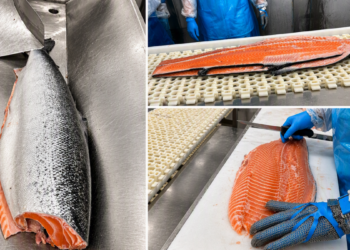
Salmon fillet on the processing line at Freezco Eesti in Tallinn

Freezco expands salmon processing for the italian market

by Davide Ciravolo
7 Settembre 2026

Freezco has expanded salmon processing for the Italian market through Freezco Eesti, a facility in Tallinn launched in May 2026....

Lascia un commento Annulla risposta

Il tuo indirizzo email non sarà pubblicato. I campi obbligatori sono contrassegnati *

Questo sito utilizza Akismet per ridurre lo spam. Scopri come vengono elaborati i dati derivati dai commenti.


Articoli più letti

  • 10 pesci costosi e prelibati
  • Le specie di sarago del Mediterraneo
  • Pesci con più e meno mercurio
  • Molva, una ricchezza del Mare del Nord
  • Molluschi bivalvi: descrizione e caratteristiche
  • Congelare il tonno in scatola
  • Gattuccio e palombo, gli squali buoni da mangiare
  • Triglia: caratteristiche e proprietà nutrizionali
  • Mangiare il tonno crudo: vantaggi e pericoli
  • Sgombro e lanzardo, pesce azzurro per il cuore
Pesceinrete

Pesceinrete è la testata giornalistica unica in Italia ad occuparsi di pesca commerciale ed acquacoltura. In quanto canale tematico e dai contenuti specializzati, si rivolge direttamente agli operatori della filiera con una comunicazione targettizzata che risponde alle esigenze del settore.

Segui le nostre pagine social

Stock images by Depositphotos

Newsletter

Categorie

  • News Ittico
  • Pesca
  • Acquacoltura
  • Associazioni di categoria
  • Sindacati
  • ONG
  • Tecnologia
  • Sostenibilità
  • Mercati
  • Eventi e Fiere
  • Overseas
  • Nutrizione e salute
  • Approfondimenti
  • Chi siamo
  • Policy editoriali
  • Partner
  • Contatti
  • Pubblicità
  • Newsletter
  • Mappa del sito

© 2026 INRETE S.R.L. P.Iva: 02557660814 - Pesceinrete - Il quotidiano del settore ittico | Credits

Pesceinrete
Gestisci Consenso

Usiamo cookie tecnici per far funzionare il sito, e cookie statistici (anche di terze parti) per capire come viene usato e migliorarlo. Puoi accettare tutto, rifiutare tutto o scegliere quali attivare — restando comunque libero di navigare senza restrizioni.

Funzionale Sempre attivo
L'archiviazione tecnica o l'accesso sono strettamente necessari al fine legittimo di consentire l'uso di un servizio specifico esplicitamente richiesto dall'abbonato o dall'utente, o al solo scopo di effettuare la trasmissione di una comunicazione su una rete di comunicazione elettronica.
Preferenze
L'archiviazione tecnica o l'accesso sono necessari per lo scopo legittimo di memorizzare le preferenze che non sono richieste dall'abbonato o dall'utente.
Statistiche
L'archiviazione tecnica o l'accesso che viene utilizzato esclusivamente per scopi statistici. L'archiviazione tecnica o l'accesso che viene utilizzato esclusivamente per scopi statistici anonimi. Senza un mandato di comparizione, una conformità volontaria da parte del vostro Fornitore di Servizi Internet, o ulteriori registrazioni da parte di terzi, le informazioni memorizzate o recuperate per questo scopo da sole non possono di solito essere utilizzate per l'identificazione.
Marketing
L'archiviazione tecnica o l'accesso sono necessari per creare profili di utenti per inviare pubblicità, o per tracciare l'utente su un sito web o su diversi siti web per scopi di marketing simili.
  • Gestisci opzioni
  • Gestisci servizi
  • Gestisci {vendor_count} fornitori
  • Per saperne di più su questi scopi
Personalizza
  • {title}
  • {title}
  • {title}
  • Home
  • Nutrizione e salute
  • Pesca
  • Acquacoltura
  • Approfondimenti
  • Tecnologia
  • Sostenibilità
  • Mercati
  • Overseas English NEW
  • Archivio
  • Chi siamo
  • Contatti
  • Partner
  • Pubblicità
  • Newsletter
Nessun Risultato
Vedi tutti i Risultati

© 2026 INRETE S.R.L. P.Iva: 02557660814 - Pesceinrete - Il quotidiano del settore ittico | Credits