• HOME
  • CHI SIAMO
  • CONTATTI
  • PARTNER
  • PUBBLICITÀ
  • NEWSLETTER
  • ARCHIVIO
    • Bandi e Opportunità
    • Speciali
    • Rubriche
    • Nutrizione e salute
    • Interviste
    • Video
mercoledì 16 Settembre, 2026
Pesceinrete
  • Pesca
  • Nutrizione e salute
  • Acquacoltura
    • Acquaponica
    • Algocoltura
  • Approfondimenti
  • Tecnologia
  • Sostenibilità
  • Mercati
  • OverseasNew
Nessun Risultato
Vedi tutti i Risultati
Pesceinrete
  • Pesca
  • Nutrizione e salute
  • Acquacoltura
    • Acquaponica
    • Algocoltura
  • Approfondimenti
  • Tecnologia
  • Sostenibilità
  • Mercati
  • OverseasNew
Nessun Risultato
Vedi tutti i Risultati
Pesceinrete
Nessun Risultato
Vedi tutti i Risultati

Home Overseas

10 Expensive Gourmet Fish (Part 2)

Rare, highly sought-after, and often tightly regulated: these five seafood icons show how the ocean can turn flavor into luxury.

Davide Ciravolo by Davide Ciravolo
26 Gennaio 2026
in Overseas
10 Expensive Gourmet Fish: Part 2

10 Expensive Gourmet Fish: Part 2

10 Expensive Gourmet Fish (Part 2)

The oceans are home to many rare and delicious delicacies—and when something is both rare and genuinely good, it often becomes expensive. In the first part of 10 Expensive Gourmet Fish (Part 1), we explored the main variables that can drive up the cost of a seafood species:

Rarity/availability
Strong market demand
Legal restrictions

Let’s quickly recap the species already listed:

10. Wild Sockeye salmon
9. Dover sole
8. Halibut
7. Chinook salmon
6. Yellowfin tuna (Ahi)

Without further ado, let’s continue with 10 Expensive Gourmet Fish (Part 2).

5. Swordfish
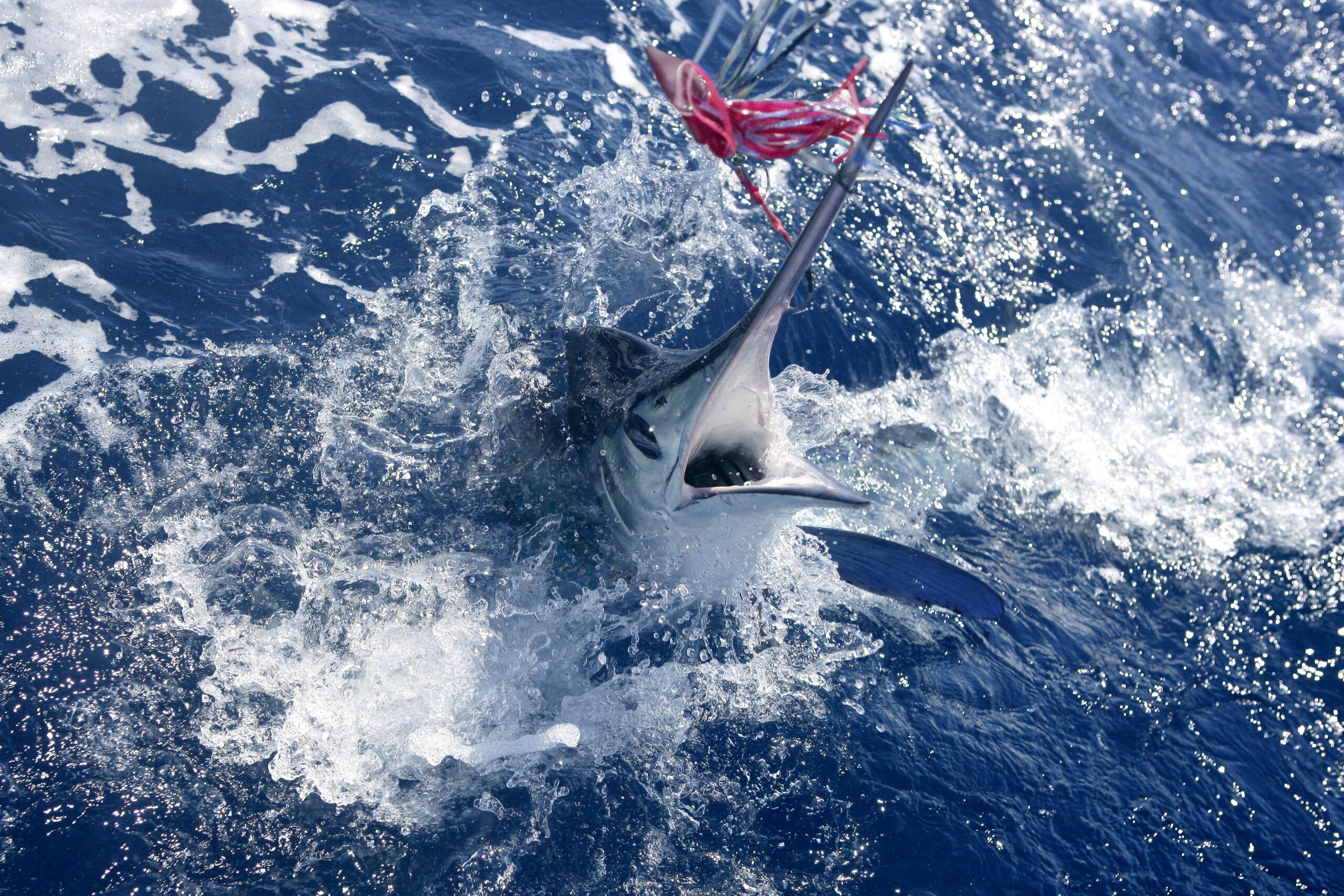
Swordfish
Swordfish

4. Alaska Wild King Salmon (Alaskan Wild King Salmon)

Alaska Wild King Salmon (Alaskan Wild King Salmon)

Technically, Alaska Wild King salmon and Chinook salmon are the same species. However, “Chinook” is often used more broadly and may refer to farmed fish or wild fish caught in the continental United States.

By contrast, Alaska Wild King salmon is almost always wild-caught Chinook, originating from Alaska’s pristine rivers and coastal waters. Because these fish have cleaner and less impacted habitats to roam and thrive in, they can grow larger than their counterparts from other regions.

Many diners prefer Alaska Wild King salmon to farmed Chinook due to Alaska’s cleaner environment. But higher demand for Alaska-caught wild Chinook can translate into a significant price difference—sometimes more than €20 per kg—and can exceed €70 per kg.

Why is it expensive?
A cleaner, wider natural environment can produce fish that are bigger and, for many consumers, better-tasting. The idea is similar to the difference between grass-fed or free-range beef and conventional beef: Alaska Wild King salmon is like a free-range or grass-fed cut. In addition, because it’s caught in Alaska, transportation costs can be high.

3. Pufferfish (Fugu)
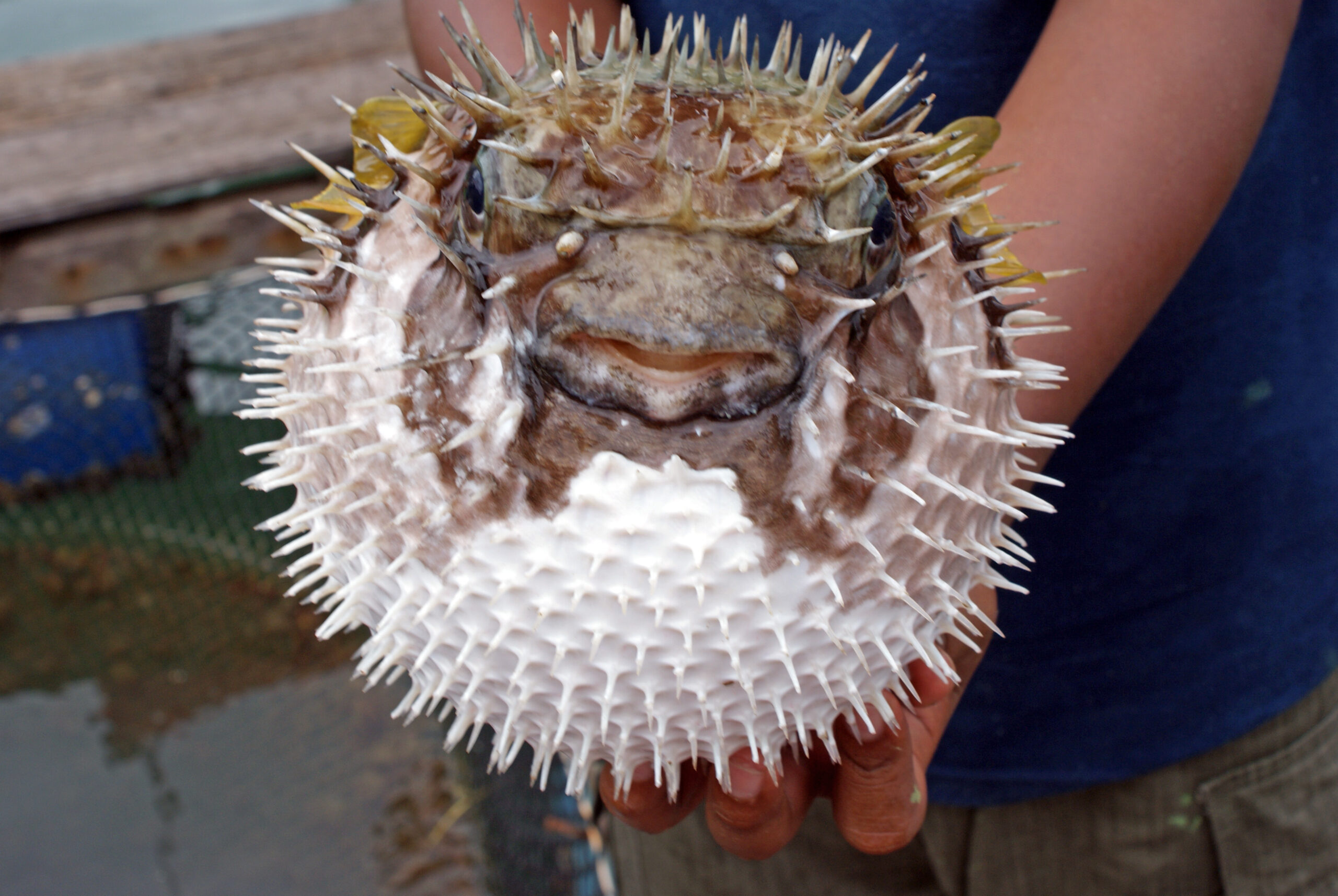
Pufferfish (Fugu)
Pufferfish (Fugu)

Pufferfish—also known as fugu—is one of the rarest and most expensive edible fish in the world. Unfortunately, it is also one of the most dangerous, because it contains potentially lethal toxins.

If prepared incorrectly, pufferfish toxin can kill a human in as little as four hours. In theory, that risk should make it one of the least desirable fish on the planet—but instead, it often increases curiosity and demand.

The world’s most skilled chefs know how to prepare fugu so it can be consumed safely. As a result, many adventurous diners are willing to try it.

In Italy, consumption has been prohibited since 1992. So where can you eat pufferfish (fugu) in Italy? The text notes that a restaurant in Milan holds a license to prepare it. To try this fish, you may need to be willing to spend up to €400 per kg.

Why is it expensive?
The logic is simple: fugu offers a distinctive, memorable taste that many find hard to describe—yet it can be deadly if mishandled. That mix of unique flavor and high risk makes fugu an experience some diners actively seek. Above all, the price reflects the highly specialized preparation required to make it safe.

2. American Eel (Anguilla rostrata)
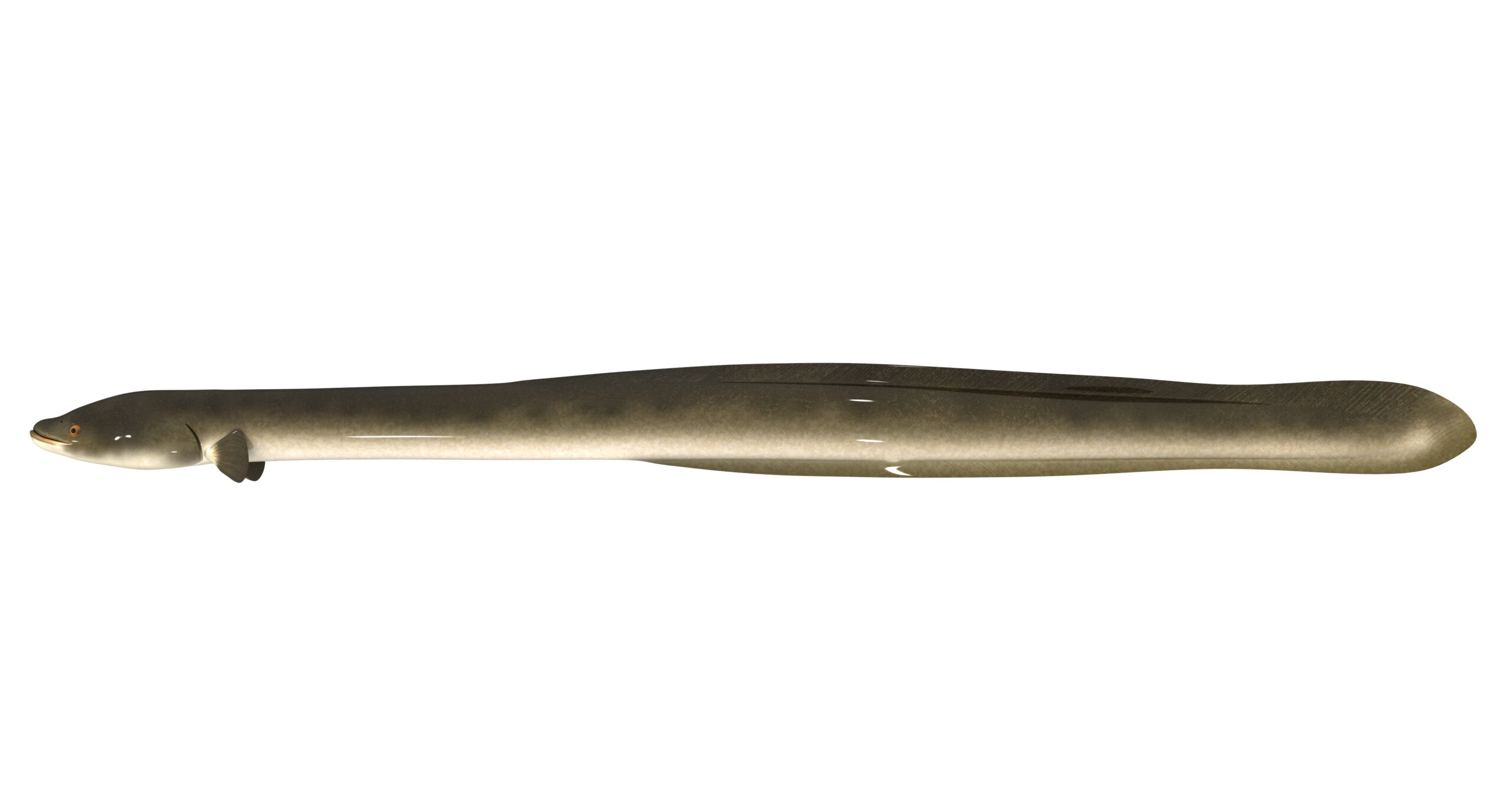
American Eel (Anguilla rostrata)

The American eel is native to the northeastern coasts of North America and is becoming increasingly rare.

In 2009, the price per kilogram of eels from Maine was around €200. From 2019 onward, the price fluctuated dramatically, at times reaching roughly €6,000 per kg.

Eel is not usually the first dish people imagine for an expensive gourmet seafood dinner—so why is the price of American eel so high?

Why is it expensive?
American eel is often compared to chicken in terms of flavor, and its sky-high price is linked to extreme scarcity. Illegal fishing has become a major problem, leading to strict catch restrictions and further inflating prices. This species can also grow quite large, occasionally reaching nearly two meters in length—one reason it is considered ideal for sushi.

1. Bluefin Tuna (Red Tuna)
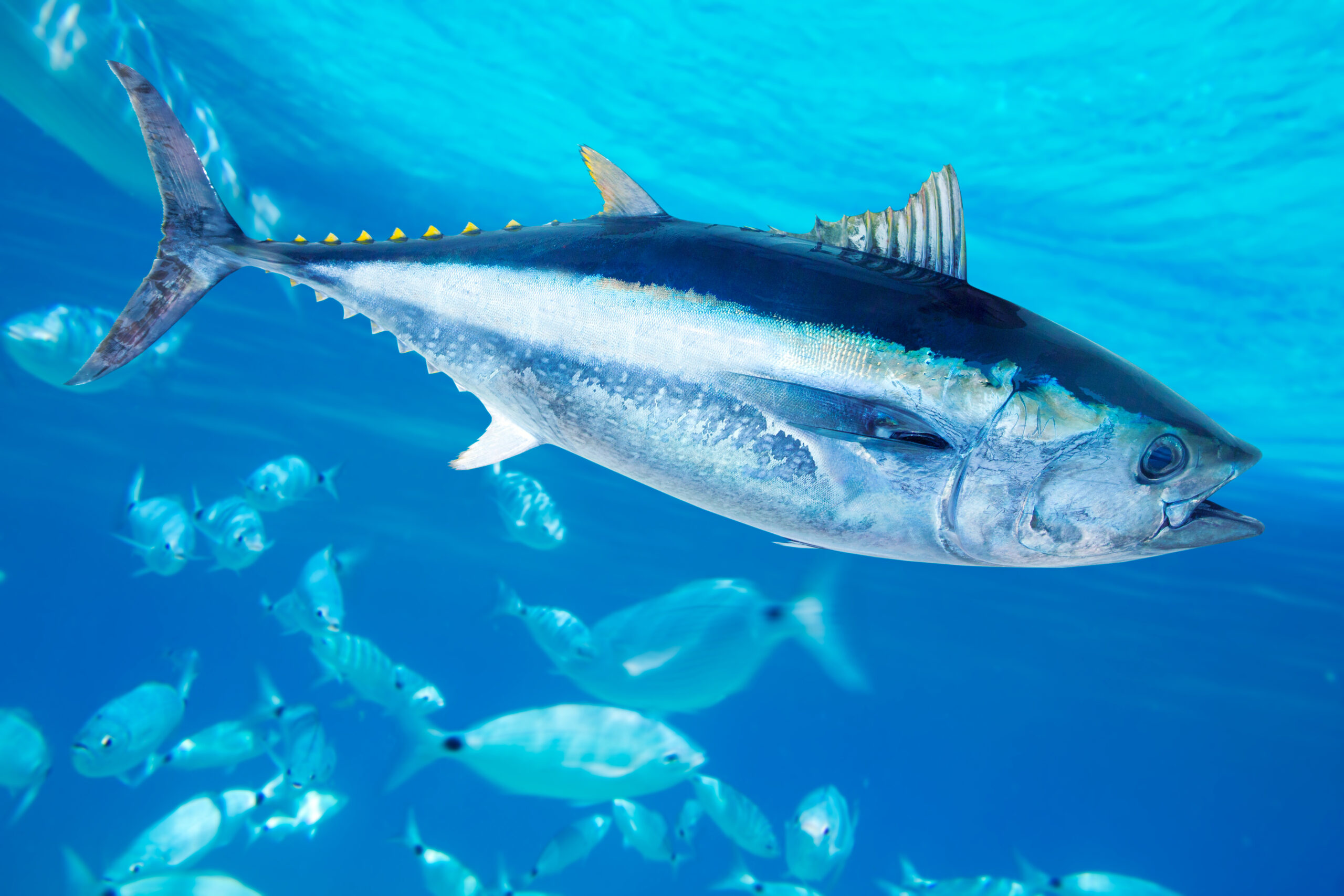
Bluefin Tuna (Red Tuna)

Bluefin tuna is described here as the most expensive edible fish on the planet. In 2019, an enormous bluefin tuna was reportedly sold for nearly €10,000 per kg.

This type of tuna is native to the North Atlantic Ocean and the Mediterranean Sea. However, the most expensive specimens are often found in the Pacific Ocean, off the coast of Japan.

Bluefin tuna is considered a delicacy not only for its distinctive flavor, but also because of its increasing rarity—though those are not the only reasons it can command such high prices.

Why is it expensive?
Bluefin tuna is among the most prized ingredients for sushi. Over time, it has built a strong international reputation, making it highly sought-after worldwide. It is not abundant—primarily due to overfishing and enormous demand. In addition, very large specimens have become increasingly rare over recent decades, making heavyweight catches exceptionally expensive.
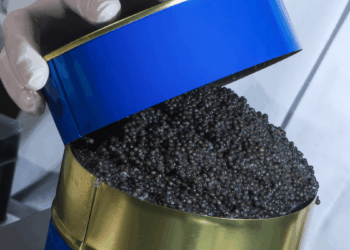
10 Expensive Gourmet Fish (Part 2)

Tags: alaska wild king salmonamerican eelAnguilla rostratabluefin tunachinook salmonexpensive fishfishing regulationsfugugourmet fishluxury seafoodpremium seafoodpufferfishseafood delicaciesseafood marketsushi ingredientssustainable fishingswordfishwild caught fish
CondividiTweetCondividiPinInviaCondividiInvia
Articolo precedente

Allarmismo mediatico e pesce sotto accusa: il caso Fedepesca apre un tema europeo

Prossimo articolo

India, pesca sotto pressione: cosa cambia per il commercio ittico globale

Davide Ciravolo

Davide Ciravolo

Autore Pesceinrete, retail ittico e mercati seafood Davide Ciravolo è autore Pesceinrete. Si occupa di mercati, distribuzione e scenari commerciali della filiera ittica, con particolare attenzione al rapporto tra prodotto, retail e consumi. La sua esperienza come ex buyer di Esselunga gli permette di osservare il settore seafood anche dal punto di vista della GDO e delle dinamiche di assortimento.

Articoli Correlati

Fishing vessel at sea as warmer ocean temperatures and El Niño shift fish distribution and fishing grounds

El Niño is set to become very strong. Warmer seas are redrawing the geography of fishing

by Luca Di Noto
15 Settembre 2026

What happens to fisheries when seas become warmer? Warmer seas do not simply mean fewer fish. They can change where...

Imported caviar at the centre of the European debate on origin transparency

Imported caviar, European aquaculture calls for clearer origin information

by Mariella Ballatore
11 Settembre 2026

Imported caviar from non-EU countries has become a test case in European aquaculture’s call for greater origin transparency. FEAP warns...

Italian seafood presented to buyers at Seafood Expo Asia in Singapore

From blue crab to red shrimp, buyers put Italy’s seafood supply chain to the test in Singapore

by Redazione
9 Settembre 2026

From blue crab seeking an industrial supply chain to traceable bivalve molluscs and red shrimp for fine dining, Italy is...

Salmon fillet on the processing line at Freezco Eesti in Tallinn

Freezco expands salmon processing for the italian market

by Davide Ciravolo
7 Settembre 2026

Freezco has expanded salmon processing for the Italian market through Freezco Eesti, a facility in Tallinn launched in May 2026....

Lascia un commento Annulla risposta

Il tuo indirizzo email non sarà pubblicato. I campi obbligatori sono contrassegnati *

Questo sito utilizza Akismet per ridurre lo spam. Scopri come vengono elaborati i dati derivati dai commenti.


Articoli più letti

  • 10 pesci costosi e prelibati
  • Le specie di sarago del Mediterraneo
  • Pesci con più e meno mercurio
  • Molva, una ricchezza del Mare del Nord
  • Molluschi bivalvi: descrizione e caratteristiche
  • Congelare il tonno in scatola
  • Gattuccio e palombo, gli squali buoni da mangiare
  • Triglia: caratteristiche e proprietà nutrizionali
  • Mangiare il tonno crudo: vantaggi e pericoli
  • Sgombro e lanzardo, pesce azzurro per il cuore
Pesceinrete

Pesceinrete è la testata giornalistica unica in Italia ad occuparsi di pesca commerciale ed acquacoltura. In quanto canale tematico e dai contenuti specializzati, si rivolge direttamente agli operatori della filiera con una comunicazione targettizzata che risponde alle esigenze del settore.

Segui le nostre pagine social

Stock images by Depositphotos

Newsletter

Categorie

  • News Ittico
  • Pesca
  • Acquacoltura
  • Associazioni di categoria
  • Sindacati
  • ONG
  • Tecnologia
  • Sostenibilità
  • Mercati
  • Eventi e Fiere
  • Overseas
  • Nutrizione e salute
  • Approfondimenti
  • Chi siamo
  • Policy editoriali
  • Partner
  • Contatti
  • Pubblicità
  • Newsletter
  • Mappa del sito

© 2026 INRETE S.R.L. P.Iva: 02557660814 - Pesceinrete - Il quotidiano del settore ittico | Credits

Pesceinrete
Gestisci Consenso

Usiamo cookie tecnici per far funzionare il sito, e cookie statistici (anche di terze parti) per capire come viene usato e migliorarlo. Puoi accettare tutto, rifiutare tutto o scegliere quali attivare — restando comunque libero di navigare senza restrizioni.

Funzionale Sempre attivo
L'archiviazione tecnica o l'accesso sono strettamente necessari al fine legittimo di consentire l'uso di un servizio specifico esplicitamente richiesto dall'abbonato o dall'utente, o al solo scopo di effettuare la trasmissione di una comunicazione su una rete di comunicazione elettronica.
Preferenze
L'archiviazione tecnica o l'accesso sono necessari per lo scopo legittimo di memorizzare le preferenze che non sono richieste dall'abbonato o dall'utente.
Statistiche
L'archiviazione tecnica o l'accesso che viene utilizzato esclusivamente per scopi statistici. L'archiviazione tecnica o l'accesso che viene utilizzato esclusivamente per scopi statistici anonimi. Senza un mandato di comparizione, una conformità volontaria da parte del vostro Fornitore di Servizi Internet, o ulteriori registrazioni da parte di terzi, le informazioni memorizzate o recuperate per questo scopo da sole non possono di solito essere utilizzate per l'identificazione.
Marketing
L'archiviazione tecnica o l'accesso sono necessari per creare profili di utenti per inviare pubblicità, o per tracciare l'utente su un sito web o su diversi siti web per scopi di marketing simili.
  • Gestisci opzioni
  • Gestisci servizi
  • Gestisci {vendor_count} fornitori
  • Per saperne di più su questi scopi
Personalizza
  • {title}
  • {title}
  • {title}
  • Home
  • Nutrizione e salute
  • Pesca
  • Acquacoltura
  • Approfondimenti
  • Tecnologia
  • Sostenibilità
  • Mercati
  • Overseas English NEW
  • Archivio
  • Chi siamo
  • Contatti
  • Partner
  • Pubblicità
  • Newsletter
Nessun Risultato
Vedi tutti i Risultati

© 2026 INRETE S.R.L. P.Iva: 02557660814 - Pesceinrete - Il quotidiano del settore ittico | Credits