• CHI SIAMO
  • CONTATTI
  • PARTNER
  • PUBBLICITÀ
  • NEWSLETTER
  • ARCHIVIO
    • Bandi e Opportunità
    • Speciali
    • Rubriche
    • Nutrizione e salute
    • Interviste
    • Video
lunedì 20 Aprile, 2026
Pesceinrete
  • Home
  • News
  • Pesca
  • Acquacoltura
    • Acquaponica
    • Algocoltura
  • Protagonisti
    • Aziende
    • Istituzioni
      • Europee
      • Nazionali
      • Regionali
    • Associazioni di categoria
      • Associazione Mediterranea Acquacoltori
      • Legacoop Agroalimentare
      • Assoittica Italia
      • Federpesca
      • PescaAgri-CIA
      • Unci AgroAlimentare
    • Sindacati
      • UILA Pesca
    • ONG
    • Consorzi e Cooperative
      • CIRSPE
  • Tecnologia
  • Sostenibilità
  • Mercati
  • Eventi
  • OverseasNew
Nessun Risultato
Vedi tutti i Risultati
Pesceinrete
  • Home
  • News
  • Pesca
  • Acquacoltura
    • Acquaponica
    • Algocoltura
  • Protagonisti
    • Aziende
    • Istituzioni
      • Europee
      • Nazionali
      • Regionali
    • Associazioni di categoria
      • Associazione Mediterranea Acquacoltori
      • Legacoop Agroalimentare
      • Assoittica Italia
      • Federpesca
      • PescaAgri-CIA
      • Unci AgroAlimentare
    • Sindacati
      • UILA Pesca
    • ONG
    • Consorzi e Cooperative
      • CIRSPE
  • Tecnologia
  • Sostenibilità
  • Mercati
  • Eventi
  • OverseasNew
Nessun Risultato
Vedi tutti i Risultati
Pesceinrete
Nessun Risultato
Vedi tutti i Risultati

Home Overseas

Climate Resilience: Why EU Conclusions Matter for the Seafood Industry

According to Planet Tracker, under a high-emissions scenario, climate change could cost the global fisheries sector up to $15 billion by 2050—a figure the authors describe as conservative, built on IPCC data and representing the lower end of a potentially larger impact.

Tiziana Indorato by Tiziana Indorato
17 Dicembre 2025
in Overseas
Climate Resilience Why EU Conclusions Matter for the Seafood Industry

Climate Resilience Why EU Conclusions Matter for the Seafood Industry

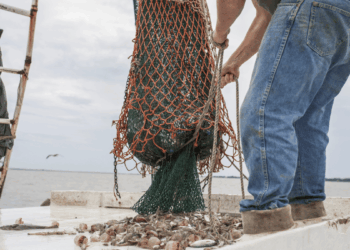
The conclusions of the EU Council on climate resilience are not staying on paper: they are strongly confirmed by data and real-world cases. A recent Planet Tracker report, supported by scientific evidence referenced by the IPCC, shows how climate change is already becoming a financial risk for fisheries, aquaculture and seafood processing. Climate change is no longer only an environmental issue; it is increasingly a concrete economic and financial challenge for the global seafood industry, as demonstrated by data, case studies and scenario-based projections.

According to Planet Tracker, under a high-emissions scenario, climate change could cost the global fisheries sector up to $15 billion by 2050—a figure the authors describe as conservative, built on IPCC data and representing the lower end of a potentially larger impact. Extreme weather is already causing lost fishing days, damaged gear and operational disruptions, while slower structural pressures—ocean warming, deoxygenation, acidification and sea level rise—are reshaping marine ecosystems in ways that reinforce one another. The report also highlights how shifts in species distribution are affecting seafood prices: reduced catches and quota revisions translate into rising costs absorbed by companies, with ripple effects across processing, distribution and consumption. Even under low-emissions scenarios, more than half of transboundary stocks could move from exclusive economic zones to the high seas by 2050.

Planet Tracker’s estimate may still understate the real exposure. Gorjan Nikolik (Rabobank) argues that for an industry generating over $500 billion in annual value, a $15 billion loss seems relatively limited; other analyses, including from the University of Cambridge, point to annual losses between $17 and $41 billion. The report’s examples underline that value is already being lost: declining cod and flounder stocks in warming waters, the Baltic Sea crisis linked to deoxygenation, and rising costs for oyster production in the north-western Pacific driven by acidification. Aquaculture is also impacted as warmer waters increase stress, support the spread of parasites and disease, and make mass mortality events more frequent. Climate variability such as El Niño is already affecting fishmeal and fish oil production in key regions like Peru, driving up feed costs and putting pressure on the entire value chain.

The report asks a decisive question: financially, is it better to maintain the status quo or invest now in adaptation? Planet Tracker’s answer is clear—long-term resilience does not come from delaying decisions, but from building adaptive capacity today. Climate change is turning physical risks into financial risks: ports, facilities, concessions and business models built on outdated environmental conditions may lose value. For the seafood sector, the message is direct: adaptation is not optional—it is a requirement for the economic stability of the value chain in the decades ahead.

For more insights on the future of Italian fisheries and the blue economy, follow ongoing coverage and analysis on Pesceinrete.
NEWSLETTER

Tags: Aquacultureclimate changeclimate resiliencefinancial riskfisheriesIPCCocean warmingPlanet Trackerseafood processing
CondividiTweetCondividiPinInviaCondividiInvia
Articolo precedente

Il conto del clima arriva anche sull’ittico: non adattarsi costerà miliardi

Prossimo articolo

Skretting Italia tra innovazione sostenibile e responsabilità di filiera

Tiziana Indorato

Tiziana Indorato

Articoli Correlati

EU maritime spatial planning and fisheries

EU maritime spatial planning and fisheries

by Alice Giacalone
17 Aprile 2026

Maritime spatial planning in the European Union is back at the center of the political agenda, with a message that...

Libya Fisheries Strategy: GFCM Visit Signals Blue Economy Shift

Libya fisheries strategy: GFCM visit signals Blue Economy shift

by Gaspare Bilardello
16 Aprile 2026

The Libya fisheries strategy GFCM visit marks a decisive step in the country’s transition toward a modern and sustainable blue...

Zwara Fishing Expo 2026: Libya’s Blue Economy Shift

Zwara Fishing Expo 2026: Libya’s Blue Economy Shift

by Gaspare Bilardello
14 Aprile 2026

In June 2026, the Zwara Fishing & Maritime Investment Expo marks a turning point in Libya’s fisheries sector, signaling a...

Trapline enters Italy’s swordfish fishery: why this trial matters

Trapline enters Italy’s swordfish fishery: why this trial matters

by Davide Ciravolo
13 Aprile 2026

There is one development that risks going largely unnoticed, yet it could carry real weight for the future of swordfish...

Prossimo articolo
Skretting Italia

Skretting Italia tra innovazione sostenibile e responsabilità di filiera

Lascia un commento Annulla risposta

Il tuo indirizzo email non sarà pubblicato. I campi obbligatori sono contrassegnati *

Questo sito utilizza Akismet per ridurre lo spam. Scopri come vengono elaborati i dati derivati dai commenti.

Categorie articoli


Newsletter

Pesceinrete

Pesceinrete è la testata giornalistica unica in Italia ad occuparsi di pesca commerciale ed acquacoltura.
In quanto canale tematico e dai contenuti specializzati, si rivolge direttamente agli operatori della filiera con una comunicazione targettizzata che risponde alle esigenze del settore.

Categorie

  • Pesca
  • Acquacoltura
  • Eventi e Fiere
  • Mercati
  • Sostenibilità
  • Tecnologia

Segui le nostre pagine social

Stock images by Depositphotos

  • Chi siamo
  • PARTNER
  • Contatti
  • Pubblicità
  • Newsletter

© 2023 INRETE S.R.L. P.Iva: 02557660814 - Pesceinrete- il quotidiano del settore ittico | Web design by Motion Head

  • Home
  • News
  • Pesca
  • Acquacoltura
  • Protagonisti
  • Tecnologia
  • Sostenibilità
  • Mercati
  • Eventi e Fiere
  • Overseas English NEW
  • Archivio
  • Chi siamo
  • Contatti
  • Partner
  • Pubblicità
  • Newsletter
Nessun Risultato
Vedi tutti i Risultati

© 2023 INRETE S.R.L. P.Iva: 02557660814 - Pesceinrete- il quotidiano del settore ittico | Web design by Motion Head