• HOME
  • CHI SIAMO
  • CONTATTI
  • PARTNER
  • PUBBLICITÀ
  • NEWSLETTER
  • ARCHIVIO
    • Bandi e Opportunità
    • Speciali
    • Rubriche
    • Nutrizione e salute
    • Interviste
    • Video
martedì 15 Settembre, 2026
Pesceinrete
  • Pesca
  • Nutrizione e salute
  • Acquacoltura
    • Acquaponica
    • Algocoltura
  • Approfondimenti
  • Tecnologia
  • Sostenibilità
  • Mercati
  • OverseasNew
Nessun Risultato
Vedi tutti i Risultati
Pesceinrete
  • Pesca
  • Nutrizione e salute
  • Acquacoltura
    • Acquaponica
    • Algocoltura
  • Approfondimenti
  • Tecnologia
  • Sostenibilità
  • Mercati
  • OverseasNew
Nessun Risultato
Vedi tutti i Risultati
Pesceinrete
Nessun Risultato
Vedi tutti i Risultati

Home Overseas

EU Tightens Rules on Brine-Freezing for Tuna Safety

From January 2026, only vessels with validated –18 °C brine-freezing systems will be authorised to place tuna on the EU market, raising safety and technological standards across the global supply chain.

Davide Ciravolo by Davide Ciravolo
13 Novembre 2025
in Overseas
EU Tightens Rules on Brine-Freezing for Tuna Safety

EU Tightens Rules on Brine-Freezing for Tuna Safety

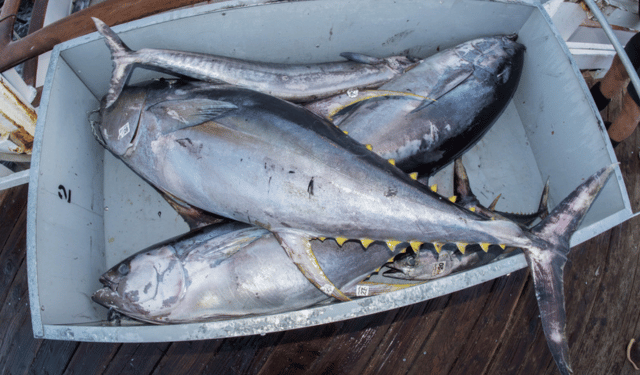
The new EU regulation on brine freezing marks a decisive turning point for food safety and the competitiveness of the European fleet. With the adoption of Delegated Regulation (EU) 2025/1449, the European Commission has amended Annex III of Regulation (EC) 853/2004, introducing stricter requirements for purse seiners using brine-freezing systems. Starting 27 January 2026, only vessels capable of ensuring a continuous, validated freezing process at –18 °C will be allowed to place tuna on the EU market.
The measure, published in the Official Journal on 29 October 2025, represents a concrete acknowledgment of the technological investments made by European operators.

Real-time monitoring and certified vessels

The new legislative framework requires continuous electronic monitoring of brine temperature. These data must be accessible to competent authorities to guarantee traceability and compliance. Only approved vessels equipped with compliant freezing systems will be listed on the EU’s authorized register.
The objective is to eliminate fraudulent practices involving the refreezing of tuna—often associated with high histamine levels. The European Commission acted after years of inspections and RASFF (Rapid Alert System for Food and Feed) notifications highlighting health risks linked to improperly treated fish.

A recognition for the European fleet

The regulation rewards the European fleet, which has long implemented freezing and control procedures exceeding minimum international standards. Its adoption strengthens operators that have invested in innovation, digital systems and verifiable quality processes.
For the first time, the EU is aligning market access with the technological and safety levels required of its own operators, establishing a global reference model.

Economic and health impact

Full implementation of the regulation will naturally reshape the international tuna market. Non-EU fleets will have to meet the same requirements to export to the Union. This will raise overall product quality and reduce consumer risks.
The Commission’s focus on histamine hazards and labelling fraud demonstrates its commitment to public health while safeguarding responsible businesses.

Toward a more transparent and competitive market

The new EU regulation on brine freezing strengthens consumer trust and enhances the reputation of European-caught tuna. Clear requirements and validated vessel processes will enable more effective controls and greater transparency along the entire supply chain.
Europe thus reaffirms its leadership in the governance of frozen seafood products, consolidating coherence between safety, sustainability and industrial innovation.

Europêche welcomed the adoption of the Regulation, emphasizing how it rewards the technological and sanitary excellence already achieved by the European fleet.

Stay updated with the most relevant news in the seafood industry—subscribe to our weekly newsletter.
NEWSLETTER

Tags: brine freezing systemsEU brine freezing regulationEU tuna market rulesEuropean tuna fleetfood safety compliancehistamine risk seafoodpurse seiner requirementsRegulation EU 2025/1449seafood regulation 2026tuna freezing standards
CondividiTweetCondividiPinInviaCondividiInvia
Articolo precedente

Nuove norme UE per il controllo della pesca

Prossimo articolo

Coldiretti, da tavolo tecnico ittico impegno comune per sostenere flotte Tirreno e Adriatico

Davide Ciravolo

Davide Ciravolo

Autore Pesceinrete, retail ittico e mercati seafood Davide Ciravolo è autore Pesceinrete. Si occupa di mercati, distribuzione e scenari commerciali della filiera ittica, con particolare attenzione al rapporto tra prodotto, retail e consumi. La sua esperienza come ex buyer di Esselunga gli permette di osservare il settore seafood anche dal punto di vista della GDO e delle dinamiche di assortimento.

Articoli Correlati

Fishing vessel at sea as warmer ocean temperatures and El Niño shift fish distribution and fishing grounds

El Niño is set to become very strong. Warmer seas are redrawing the geography of fishing

by Luca Di Noto
15 Settembre 2026

What happens to fisheries when seas become warmer? Warmer seas do not simply mean fewer fish. They can change where...

Imported caviar at the centre of the European debate on origin transparency

Imported caviar, European aquaculture calls for clearer origin information

by Mariella Ballatore
11 Settembre 2026

Imported caviar from non-EU countries has become a test case in European aquaculture’s call for greater origin transparency. FEAP warns...

Italian seafood presented to buyers at Seafood Expo Asia in Singapore

From blue crab to red shrimp, buyers put Italy’s seafood supply chain to the test in Singapore

by Redazione
9 Settembre 2026

From blue crab seeking an industrial supply chain to traceable bivalve molluscs and red shrimp for fine dining, Italy is...

Salmon fillet on the processing line at Freezco Eesti in Tallinn

Freezco expands salmon processing for the italian market

by Davide Ciravolo
7 Settembre 2026

Freezco has expanded salmon processing for the Italian market through Freezco Eesti, a facility in Tallinn launched in May 2026....

Lascia un commento Annulla risposta

Il tuo indirizzo email non sarà pubblicato. I campi obbligatori sono contrassegnati *

Questo sito utilizza Akismet per ridurre lo spam. Scopri come vengono elaborati i dati derivati dai commenti.


Articoli più letti

  • 10 pesci costosi e prelibati
  • Le specie di sarago del Mediterraneo
  • Pesci con più e meno mercurio
  • Molva, una ricchezza del Mare del Nord
  • Molluschi bivalvi: descrizione e caratteristiche
  • Congelare il tonno in scatola
  • Gattuccio e palombo, gli squali buoni da mangiare
  • Triglia: caratteristiche e proprietà nutrizionali
  • Mangiare il tonno crudo: vantaggi e pericoli
  • Sgombro e lanzardo, pesce azzurro per il cuore
Pesceinrete

Pesceinrete è la testata giornalistica unica in Italia ad occuparsi di pesca commerciale ed acquacoltura. In quanto canale tematico e dai contenuti specializzati, si rivolge direttamente agli operatori della filiera con una comunicazione targettizzata che risponde alle esigenze del settore.

Segui le nostre pagine social

Stock images by Depositphotos

Newsletter

Categorie

  • News Ittico
  • Pesca
  • Acquacoltura
  • Associazioni di categoria
  • Sindacati
  • ONG
  • Tecnologia
  • Sostenibilità
  • Mercati
  • Eventi e Fiere
  • Overseas
  • Nutrizione e salute
  • Approfondimenti
  • Chi siamo
  • Policy editoriali
  • Partner
  • Contatti
  • Pubblicità
  • Newsletter
  • Mappa del sito

© 2026 INRETE S.R.L. P.Iva: 02557660814 - Pesceinrete - Il quotidiano del settore ittico | Credits

Pesceinrete
Gestisci Consenso

Usiamo cookie tecnici per far funzionare il sito, e cookie statistici (anche di terze parti) per capire come viene usato e migliorarlo. Puoi accettare tutto, rifiutare tutto o scegliere quali attivare — restando comunque libero di navigare senza restrizioni.

Funzionale Sempre attivo
L'archiviazione tecnica o l'accesso sono strettamente necessari al fine legittimo di consentire l'uso di un servizio specifico esplicitamente richiesto dall'abbonato o dall'utente, o al solo scopo di effettuare la trasmissione di una comunicazione su una rete di comunicazione elettronica.
Preferenze
L'archiviazione tecnica o l'accesso sono necessari per lo scopo legittimo di memorizzare le preferenze che non sono richieste dall'abbonato o dall'utente.
Statistiche
L'archiviazione tecnica o l'accesso che viene utilizzato esclusivamente per scopi statistici. L'archiviazione tecnica o l'accesso che viene utilizzato esclusivamente per scopi statistici anonimi. Senza un mandato di comparizione, una conformità volontaria da parte del vostro Fornitore di Servizi Internet, o ulteriori registrazioni da parte di terzi, le informazioni memorizzate o recuperate per questo scopo da sole non possono di solito essere utilizzate per l'identificazione.
Marketing
L'archiviazione tecnica o l'accesso sono necessari per creare profili di utenti per inviare pubblicità, o per tracciare l'utente su un sito web o su diversi siti web per scopi di marketing simili.
  • Gestisci opzioni
  • Gestisci servizi
  • Gestisci {vendor_count} fornitori
  • Per saperne di più su questi scopi
Personalizza
  • {title}
  • {title}
  • {title}
  • Home
  • Nutrizione e salute
  • Pesca
  • Acquacoltura
  • Approfondimenti
  • Tecnologia
  • Sostenibilità
  • Mercati
  • Overseas English NEW
  • Archivio
  • Chi siamo
  • Contatti
  • Partner
  • Pubblicità
  • Newsletter
Nessun Risultato
Vedi tutti i Risultati

© 2026 INRETE S.R.L. P.Iva: 02557660814 - Pesceinrete - Il quotidiano del settore ittico | Credits