• HOME
  • CHI SIAMO
  • CONTATTI
  • PARTNER
  • PUBBLICITÀ
  • NEWSLETTER
  • ARCHIVIO
    • Bandi e Opportunità
    • Speciali
    • Rubriche
    • Nutrizione e salute
    • Interviste
    • Video
martedì 15 Settembre, 2026
Pesceinrete
  • Pesca
  • Nutrizione e salute
  • Acquacoltura
    • Acquaponica
    • Algocoltura
  • Approfondimenti
  • Tecnologia
  • Sostenibilità
  • Mercati
  • OverseasNew
Nessun Risultato
Vedi tutti i Risultati
Pesceinrete
  • Pesca
  • Nutrizione e salute
  • Acquacoltura
    • Acquaponica
    • Algocoltura
  • Approfondimenti
  • Tecnologia
  • Sostenibilità
  • Mercati
  • OverseasNew
Nessun Risultato
Vedi tutti i Risultati
Pesceinrete
Nessun Risultato
Vedi tutti i Risultati

Home Overseas

Mediterranean Red Mullet: a humble fish that tells the story of the sea

From popular cuisine to European fishing rules, the Mediterranean red mullet is a fish that combines gastronomic tradition, nutritional values, and ecological balance.

Alice Giacalone by Alice Giacalone
27 Agosto 2025
in Overseas
Mediterranean Red Mullet a humble fish that tells the story of the sea

Mediterranean Red Mullet a humble fish that tells the story of the sea

It is one of the rare species that manages to be both a popular staple and a refined ingredient for haute cuisine. For centuries, red mullet has appeared in coastal markets, fried in taverns or elevated in fine dining dishes. Its reputation does not depend on size or high commercial value compared to more prized species, but on the perfect mix of delicate flesh, quick cooking, and unmistakable flavor. It is one of those products that carry the taste of the sea even to those who only know it from the plate.

Nutritional values: light yet substantial

From a nutritional standpoint, red mullet belongs to the category of lean fish, with about 123 kcal per 100 g (raw) and a high protein content. It is a good source of phosphorus, selenium, zinc, and vitamin B12. While it is not marketed as a trendy “superfood,” red mullet is a balanced raw material, perfectly suited to the Mediterranean diet as well as modern menus.

Two species, two stories

The most common species are Mullus barbatus, known as the “striped red mullet” or “surmullet,” and Mullus surmuletus, called the “rock red mullet.” The first inhabits sandy and muddy bottoms, often beyond 200 meters depth; the second prefers mixed or rocky seabeds closer to the coast and is recognizable by its yellow stripes along the flanks. At the table, differences are subtle, but markets often value the “rock mullet” more, thanks to its stronger aroma and evocative name.

From frying to fish stew: culinary versatility

The unifying feature of red mullet recipes is speed. This fish does not tolerate long cooking or complex preparations. Fried whole, oven-baked with breadcrumbs and herbs, or simmered in tomato and caper stew, it always preserves its bold character. Across Italy, it plays a central role in traditional recipes: Tuscan cacciucco, Sicilian zuppa di pesce alla trapanese, and mixed Adriatic fry-ups. Chefs choose it not for luxury, but for authentic Mediterranean flavor.

Anatomy and feeding behavior

Red mullet has a slim body, reddish-pink color, pale belly, and two barbels under the chin. These sensory barbels make it unique: the fish uses them to probe the seabed, detecting textures and movements invisible to the human eye, feeding on crustaceans, marine worms, and small mollusks. This benthic diet directly explains the intensity of its flavor.

Distribution and ecological role

Red mullet is found throughout the Mediterranean and the eastern Atlantic. Mullus barbatus lives down to 300 meters, while Mullus surmuletus stays closer to the coast. Both play an essential ecological role: by stirring sediment, they recycle nutrients and also serve as prey for larger predatory fish. In short, they are key players in the ecological balance linking seabed, coastal areas, and the marine food chain.

Reproduction and fishing rules

Red mullet’s reproductive cycle occurs between spring and summer, with peaks between May and July for M. surmuletus. Eggs and larvae are pelagic, carried by marine currents. In commercial fishing, the key rule is the minimum conservation size: 11 cm total length in the Mediterranean, as set by Regulation (EC) 1967/2006. Far from being a bureaucratic detail, this rule ensures juveniles are not harvested too early, protecting both the resource and the reputation of the supply chain.

More than an ingredient: a piece of Mediterranean culture

The Mediterranean red mullet is more than just a fish. It is part of cultural identity, an ecological actor, and a symbol of popular cuisine that has stood the test of time. Knowing its biology, nutritional values, and fishing regulations allows us to truly appreciate it — turning a “humble” fish into a story of sea, cuisine, and sustainability.

Subscribe to Pesceinrete’s weekly newsletter to receive exclusive news from the seafood industry.
NEWSLETTER

Tags: Mediterranean Red Mullet: a humble fish that tells the story of the sea
CondividiTweetCondividiPinInviaCondividiInvia
Articolo precedente

Seafood Expo Global 2026: debutta a Barcellona il padiglione dedicato all’innovazione in acquacoltura

Prossimo articolo

EUMOFA: acciuga conservata, specchio della filiera mediterranea

Alice Giacalone

Alice Giacalone

Autrice Pesceinrete Alice Giacalone scrive per Pesceinrete occupandosi di attualità, imprese, mercati e scenari della filiera ittica. Nei suoi contributi segue l’evoluzione del settore seafood con attenzione ai temi che incidono sul lavoro degli operatori, dalla pesca all’acquacoltura, dalla sostenibilità alle dinamiche commerciali.

Articoli Correlati

Fishing vessel at sea as warmer ocean temperatures and El Niño shift fish distribution and fishing grounds

El Niño is set to become very strong. Warmer seas are redrawing the geography of fishing

by Luca Di Noto
15 Settembre 2026

What happens to fisheries when seas become warmer? Warmer seas do not simply mean fewer fish. They can change where...

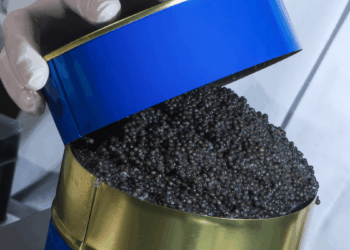
Imported caviar at the centre of the European debate on origin transparency

Imported caviar, European aquaculture calls for clearer origin information

by Mariella Ballatore
11 Settembre 2026

Imported caviar from non-EU countries has become a test case in European aquaculture’s call for greater origin transparency. FEAP warns...

Italian seafood presented to buyers at Seafood Expo Asia in Singapore

From blue crab to red shrimp, buyers put Italy’s seafood supply chain to the test in Singapore

by Redazione
9 Settembre 2026

From blue crab seeking an industrial supply chain to traceable bivalve molluscs and red shrimp for fine dining, Italy is...

Salmon fillet on the processing line at Freezco Eesti in Tallinn

Freezco expands salmon processing for the italian market

by Davide Ciravolo
7 Settembre 2026

Freezco has expanded salmon processing for the Italian market through Freezco Eesti, a facility in Tallinn launched in May 2026....

Lascia un commento Annulla risposta

Il tuo indirizzo email non sarà pubblicato. I campi obbligatori sono contrassegnati *

Questo sito utilizza Akismet per ridurre lo spam. Scopri come vengono elaborati i dati derivati dai commenti.


Articoli più letti

  • 10 pesci costosi e prelibati
  • Le specie di sarago del Mediterraneo
  • Pesci con più e meno mercurio
  • Molva, una ricchezza del Mare del Nord
  • Molluschi bivalvi: descrizione e caratteristiche
  • Congelare il tonno in scatola
  • Gattuccio e palombo, gli squali buoni da mangiare
  • Triglia: caratteristiche e proprietà nutrizionali
  • Mangiare il tonno crudo: vantaggi e pericoli
  • Sgombro e lanzardo, pesce azzurro per il cuore
Pesceinrete

Pesceinrete è la testata giornalistica unica in Italia ad occuparsi di pesca commerciale ed acquacoltura. In quanto canale tematico e dai contenuti specializzati, si rivolge direttamente agli operatori della filiera con una comunicazione targettizzata che risponde alle esigenze del settore.

Segui le nostre pagine social

Stock images by Depositphotos

Newsletter

Categorie

  • News Ittico
  • Pesca
  • Acquacoltura
  • Associazioni di categoria
  • Sindacati
  • ONG
  • Tecnologia
  • Sostenibilità
  • Mercati
  • Eventi e Fiere
  • Overseas
  • Nutrizione e salute
  • Approfondimenti
  • Chi siamo
  • Policy editoriali
  • Partner
  • Contatti
  • Pubblicità
  • Newsletter
  • Mappa del sito

© 2026 INRETE S.R.L. P.Iva: 02557660814 - Pesceinrete - Il quotidiano del settore ittico | Credits

Pesceinrete
Gestisci Consenso

Usiamo cookie tecnici per far funzionare il sito, e cookie statistici (anche di terze parti) per capire come viene usato e migliorarlo. Puoi accettare tutto, rifiutare tutto o scegliere quali attivare — restando comunque libero di navigare senza restrizioni.

Funzionale Sempre attivo
L'archiviazione tecnica o l'accesso sono strettamente necessari al fine legittimo di consentire l'uso di un servizio specifico esplicitamente richiesto dall'abbonato o dall'utente, o al solo scopo di effettuare la trasmissione di una comunicazione su una rete di comunicazione elettronica.
Preferenze
L'archiviazione tecnica o l'accesso sono necessari per lo scopo legittimo di memorizzare le preferenze che non sono richieste dall'abbonato o dall'utente.
Statistiche
L'archiviazione tecnica o l'accesso che viene utilizzato esclusivamente per scopi statistici. L'archiviazione tecnica o l'accesso che viene utilizzato esclusivamente per scopi statistici anonimi. Senza un mandato di comparizione, una conformità volontaria da parte del vostro Fornitore di Servizi Internet, o ulteriori registrazioni da parte di terzi, le informazioni memorizzate o recuperate per questo scopo da sole non possono di solito essere utilizzate per l'identificazione.
Marketing
L'archiviazione tecnica o l'accesso sono necessari per creare profili di utenti per inviare pubblicità, o per tracciare l'utente su un sito web o su diversi siti web per scopi di marketing simili.
  • Gestisci opzioni
  • Gestisci servizi
  • Gestisci {vendor_count} fornitori
  • Per saperne di più su questi scopi
Personalizza
  • {title}
  • {title}
  • {title}
  • Home
  • Nutrizione e salute
  • Pesca
  • Acquacoltura
  • Approfondimenti
  • Tecnologia
  • Sostenibilità
  • Mercati
  • Overseas English NEW
  • Archivio
  • Chi siamo
  • Contatti
  • Partner
  • Pubblicità
  • Newsletter
Nessun Risultato
Vedi tutti i Risultati

© 2026 INRETE S.R.L. P.Iva: 02557660814 - Pesceinrete - Il quotidiano del settore ittico | Credits