• HOME
  • CHI SIAMO
  • CONTATTI
  • PARTNER
  • PUBBLICITÀ
  • NEWSLETTER
  • ARCHIVIO
    • Bandi e Opportunità
    • Speciali
    • Rubriche
    • Nutrizione e salute
    • Interviste
    • Video
giovedì 15 Ottobre, 2026
Pesceinrete
  • Pesca
  • Nutrizione e salute
  • Acquacoltura
    • Acquaponica
    • Algocoltura
  • Tecnologia
  • Sostenibilità
  • Mercati
  • Overseas
  • Guida BuyerNew
Nessun Risultato
Vedi tutti i Risultati
Pesceinrete
  • Pesca
  • Nutrizione e salute
  • Acquacoltura
    • Acquaponica
    • Algocoltura
  • Tecnologia
  • Sostenibilità
  • Mercati
  • Overseas
  • Guida BuyerNew
Nessun Risultato
Vedi tutti i Risultati
Pesceinrete
Nessun Risultato
Vedi tutti i Risultati

Home Overseas

Norwegian salmon: the model winning over global markets

From research and new farming technologies to rising consumption in Italy, Norwegian salmon reflects the evolution of an aquaculture industry built around control, traceability and the ability to respond to changing food habits.

Redazione by Redazione
21 Settembre 2026
in Overseas
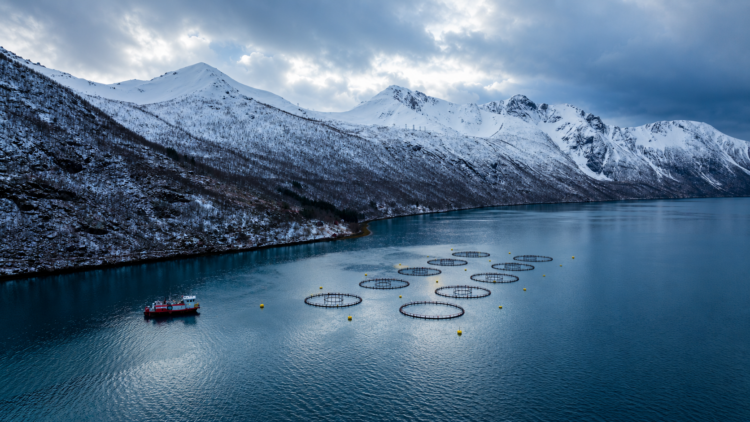
Salmon aquaculture facility in a Norwegian fjord

Norwegian aquaculture continues to invest in technology, monitoring and new production solutions to improve control over fish farming operations. Photo: Norwegian Seafood Council.

From sushi restaurants to home cooking, Norwegian salmon has become firmly established in the eating habits of millions of consumers. Its international success also tells the story of Norwegian aquaculture, which over more than fifty years has transformed research, technology and knowledge of the sea into a production system capable of meeting growing global demand.

Norway today accounts for more than half of the world’s farmed Atlantic salmon production and remains one of the main international reference points for aquaculture. This position has been built over decades through specialised expertise and continued investment aimed at making farming more controlled and efficient while addressing environmental and fish-welfare challenges.
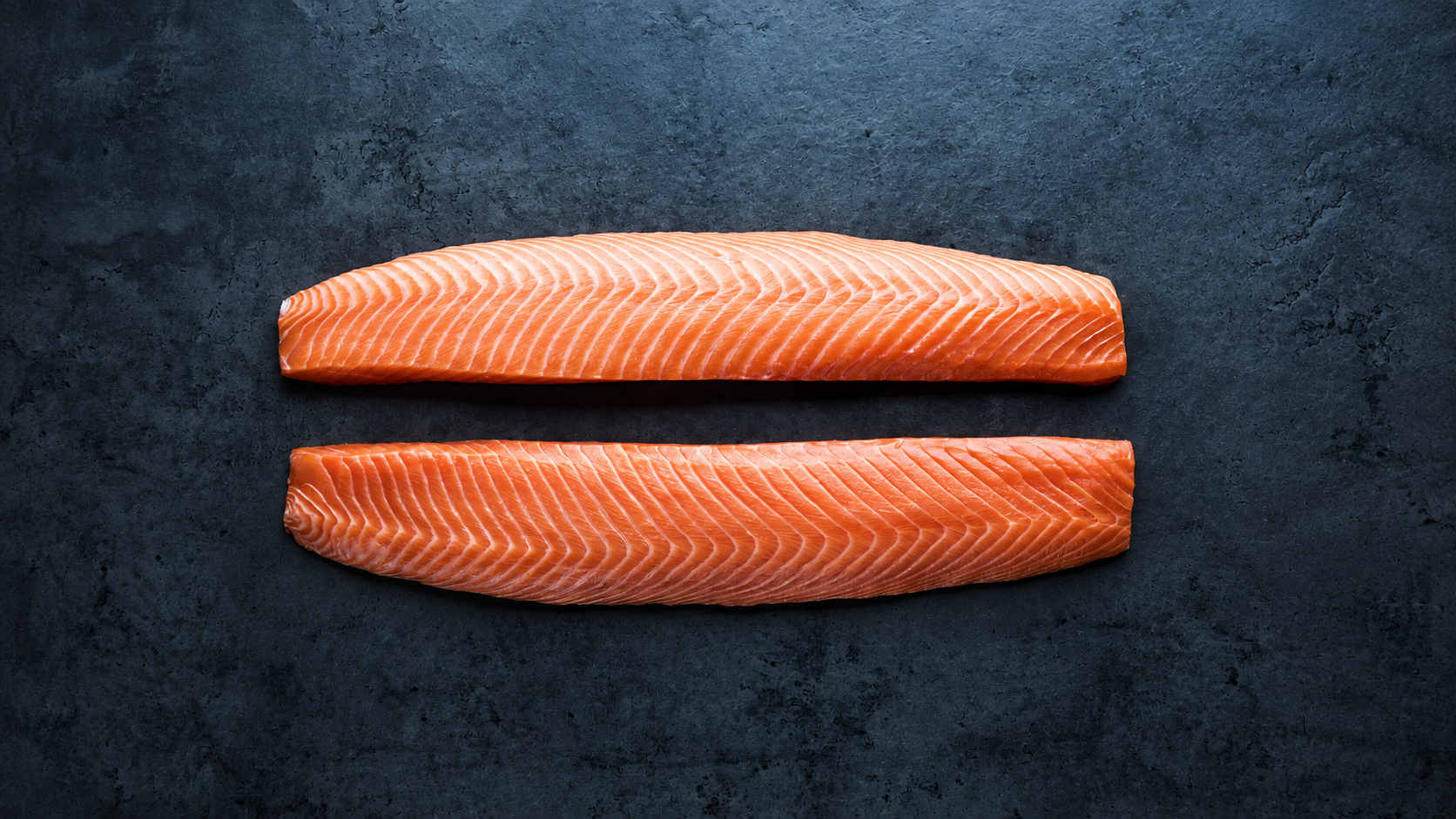
Norwegian salmon fillets and Norwegian salmon aquaculture
Norwegian salmon has become a global seafood product, supported by aquaculture expertise, technology and growing demand across retail and foodservice. Photo: Norwegian Seafood Council.

A production model built on research and control

The growing importance of aquaculture extends well beyond salmon. According to the latest FAO assessment, aquaculture production of aquatic animals exceeded 100 million tonnes for the first time in 2024 and now accounts for 53% of global aquatic animal production.

Aquaculture looking to the future

Norwegian aquaculture is testing and adopting new production solutions ranging from land-based recirculating aquaculture systems to offshore facilities and submersible farming technologies.

The objective is not simply to increase production capacity. New technologies make it possible to monitor farming conditions more precisely, collecting information on feeding, growth, fish health and the surrounding environment.

Greater availability of data allows producers to intervene more accurately in production processes, improve resource efficiency and progressively refine farming practices.

From fish health to product safety

The same focus on control applies to fish health. Prevention has become a central element of Norwegian salmon farming, supported by vaccination programmes, veterinary monitoring and disease-management strategies designed to reduce the need for antibiotics.

According to the Norwegian Seafood Council, 99% of Norwegian farmed salmon grew without the use of antibiotics in 2024.

Control continues beyond the farm. Monitoring and traceability systems accompany salmon through the supply chain, allowing its origin and production path to be documented through processing and distribution. This is increasingly important in a market where both consumers and seafood professionals demand greater transparency about the products they buy.
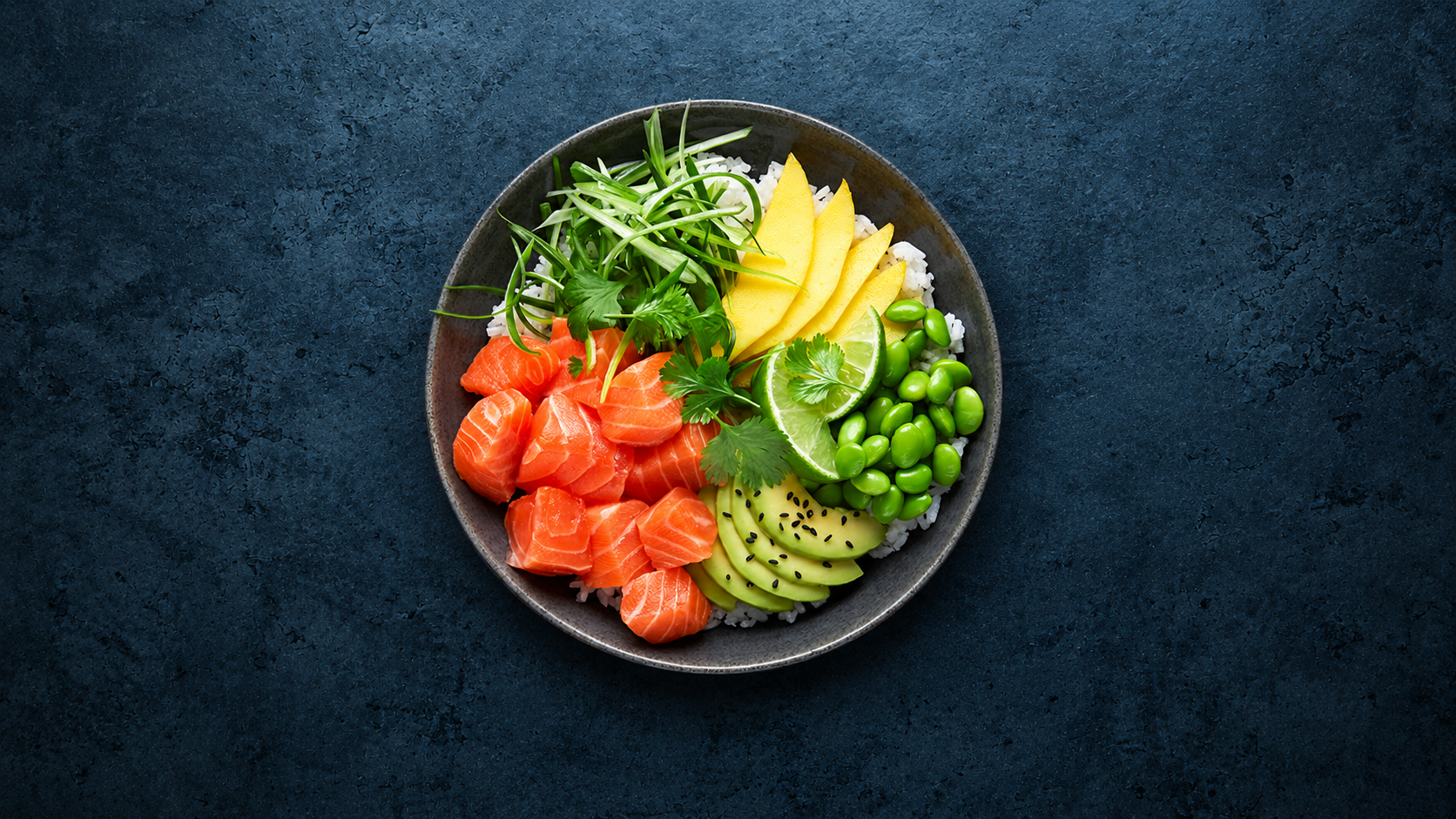
Poke bowl prepared with salmon, avocado and edamame
From poke to Mediterranean cuisine, the versatility of salmon has helped drive its spread across very different food cultures. Photo: Norwegian Seafood Council.

A product aligned with changing consumption habits

Nutrition is another factor behind salmon’s international popularity. Salmon is naturally rich in high-quality protein and provides vitamins including A, D and B12, together with minerals such as selenium and iodine and important omega-3 fatty acids.

But nutritional value alone does not explain its commercial success.

From sushi to Mediterranean cuisine

One of salmon’s greatest strengths is its ability to fit into very different culinary cultures. It is equally at home in Nordic, Mediterranean and Asian cuisine and can be served raw, smoked, grilled, baked or incorporated into ready-to-eat preparations.

Sushi, sashimi and poke have helped create completely new consumption occasions, while retail formats and home cooking have expanded salmon’s presence beyond restaurants.

Italy provides a particularly significant example. The country is currently the sixth-largest market in the world for Atlantic salmon consumption and the third-largest for Norwegian salmon. In 2025, salmon consumption increased by 6%, while orders in the out-of-home channel rose by 15.6%.

Sushi is a major driver of this trend, accounting for 69% of salmon consumption in the Italian foodservice channel.

The figures confirm a broader transformation already visible in the Italian seafood market. As explored in Pesceinrete’s analysis of Norwegian seafood and its growing position in Italy, salmon is no longer associated with a single consumption occasion or distribution channel.

It has become a cross-channel product capable of moving between retail, foodservice, ready-to-eat formats and increasingly diversified eating habits.

This evolution also highlights a wider trend for seafood businesses and buyers: origin, traceability, processing formats and the ability to respond to new consumption patterns are becoming increasingly important competitive factors. Companies and seafood products operating across these markets can also be explored through the Ittico Buyer Guide (IGB), Pesceinrete’s B2B digital hub connecting buyers with the seafood supply chain.

Tags: AquacultureNorwayNorwegian salmonsalmon consumptionseafood innovationseafood market
CondividiTweetCondividiPinInviaCondividiInvia
Articolo precedente

Libro Blu 2026: l’economia del mare sfiora 225 miliardi

Prossimo articolo

Mar Rosso, il rischio logistico torna sulla rotta del seafood italiano

Redazione

Redazione

Articoli Correlati

EU packaging rules and EPR simplification for seafood SMEs

EU packaging rules could ease EPR obligations for SMEs

by Alice Giacalone
13 Ottobre 2026

The European Parliament’s Environment Committee backs a temporary suspension of the EPR authorised-representative requirement. What the proposal could mean for...

Italian seafood specialities linked to coastal food tourism

Tourism offers opportunities for Italian seafood specialities

by Candida Ciravolo
12 Ottobre 2026

Among Italian shopping tourists surveyed, 73% always or almost always buy food and non-alcoholic drinks. For seafood producers, local identity,...

Pesci economici da scegliere al banco

7 affordable fish worth choosing at the seafood counter

by Candida Ciravolo
11 Ottobre 2026

Mackerel, sardines, anchovies, horse mackerel, grey mullet, bogue and blue whiting can all offer good value. What matters is the...

Conserve ittiche

Canned seafood exports reshape the Italy–Spain picture

by Alice Giacalone
9 Ottobre 2026

In 2025, Spain exported more than 244,000 tonnes of prepared and preserved seafood, while Italy's canned tuna exports rose by...

Lascia un commento Annulla risposta

Il tuo indirizzo email non sarà pubblicato. I campi obbligatori sono contrassegnati *

Questo sito utilizza Akismet per ridurre lo spam. Scopri come vengono elaborati i dati derivati dai commenti.


Articoli più letti

  • 10 pesci costosi e prelibati
  • Le specie di sarago del Mediterraneo
  • Pesci con più e meno mercurio
  • Molva, una ricchezza del Mare del Nord
  • Molluschi bivalvi: descrizione e caratteristiche
  • Congelare il tonno in scatola
  • Gattuccio e palombo, gli squali buoni da mangiare
  • Triglia: caratteristiche e proprietà nutrizionali
  • Mangiare il tonno crudo: vantaggi e pericoli
  • Sgombro e lanzardo, pesce azzurro per il cuore
Pesceinrete

Pesceinrete è la testata giornalistica unica in Italia ad occuparsi di pesca commerciale ed acquacoltura. In quanto canale tematico e dai contenuti specializzati, si rivolge direttamente agli operatori della filiera con una comunicazione targettizzata che risponde alle esigenze del settore.

Segui le nostre pagine social

Stock images by Depositphotos

Newsletter

Categorie

  • News Ittico
  • Pesca
  • Acquacoltura
  • Associazioni di categoria
  • Sindacati
  • ONG
  • Tecnologia
  • Sostenibilità
  • Mercati
  • Eventi e Fiere
  • Overseas
  • Nutrizione e salute
  • Approfondimenti
  • Chi siamo
  • Policy editoriali
  • Partner
  • Contatti
  • Pubblicità
  • Newsletter
  • Mappa del sito

© 2026 INRETE S.R.L. P.Iva: 02557660814 - Pesceinrete - Il quotidiano del settore ittico | Credits

Pesceinrete
Gestisci Consenso

Usiamo cookie tecnici per far funzionare il sito, e cookie statistici (anche di terze parti) per capire come viene usato e migliorarlo. Puoi accettare tutto, rifiutare tutto o scegliere quali attivare — restando comunque libero di navigare senza restrizioni.

Funzionale Sempre attivo
L'archiviazione tecnica o l'accesso sono strettamente necessari al fine legittimo di consentire l'uso di un servizio specifico esplicitamente richiesto dall'abbonato o dall'utente, o al solo scopo di effettuare la trasmissione di una comunicazione su una rete di comunicazione elettronica.
Preferenze
L'archiviazione tecnica o l'accesso sono necessari per lo scopo legittimo di memorizzare le preferenze che non sono richieste dall'abbonato o dall'utente.
Statistiche
L'archiviazione tecnica o l'accesso che viene utilizzato esclusivamente per scopi statistici. L'archiviazione tecnica o l'accesso che viene utilizzato esclusivamente per scopi statistici anonimi. Senza un mandato di comparizione, una conformità volontaria da parte del vostro Fornitore di Servizi Internet, o ulteriori registrazioni da parte di terzi, le informazioni memorizzate o recuperate per questo scopo da sole non possono di solito essere utilizzate per l'identificazione.
Marketing
L'archiviazione tecnica o l'accesso sono necessari per creare profili di utenti per inviare pubblicità, o per tracciare l'utente su un sito web o su diversi siti web per scopi di marketing simili.
  • Gestisci opzioni
  • Gestisci servizi
  • Gestisci {vendor_count} fornitori
  • Per saperne di più su questi scopi
Personalizza
  • {title}
  • {title}
  • {title}
  • Home
  • Nutrizione e salute
  • Pesca
  • Acquacoltura
  • Approfondimenti
  • Tecnologia
  • Sostenibilità
  • Mercati
  • Guida Buyer NEW
  • Overseas English
  • Archivio
  • Chi siamo
  • Contatti
  • Partner
  • Pubblicità
  • Newsletter
Nessun Risultato
Vedi tutti i Risultati

© 2026 INRETE S.R.L. P.Iva: 02557660814 - Pesceinrete - Il quotidiano del settore ittico | Credits