Overseas


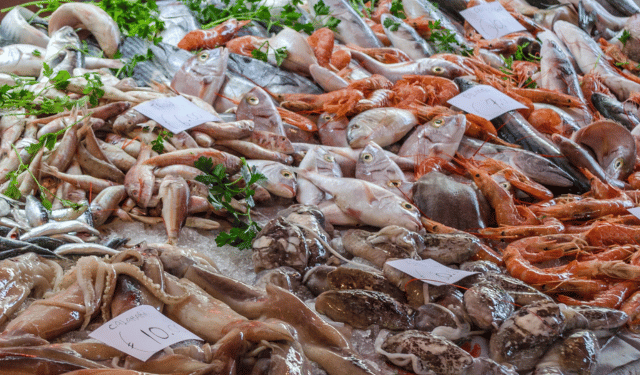
In the Mediterranean, the value of a fish species is never the result of a single quality, nor can it be explained solely by taste or gastronomic reputation. The price of high-end fish emerges from the interaction of biological, ecological, technical and market-related factors that act along the entire supply chain, from availability at sea to post-harvest handling and final demand.
In this context, talking about “premium value” requires a scientific and systemic reading of seafood products, where organoleptic quality is only one element among many.
What Really Makes a Fish Species Premium
The first distinguishing factor is biological availability. Many high-value species have naturally limited or vulnerable populations, often characterized by slow growth, late sexual maturity and seasonal reproductive cycles. Even under regulated fisheries, these traits lead to irregular landings and low volumes, resulting in a structurally constrained supply.
Added to this is qualitative seasonality. In the Mediterranean, not all phases of a species’ life cycle guarantee the same level of quality. Nutritional condition, lipid content and flesh texture vary significantly throughout the year. The time windows in which a species expresses its maximum organoleptic potential are often short, further narrowing the supply that is truly suitable for the premium market.
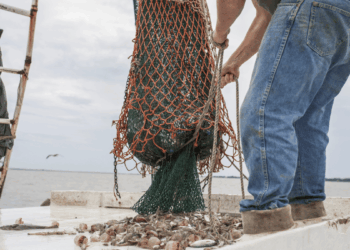
Fishing techniques also play a central role. The most valuable species are frequently associated with selective operations, complex seabeds, great depths or gear that requires long fishing times and specific expertise. In these cases, economic value reflects not only the product itself, but also operational risk and the technical investment needed to land it in optimal condition.
From a commercial standpoint, edible yield is a key factor. High-end markets do not assess fish solely by price per kilogram, but by usable portions, processing efficiency and consistency in culinary performance. Species with higher yields and stable behavior in the kitchen are more easily positioned in premium segments.
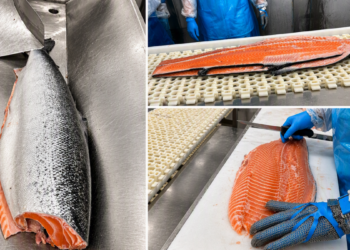
In recent years, post-harvest handling has become decisive. Immediate treatment, strict temperature control, size and integrity selection, and rapid landing all directly affect final quality. A premium fish is also premium because it is managed as such, with additional costs that inevitably influence price.
A Top Five of the Most Valuable Mediterranean Seafood Products
Within this framework, some species concentrate the main premium factors more clearly than others. Despite territorial and seasonal differences, it is possible to identify a top five that effectively represents the concept of value in today’s Mediterranean seafood market.
The following list is limited to finfish species and one crustacean. Other highly valued Mediterranean products, such as sea urchins and certain mollusks, require separate analysis due to different biological traits and market dynamics.
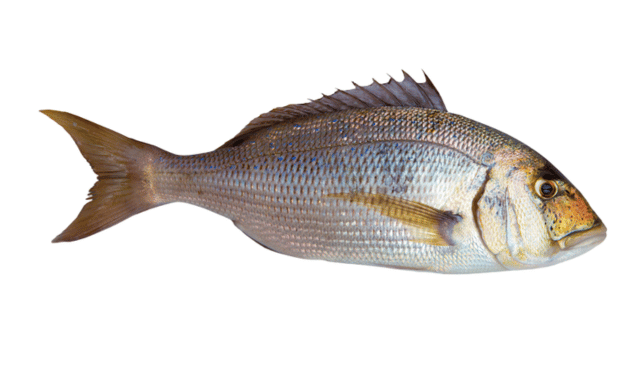
Dentex
Dentex (Dentex dentex) is one of the symbolic species of the Mediterranean high-end market. Availability is irregular and strongly influenced by selective fishing methods. Its flesh is firm, well-structured and sensorially balanced, with remarkable culinary versatility, suitable for both raw and cooked preparations. Large specimens, especially sought after by fine dining restaurants, are less frequent and directly contribute to the species’ premium positioning.
Dusky Grouper
The dusky grouper (Epinephelus marginatus) is a textbook example of premium value driven by biology. Slow growth and late sexual maturity structurally limit commercial availability. Value is closely linked to size, as adult specimens offer firm flesh and high gastronomic yield. The combination of biological vulnerability, fishing regulations and strong qualified demand ensures its stable placement in the high-end segment.

Turbot
Turbot (Scophthalmus maximus) represents a form of predominantly technical premium value. Flesh quality, high edible yield and excellent cooking performance make it a benchmark for high-level gastronomy. Desired sizes are not always available, and fishing often requires skill and selectivity. Post-harvest handling is also critical in preserving its qualitative attributes.

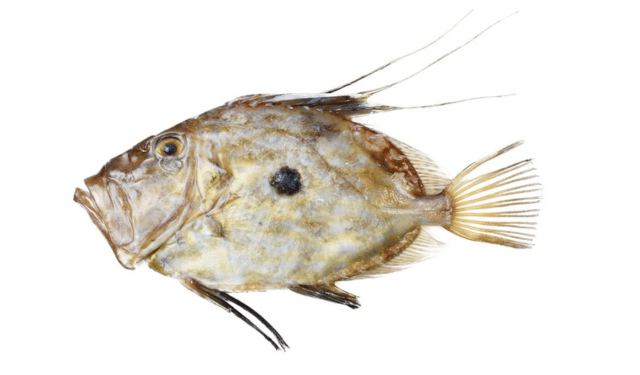
John Dory
John Dory (Zeus faber) holds a consolidated position in the premium segment thanks to a combination of market recognizability, flesh quality and steady demand. Landings are limited and availability can be irregular. Its white, lean and delicate flesh makes it particularly suitable for refined preparations, reinforcing its gastronomic value.
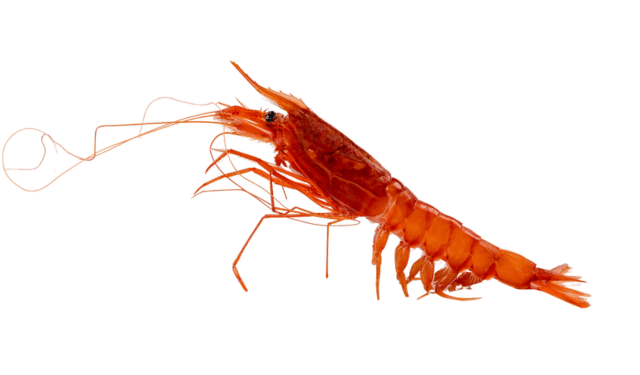
Mediterranean Red Shrimp
Mediterranean red shrimp (Aristaeomorpha foliacea) stands apart within the crustacean category. It inhabits great depths in environments that are difficult to access and is harvested using techniques that involve long fishing times, high operational costs and specialized expertise. Availability is limited and highly variable. Its flesh, characterized by intense aromatic compounds and pronounced sweetness, is highly appreciated both raw and in haute cuisine. In this case, price directly reflects the combination of harvesting difficulty, biological quality and qualified demand.
Value Changes Across Mediterranean Basins
One final aspect is often decisive: premium value also varies by basin. The Tyrrhenian Sea, Adriatic Sea and Strait of Sicily do not offer the same availability, commercial sizes or market dynamics. Environmental conditions, fishing structures, production systems and local demand all contribute to shaping different perceptions of value depending on the geographic area. A deeper look at these differences allows for an even more precise interpretation of Mediterranean seafood value.
A Technical Reading of Value
Understanding why certain Mediterranean fish species cost more than others requires moving beyond a simplified market interpretation. Premium value emerges from the interaction between species biology, actual resource availability, fishing techniques, yield, post-harvest handling and high-end demand. It is this complexity, rather than any single factor, that determines the economic value of seafood over time.
From this perspective, price is not an anomaly, but the final expression of an articulated supply chain in which value is built well before the product reaches the counter or the plate.
For more insights on the future of Italian and European fisheries and the blue economy, follow ongoing coverage and analysis on Pesceinrete.