• HOME
  • CHI SIAMO
  • CONTATTI
  • PARTNER
  • PUBBLICITÀ
  • NEWSLETTER
  • ARCHIVIO
    • Bandi e Opportunità
    • Speciali
    • Rubriche
    • Nutrizione e salute
    • Interviste
    • Video
mercoledì 16 Settembre, 2026
Pesceinrete
  • Pesca
  • Nutrizione e salute
  • Acquacoltura
    • Acquaponica
    • Algocoltura
  • Approfondimenti
  • Tecnologia
  • Sostenibilità
  • Mercati
  • OverseasNew
Nessun Risultato
Vedi tutti i Risultati
Pesceinrete
  • Pesca
  • Nutrizione e salute
  • Acquacoltura
    • Acquaponica
    • Algocoltura
  • Approfondimenti
  • Tecnologia
  • Sostenibilità
  • Mercati
  • OverseasNew
Nessun Risultato
Vedi tutti i Risultati
Pesceinrete
Nessun Risultato
Vedi tutti i Risultati

Home Overseas

Asian Influence Is Redefining Seafood Consumption in Italy

In 2026, the difference between a product that merely “exists” and one that truly “moves” is measured in details that are anything but secondary for the supply chain: cut, size, stability, packaging, and performance in recipes.

Alice Giacalone by Alice Giacalone
13 Gennaio 2026
in Overseas
Asian Influence Is Redefining Seafood Consumption in Italy

Asian Influence Is Redefining Seafood Consumption in Italy

Asian influence on seafood consumption in Italy is shifting the benchmark toward something very concrete: fish must no longer be just good, it must be designed to perform in fast, repeatable consumption contexts with high expectations of consistency. In 2026, the difference between a product that merely “exists” and one that truly “moves” is measured in details that are anything but secondary for the supply chain: cut, size, stability, packaging, and performance in recipes.

For years, the debate stopped at the most visible label: raw fish. Today, raw is no longer the sole driver but rather an accelerator of standards. The real change is that consumers now expect a consistent experience every time—whether they buy at a deli counter, eat out, or order food. This is rewarding a concept of seafood that is closer to “precision industry”: uniform portions, single-serve grammages, consistent texture, and a flavor profile that is deliberately constructed.

This is where umami comes into play—not as a buzzword, but as a taste register that makes fish immediately “readable.” Marinades and glazes, sweet-salty components, fermented or smoked notes, sauces and seasonings that enhance fat content and juiciness: these are levers that simplify choice and, above all, encourage repeat purchases. Seafood increasingly becomes part of a ready-to-use system, where companies sell not just raw material but predictability of results.

This demand puts pressure on processing. In foodservice and ready-to-eat formats, what matters is performance over time: color stability after hours in refrigeration, structural integrity in bowls or trays, marinade retention without excessive drip, odor control in packaging, and juiciness maintained after transport. Here, decisions about portioning, cut selection, temperature management, and packaging become integral parts of the product itself, not accessories. Modified atmosphere packaging, film barriers, the balance between oxygen and stability, and compatibility between sauces and protein matrices are variables that determine whether a reference becomes a category or remains a trial.

The need for trust is also increasing, because the culture of lightly cooked or raw consumption automatically raises expectations around guarantees. There is no need for alarmism—only acknowledgment that when a product is intended for raw or near-raw consumption, the supply chain must be able to manage and communicate the correct steps, from processing to consumer information. In a market demanding intensity and convenience, reputation is built on solidity: traceability, standards, controls, cold-chain management, and coherence between intended use and processing methods.

For Italian companies, the most interesting point is that this evolution goes far beyond “salmon and tuna.” The opportunity window is wider: from bowl mixes and ready preparations to processing of Mediterranean species that, when enhanced with a modern flavor direction and functional formats, can compete in both experience and convenience. Ingredients also matter: preserved and semi-preserved products as recipe components, toppings, “chef-ready” lines for foodservice, and solutions that reduce preparation time and waste. In other words, value increasingly lies not in storytelling, but in the ability to bring to market a product that truly performs.

In 2026, winners will not be those who make seafood more exotic, but those who make it easier to choose, simpler to use, more stable to replicate, and safer to serve. It is a silent transformation, but one of the most concrete for the supply chain: shifting the focus from commodity to product design, and from emotional seasonality to routine purchasing.

Raw consumption, umami, and ready-to-eat formats are imposing new standards: portioning, stability, packaging, and processes are becoming decisive growth factors across both retail and foodservice.

For more insights on the future of Italian fisheries and the blue economy, follow ongoing coverage and analysis on Pesceinrete.

NEWSLETTER

Tags: Asian influencecold chain managementfoodservice trendsGDO seafoodhoreca seafoodMediterranean speciesportioned seafoodraw fish trendsready-to-eat seafoodseafood consumption Italyseafood innovationseafood packagingseafood processingumami seafoodvalue-added seafood
CondividiTweetCondividiPinInviaCondividiInvia
Articolo precedente

Il tonno pronto cambia pelle: meno grassi, più idee

Prossimo articolo

Cile, l’export di salmone cresciuto ancora nel 2025

Alice Giacalone

Alice Giacalone

Autrice Pesceinrete Alice Giacalone scrive per Pesceinrete occupandosi di attualità, imprese, mercati e scenari della filiera ittica. Nei suoi contributi segue l’evoluzione del settore seafood con attenzione ai temi che incidono sul lavoro degli operatori, dalla pesca all’acquacoltura, dalla sostenibilità alle dinamiche commerciali.

Articoli Correlati

Fishing vessel at sea as warmer ocean temperatures and El Niño shift fish distribution and fishing grounds

El Niño is set to become very strong. Warmer seas are redrawing the geography of fishing

by Luca Di Noto
15 Settembre 2026

What happens to fisheries when seas become warmer? Warmer seas do not simply mean fewer fish. They can change where...

Imported caviar at the centre of the European debate on origin transparency

Imported caviar, European aquaculture calls for clearer origin information

by Mariella Ballatore
11 Settembre 2026

Imported caviar from non-EU countries has become a test case in European aquaculture’s call for greater origin transparency. FEAP warns...

Italian seafood presented to buyers at Seafood Expo Asia in Singapore

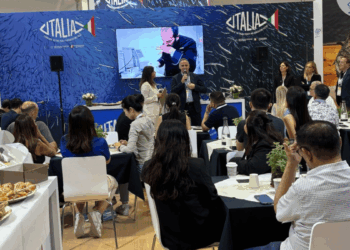
From blue crab to red shrimp, buyers put Italy’s seafood supply chain to the test in Singapore

by Redazione
9 Settembre 2026

From blue crab seeking an industrial supply chain to traceable bivalve molluscs and red shrimp for fine dining, Italy is...

Salmon fillet on the processing line at Freezco Eesti in Tallinn

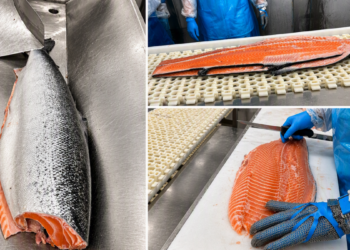
Freezco expands salmon processing for the italian market

by Davide Ciravolo
7 Settembre 2026

Freezco has expanded salmon processing for the Italian market through Freezco Eesti, a facility in Tallinn launched in May 2026....

Lascia un commento Annulla risposta

Il tuo indirizzo email non sarà pubblicato. I campi obbligatori sono contrassegnati *

Questo sito utilizza Akismet per ridurre lo spam. Scopri come vengono elaborati i dati derivati dai commenti.


Articoli più letti

  • 10 pesci costosi e prelibati
  • Le specie di sarago del Mediterraneo
  • Pesci con più e meno mercurio
  • Molva, una ricchezza del Mare del Nord
  • Molluschi bivalvi: descrizione e caratteristiche
  • Congelare il tonno in scatola
  • Gattuccio e palombo, gli squali buoni da mangiare
  • Triglia: caratteristiche e proprietà nutrizionali
  • Mangiare il tonno crudo: vantaggi e pericoli
  • Sgombro e lanzardo, pesce azzurro per il cuore
Pesceinrete

Pesceinrete è la testata giornalistica unica in Italia ad occuparsi di pesca commerciale ed acquacoltura. In quanto canale tematico e dai contenuti specializzati, si rivolge direttamente agli operatori della filiera con una comunicazione targettizzata che risponde alle esigenze del settore.

Segui le nostre pagine social

Stock images by Depositphotos

Newsletter

Categorie

  • News Ittico
  • Pesca
  • Acquacoltura
  • Associazioni di categoria
  • Sindacati
  • ONG
  • Tecnologia
  • Sostenibilità
  • Mercati
  • Eventi e Fiere
  • Overseas
  • Nutrizione e salute
  • Approfondimenti
  • Chi siamo
  • Policy editoriali
  • Partner
  • Contatti
  • Pubblicità
  • Newsletter
  • Mappa del sito

© 2026 INRETE S.R.L. P.Iva: 02557660814 - Pesceinrete - Il quotidiano del settore ittico | Credits

Pesceinrete
Gestisci Consenso

Usiamo cookie tecnici per far funzionare il sito, e cookie statistici (anche di terze parti) per capire come viene usato e migliorarlo. Puoi accettare tutto, rifiutare tutto o scegliere quali attivare — restando comunque libero di navigare senza restrizioni.

Funzionale Sempre attivo
L'archiviazione tecnica o l'accesso sono strettamente necessari al fine legittimo di consentire l'uso di un servizio specifico esplicitamente richiesto dall'abbonato o dall'utente, o al solo scopo di effettuare la trasmissione di una comunicazione su una rete di comunicazione elettronica.
Preferenze
L'archiviazione tecnica o l'accesso sono necessari per lo scopo legittimo di memorizzare le preferenze che non sono richieste dall'abbonato o dall'utente.
Statistiche
L'archiviazione tecnica o l'accesso che viene utilizzato esclusivamente per scopi statistici. L'archiviazione tecnica o l'accesso che viene utilizzato esclusivamente per scopi statistici anonimi. Senza un mandato di comparizione, una conformità volontaria da parte del vostro Fornitore di Servizi Internet, o ulteriori registrazioni da parte di terzi, le informazioni memorizzate o recuperate per questo scopo da sole non possono di solito essere utilizzate per l'identificazione.
Marketing
L'archiviazione tecnica o l'accesso sono necessari per creare profili di utenti per inviare pubblicità, o per tracciare l'utente su un sito web o su diversi siti web per scopi di marketing simili.
  • Gestisci opzioni
  • Gestisci servizi
  • Gestisci {vendor_count} fornitori
  • Per saperne di più su questi scopi
Personalizza
  • {title}
  • {title}
  • {title}
  • Home
  • Nutrizione e salute
  • Pesca
  • Acquacoltura
  • Approfondimenti
  • Tecnologia
  • Sostenibilità
  • Mercati
  • Overseas English NEW
  • Archivio
  • Chi siamo
  • Contatti
  • Partner
  • Pubblicità
  • Newsletter
Nessun Risultato
Vedi tutti i Risultati

© 2026 INRETE S.R.L. P.Iva: 02557660814 - Pesceinrete - Il quotidiano del settore ittico | Credits