• HOME
  • CHI SIAMO
  • CONTATTI
  • PARTNER
  • PUBBLICITÀ
  • NEWSLETTER
  • ARCHIVIO
    • Bandi e Opportunità
    • Speciali
    • Rubriche
    • Nutrizione e salute
    • Interviste
    • Video
mercoledì 16 Settembre, 2026
Pesceinrete
  • Pesca
  • Nutrizione e salute
  • Acquacoltura
    • Acquaponica
    • Algocoltura
  • Approfondimenti
  • Tecnologia
  • Sostenibilità
  • Mercati
  • OverseasNew
Nessun Risultato
Vedi tutti i Risultati
Pesceinrete
  • Pesca
  • Nutrizione e salute
  • Acquacoltura
    • Acquaponica
    • Algocoltura
  • Approfondimenti
  • Tecnologia
  • Sostenibilità
  • Mercati
  • OverseasNew
Nessun Risultato
Vedi tutti i Risultati
Pesceinrete
Nessun Risultato
Vedi tutti i Risultati

Home Overseas

Global Seafood Industry Trends 2026: Markets, Tech and Demand

The combination of technological progress, new lifestyles and redefined spending priorities is accelerating a transformation already underway.

Davide Ciravolo by Davide Ciravolo
5 Febbraio 2026
in Overseas
Global Seafood Industry Trends 2026: Markets, Tech and Demand

Global Seafood Industry Trends 2026: Markets, Tech and Demand

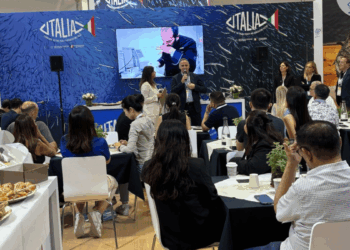
2026 is shaping up as a year of structural transition for the global seafood industry. This is not simply an evolution in consumer habits, but a deeper shift involving economic models, demographics, technology and the perceived value of food. Insights emerging from the January annual conference of the Norwegian Seafood Council depict a sector increasingly required to rethink its role across the value chain, from production to engagement with the end consumer.

The combination of technological progress, new lifestyles and redefined spending priorities is accelerating a transformation already underway. Attention is no longer focused exclusively on the product itself, but on its function: nutritional, social and cultural. In this context, the seafood sector occupies a strategic position, provided it is able to correctly interpret and respond to market signals.

From the Experience Economy to the Transformation Economy

One of the key concepts highlighted during the conference is the so-called “transformation economy”, a stage that goes beyond the experience economy. According to the analysis presented by Louise Byg Kongsholm, CEO of the trend institute Pej Gruppen, consumers are redefining the very concept of luxury. Better sleep, more conscious eating, stress reduction and mental balance are becoming priority goals, worthy of sustained investment of both time and resources.

This paradigm shift has direct implications for the seafood sector. Fish naturally aligns with the growing demand for high-nutritional-value foods, rich in quality protein, omega-3 fatty acids, vitamins and easily absorbable minerals. As consumers increasingly seek practical, everyday solutions to improve well-being, seafood products can be positioned not as an alternative, but as a benchmark.

Scientific evidence further reinforces this direction. Studies on the so-called Blue Zones, conducted by Dan Buettner in collaboration with National Geographic, show that populations with the highest life expectancy share dietary patterns based on fish, plant-based foods, daily physical activity and low stress levels. This body of knowledge offers the seafood sector a credible opportunity to position itself within the broader conversation on longevity.

Technology, Data and Artificial Intelligence Along the Value Chain

At the same time, technology continues to reshape how the seafood value chain operates. The growing use of digital tools and artificial intelligence-based solutions enables more efficient resource management, improved demand forecasting and greater transparency toward the market. Companies that can strategically leverage available data will gain a significant competitive advantage, particularly in an environment characterized by rapidly evolving sales channels.

Digital transformation extends beyond production and logistics, influencing how products are communicated, distributed and perceived. As a result, the boundary between the food industry and digital platforms is becoming increasingly blurred.

Asia as a Catalyst for Global Demand

If one geographic area is set to dictate the pace of the global seafood market in 2026, it is Asia. Urbanization, the expansion of the middle class and rising disposable incomes are driving demand toward fresh, healthy and easily accessible products, with seafood playing a central role.

In South Korea, Norway enters 2026 with a dominant market share in salmon and mackerel. This is significant not only in terms of volume, but also consumption patterns. E-commerce now represents a substantial share of fresh seafood sales, with home delivery perceived as a marker of quality and reliability. In a society characterized by a high number of single-person households, demand for smaller portions, convenience and healthy solutions finds a natural match in seafood products.

China also shows signs of structural consolidation. The value of Norwegian seafood exports has grown significantly in recent years, despite relatively stable volumes. Salmon remains the main growth driver, supported by the expansion of the middle class, wider distribution in second- and third-tier cities, and the spread of ready-to-eat formats. The gradual shift toward at-home consumption and the overtaking of offline retail by online sales outline a market still in an early phase, but with considerable growth potential.

Social Commerce, Live Streaming and New Trust Dynamics

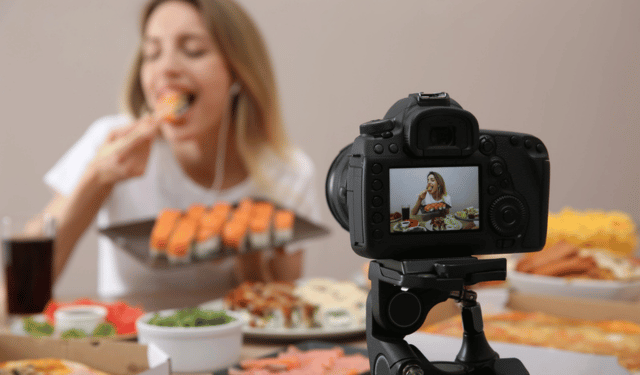
Another defining feature of the Asian market is the integration of food consumption with digital platforms. The purchasing journey increasingly begins on social media and is completed through real-time commerce. Live streaming, in particular, has emerged as a structured sales channel capable of generating significant volumes in extremely short timeframes.

Phenomena such as mukbang in South Korea or live-commerce sessions on platforms like TikTok in China illustrate how transparency, entertainment and direct interaction help build trust around food products. In this environment, food aesthetics and visual storytelling become fully fledged commercial levers, directly influencing the purchasing behavior of younger generations.

A Sector Required to Adapt

Taken together, these dynamics outline a scenario in which the seafood sector is required to rethink its positioning. 2026 will not simply be a year of volume growth or contraction, but a real test of companies’ ability to adapt to a more conscious, digital and value-driven demand. Those capable of correctly interpreting this shift will have the opportunity to strengthen their presence in global markets, turning challenges into drivers of development.

For more insights on the future of Italian and European fisheries and the blue economy, follow ongoing coverage and analysis on Pesceinrete.
NEWSLETTER

Tags: Asian seafood marketBlue Economydigital seafood retailglobal seafood demandglobal seafood industry trends 2026Norwegian seafood exportsseafood consumption trendsseafood e-commerceseafood industry transformationseafood innovationseafood market outlookseafood value chain
CondividiTweetCondividiPinInviaCondividiInvia
Articolo precedente

Oltre protezione e sostenibilità: il packaging come leva strategica di valore

Prossimo articolo

I cinque pesci più pregiati del Mediterraneo (e perché costano)

Davide Ciravolo

Davide Ciravolo

Autore Pesceinrete, retail ittico e mercati seafood Davide Ciravolo è autore Pesceinrete. Si occupa di mercati, distribuzione e scenari commerciali della filiera ittica, con particolare attenzione al rapporto tra prodotto, retail e consumi. La sua esperienza come ex buyer di Esselunga gli permette di osservare il settore seafood anche dal punto di vista della GDO e delle dinamiche di assortimento.

Articoli Correlati

Fishing vessel at sea as warmer ocean temperatures and El Niño shift fish distribution and fishing grounds

El Niño is set to become very strong. Warmer seas are redrawing the geography of fishing

by Luca Di Noto
15 Settembre 2026

What happens to fisheries when seas become warmer? Warmer seas do not simply mean fewer fish. They can change where...

Imported caviar at the centre of the European debate on origin transparency

Imported caviar, European aquaculture calls for clearer origin information

by Mariella Ballatore
11 Settembre 2026

Imported caviar from non-EU countries has become a test case in European aquaculture’s call for greater origin transparency. FEAP warns...

Italian seafood presented to buyers at Seafood Expo Asia in Singapore

From blue crab to red shrimp, buyers put Italy’s seafood supply chain to the test in Singapore

by Redazione
9 Settembre 2026

From blue crab seeking an industrial supply chain to traceable bivalve molluscs and red shrimp for fine dining, Italy is...

Salmon fillet on the processing line at Freezco Eesti in Tallinn

Freezco expands salmon processing for the italian market

by Davide Ciravolo
7 Settembre 2026

Freezco has expanded salmon processing for the Italian market through Freezco Eesti, a facility in Tallinn launched in May 2026....

Lascia un commento Annulla risposta

Il tuo indirizzo email non sarà pubblicato. I campi obbligatori sono contrassegnati *

Questo sito utilizza Akismet per ridurre lo spam. Scopri come vengono elaborati i dati derivati dai commenti.


Articoli più letti

  • 10 pesci costosi e prelibati
  • Le specie di sarago del Mediterraneo
  • Pesci con più e meno mercurio
  • Molva, una ricchezza del Mare del Nord
  • Molluschi bivalvi: descrizione e caratteristiche
  • Congelare il tonno in scatola
  • Gattuccio e palombo, gli squali buoni da mangiare
  • Triglia: caratteristiche e proprietà nutrizionali
  • Mangiare il tonno crudo: vantaggi e pericoli
  • Sgombro e lanzardo, pesce azzurro per il cuore
Pesceinrete

Pesceinrete è la testata giornalistica unica in Italia ad occuparsi di pesca commerciale ed acquacoltura. In quanto canale tematico e dai contenuti specializzati, si rivolge direttamente agli operatori della filiera con una comunicazione targettizzata che risponde alle esigenze del settore.

Segui le nostre pagine social

Stock images by Depositphotos

Newsletter

Categorie

  • News Ittico
  • Pesca
  • Acquacoltura
  • Associazioni di categoria
  • Sindacati
  • ONG
  • Tecnologia
  • Sostenibilità
  • Mercati
  • Eventi e Fiere
  • Overseas
  • Nutrizione e salute
  • Approfondimenti
  • Chi siamo
  • Policy editoriali
  • Partner
  • Contatti
  • Pubblicità
  • Newsletter
  • Mappa del sito

© 2026 INRETE S.R.L. P.Iva: 02557660814 - Pesceinrete - Il quotidiano del settore ittico | Credits

Pesceinrete
Gestisci Consenso

Usiamo cookie tecnici per far funzionare il sito, e cookie statistici (anche di terze parti) per capire come viene usato e migliorarlo. Puoi accettare tutto, rifiutare tutto o scegliere quali attivare — restando comunque libero di navigare senza restrizioni.

Funzionale Sempre attivo
L'archiviazione tecnica o l'accesso sono strettamente necessari al fine legittimo di consentire l'uso di un servizio specifico esplicitamente richiesto dall'abbonato o dall'utente, o al solo scopo di effettuare la trasmissione di una comunicazione su una rete di comunicazione elettronica.
Preferenze
L'archiviazione tecnica o l'accesso sono necessari per lo scopo legittimo di memorizzare le preferenze che non sono richieste dall'abbonato o dall'utente.
Statistiche
L'archiviazione tecnica o l'accesso che viene utilizzato esclusivamente per scopi statistici. L'archiviazione tecnica o l'accesso che viene utilizzato esclusivamente per scopi statistici anonimi. Senza un mandato di comparizione, una conformità volontaria da parte del vostro Fornitore di Servizi Internet, o ulteriori registrazioni da parte di terzi, le informazioni memorizzate o recuperate per questo scopo da sole non possono di solito essere utilizzate per l'identificazione.
Marketing
L'archiviazione tecnica o l'accesso sono necessari per creare profili di utenti per inviare pubblicità, o per tracciare l'utente su un sito web o su diversi siti web per scopi di marketing simili.
  • Gestisci opzioni
  • Gestisci servizi
  • Gestisci {vendor_count} fornitori
  • Per saperne di più su questi scopi
Personalizza
  • {title}
  • {title}
  • {title}
  • Home
  • Nutrizione e salute
  • Pesca
  • Acquacoltura
  • Approfondimenti
  • Tecnologia
  • Sostenibilità
  • Mercati
  • Overseas English NEW
  • Archivio
  • Chi siamo
  • Contatti
  • Partner
  • Pubblicità
  • Newsletter
Nessun Risultato
Vedi tutti i Risultati

© 2026 INRETE S.R.L. P.Iva: 02557660814 - Pesceinrete - Il quotidiano del settore ittico | Credits