Overseas


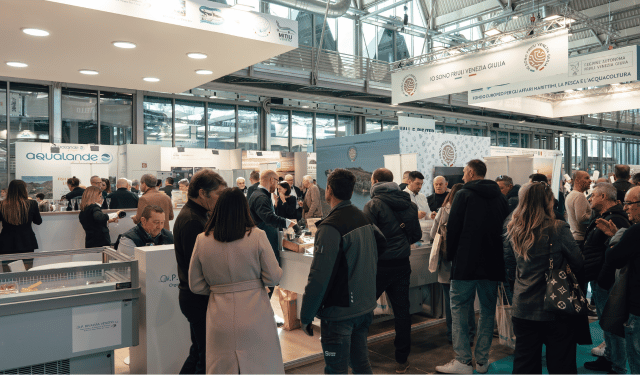
The AquaFarm 2026 Pordenone aquaculture conference has officially concluded, reaffirming its position as the leading Mediterranean event dedicated to aquaculture, small-scale and artisanal fisheries, and algae production.
Held last week at Pordenone Fiere, the 9th edition once again proved to be a strategic platform for industry dialogue, innovation, and institutional engagement.
A Growing International Benchmark
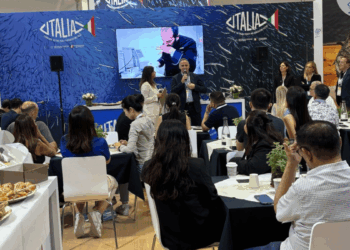
This year’s edition attracted more than 2,000 participants and featured 25 conference sessions alongside an extensive 6,000-square-meter international exhibition area hosting 120 exhibitors and brands.
The event has consolidated its role as a marketplace of ideas and technologies, bringing together producers, processors, researchers, universities, and technology providers from across the Mediterranean and the Balkan region.
Strong Institutional Backing
Among the most notable moments was the intervention of Francesco Lollobrigida, Italy’s Minister of Agriculture, Food Sovereignty and Forestry, who reaffirmed institutional support for the sector and for the exhibition itself.
A central highlight of the second day was the opening session organized by Ministero dell’Agricoltura della Sovranità Alimentare e delle Foreste (MASAF), titled “Strategies, tools and actions for sustainable aquaculture development.”
The session featured Graziella Romito, Director General for Fisheries and Aquaculture at MASAF, alongside key industry representatives including Pier Antonio Salvador (Copa Cogeca), Federico Pinza (AMA – Associazione Mediterranea Acquacoltori), Matteo Leonardi (API – Associazione Piscicoltori Italiani), and Valentina Tepidino (Eurofishmarket).
Sustainability, Coordination and Sector Growth
The debate placed sustainability at the center of aquaculture’s future, addressing critical themes such as:
-
Institutional and industry cooperation
-
Access to funding instruments
-
Professional training
-
Traceability systems
-
Regulatory simplification
-
Social acceptability of aquaculture
Speakers emphasized the need for coordinated policies and systemic collaboration to enhance national production and support the sector’s expansion through concrete operational tools.
Mediterranean Leadership and European Outlook
Renato Pujatti, President of Pordenone Fiere, highlighted AquaFarm’s strategic positioning:
“AquaFarm has confirmed itself as the most important annual event for the Mediterranean and Balkan area on aquaculture. Bringing together breeders, processors, researchers, universities, and the best sector technologies delivers concrete results and gives Italian aquaculture the visibility it deserves — with the hope that this message reaches Brussels.”
Further strengthening the institutional dimension of the event, Luca Ciriani, Minister for Parliamentary Relations, visited the exhibition and expressed pride in the quality of Italy’s food production. He underlined how the recognition of Italian cuisine as intangible cultural heritage reflects the collective commitment of the entire supply chain, thanking fisheries operators for their work in quality and safety standards.
New for 2026: Aqua Fishery
A major innovation for 2026 is the launch of Aqua Fishery, the first dedicated area within AquaFarm focused on artisanal and professional fisheries.
The new section aims to strengthen marine and inland water supply chains, promote innovation, and foster sustainable growth in the fisheries sector. Aqua Fishery is designed as a national and international meeting point for companies, institutions, trade associations, and economic operators — a space where fishing tradition charts a renewed course toward the future of the sector.
Strategic Outlook
With its combination of policy dialogue, market networking, and technological showcase, AquaFarm continues to serve as a key reference point for the Mediterranean aquaculture ecosystem.
As sustainability, regulatory efficiency, and coordinated investment become decisive competitive factors, events like AquaFarm are increasingly shaping not just market conversations, but long-term sector strategy across Southern Europe.
For more insights on the future of Italian and European fisheries and the blue economy, follow ongoing coverage and analysis on Pesceinrete.