Overseas


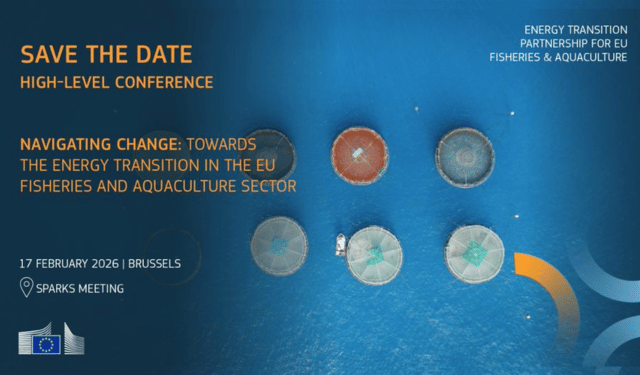
The path towards a more energy-efficient European fisheries and aquaculture sector is entering a decisive political and operational phase. On 17 February 2026, in Brussels, the European Commission – through DG MARE – will bring together institutions and key industry stakeholders at the high-level conference Navigating Change: Towards the Energy Transition in the EU Fisheries and Aquaculture.
The event is organised within the framework of the Energy Transition Partnership (ETP), the European alliance dedicated to supporting the energy transition of the fisheries and aquaculture sector.
According to the conference concept, the aim is to consolidate the work carried out over the past two years within the ETP consultation groups and move towards a shared vision: making the sector more competitive and aligned with greenhouse gas neutrality targets, while safeguarding profitability and the sustainability of marine ecosystems.
A building block towards the EU roadmap expected in 2026
The conference is presented as a key milestone in the process launched by the Commission with its February 2023 communication on the energy transition of EU fisheries and aquaculture. That initiative led to a structured consultation process through the ETP.
Within this framework, Brussels seeks to gather evidence, priorities and recommendations that will feed into the European roadmap for the energy transition of the sector, currently under development and expected to be finalised in 2026.
Participants and programme overview
The programme, described as preliminary, will take place at SPARKS (Rue Ravenstein 60, Brussels).
The institutional opening session, scheduled for 9:15 a.m., will focus on the core political message: energy transition as a lever to reconcile economic profitability with ocean protection. The agenda includes an intervention by European Commissioner Costas Kadis, alongside representatives of the EU Council Presidency and the European Parliament’s PECH Committee.
The programme then moves into the practical question of how to build the roadmap, alternating technical sessions with cross-sectoral discussions. A dedicated intervention by DG MARE will outline the strategic vision of the roadmap, delivered – according to the agenda – by Director-General Charlina Vitcheva.
The central part of the day features panels focused on ETP recommendations for fisheries, covering segments such as small-scale fisheries, large-scale fleets and distant-water fishing. In the afternoon, a specific panel will address aquaculture, distinguishing between inland and offshore farming systems. The objective is to highlight the outcomes of sectoral consultations and compare them with potential solutions, constraints and support tools.
An additional session adopts an integrated perspective, recognising shipbuilding, ports and infrastructure, processing, research and civil society organisations as key components of the energy transition, alongside fishing operations and farming activities. The agenda also includes a focus on innovation supporting the transition, with reference to the HY2FISH initiative.
Why it matters for the market
Beyond its institutional framework, the underlying message is clear: the energy transition is not limited to engines or fuel choices. It directly affects operating costs, access to technology, port infrastructure, supply chains and, crucially, the ability to ensure production continuity under increasingly stringent climate regulations.
The Brussels conference aims to translate these challenges into a coherent pathway for the sector, identifying shared priorities, explicitly addressing barriers and outlining realistic measures to support adoption. The programme concludes with a stakeholder dialogue session, currently marked as “TBD”, followed by a closing plenary. This detail highlights both the evolving nature of the agenda and the intention to reserve space for a final discussion focused on concrete operational impacts.
For more insights on the future of Italian fisheries and the blue economy, follow ongoing coverage and analysis on Pesceinrete.