• HOME
  • CHI SIAMO
  • CONTATTI
  • PARTNER
  • PUBBLICITÀ
  • NEWSLETTER
  • ARCHIVIO
    • Bandi e Opportunità
    • Speciali
    • Rubriche
    • Nutrizione e salute
    • Interviste
    • Video
giovedì 15 Ottobre, 2026
Pesceinrete
  • Pesca
  • Nutrizione e salute
  • Acquacoltura
    • Acquaponica
    • Algocoltura
  • Tecnologia
  • Sostenibilità
  • Mercati
  • Overseas
  • Guida BuyerNew
Nessun Risultato
Vedi tutti i Risultati
Pesceinrete
  • Pesca
  • Nutrizione e salute
  • Acquacoltura
    • Acquaponica
    • Algocoltura
  • Tecnologia
  • Sostenibilità
  • Mercati
  • Overseas
  • Guida BuyerNew
Nessun Risultato
Vedi tutti i Risultati
Pesceinrete
Nessun Risultato
Vedi tutti i Risultati

Home Overseas

Egypt moves fisheries data collection to its ports

Four facilities installed along the Mediterranean coast will record catch, fishing effort, discards and vulnerable species directly at landing sites. The pilot project aims to improve the quality and continuity of the information used to manage fisheries resources.

Luca Di Noto by Luca Di Noto
18 Agosto 2026
in Overseas
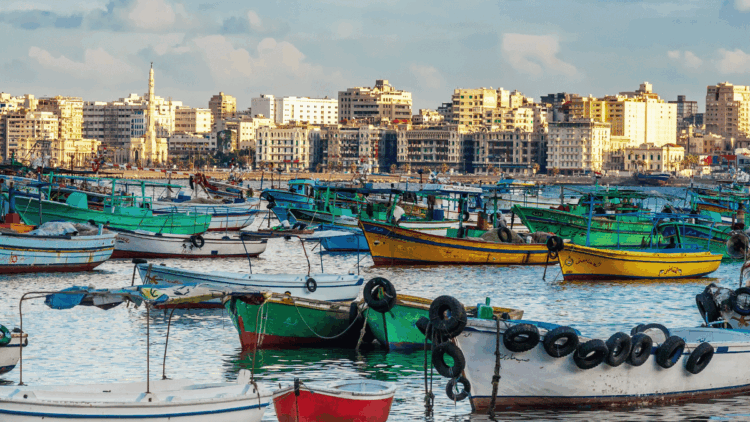
Fishing vessels in an Egyptian port where fisheries data are collected

Egypt has installed four solar-powered offices at selected Mediterranean fishing ports to strengthen fisheries data collection and monitoring.

Fisheries data collection in Egypt is moving directly to the country’s ports. Four prefabricated, solar-powered offices equipped with basic laboratory facilities will record catch, fishing effort, discards, vulnerable species and socioeconomic information. Supported by the FAO’s General Fisheries Commission for the Mediterranean and funded by the European Union, the project aims to produce more complete and reliable data where the fleet operates.

Data collection where the catch comes ashore

The principle is straightforward: bring data collectors closer to fishers and to the places where catches are landed.

This need lies behind the pilot project launched by Egypt’s Lakes and Fish Resources Protection and Development Agency (LFRPDA), with the support of the General Fisheries Commission for the Mediterranean (GFCM), FAO Egypt and the European Union.

Four prefabricated units have been installed at fishing ports along Egypt’s Mediterranean coast. They will be more than administrative offices: the facilities will provide permanent operational bases for collecting and initially processing fisheries information, with basic laboratory equipment and solar power.

The aim is to reduce one of the most practical weaknesses of fisheries monitoring: the distance between the places where fishing takes place and those where the resulting data are subsequently organised and analysed.

Catch, discards and vulnerable species under observation

The new facilities will record catch volumes and fishing effort, alongside biological and socioeconomic information.

Monitoring will also cover discards and vulnerable species. These data are essential to understand not only how much is being caught, but also how fleet activity interacts with marine resources.

Working directly at landing sites should simplify sample transport, reduce logistical steps and encourage more regular exchanges among fisheries experts, fishers and local communities.

The expected outcome is a stream of data that is more continuous, better organised and more closely aligned with the day-to-day reality of fleet operations.

Better fisheries management starts with better knowledge

The Egyptian project addresses a central issue for the entire Mediterranean: fisheries decisions are only as robust as the data on which they are based.

Assessing stock status, measuring fishing effort and identifying emerging problems all require reliable and up-to-date information. This need spans the entire basin and lies at the heart of the debate surrounding the latest State of Mediterranean and Black Sea Fisheries report.

For industry operators, one point deserves emphasis: at present, the project does not introduce new obligations for fishers. Instead, it changes the system used to collect and organise information already required to monitor the sector.

The focus therefore shifts from simply increasing controls to measuring more accurately what actually happens at sea and in fishing ports.

A pilot model with potential to scale

The four offices were established under MedSea4Fish, the GFCM programme designed to strengthen the scientific and technical capacities of Mediterranean countries.

According to the FAO’s General Fisheries Commission for the Mediterranean, the new facilities will also act as a testing ground. They will help determine whether permanent port-based data collection can work effectively and potentially be replicated on a wider scale.

For now, this remains a pilot initiative rather than a fully validated model.

The underlying principle, however, is practical: better fisheries decisions require better information. Collecting that information directly in ports may be one of the simplest ways to bring fisheries data closer to the operational reality of the fleets.

Tags: catch datadiscardsEgyptFAOfisheries data collectionFisheries managementfisheries monitoringFishing effortfishing portsGFCMMediterranean fisheriesMedSea4Fishvulnerable species
CondividiTweetCondividiPinInviaCondividiInvia
Articolo precedente

Fasolari, la crisi dell’Alto Adriatico cerca una risposta comune

Prossimo articolo

Blue News Sicilia 32 | Isole minori, controlli sul pesce e turismo

Luca Di Noto

Luca Di Noto

Giornalista e autore Pesceinrete Luca Di Noto è giornalista e autore Pesceinrete. Scrive contenuti dedicati a imprese, prodotti, mercati, consumi, food service, distribuzione e trasformazione del settore ittico. Nei suoi articoli segue la filiera seafood con un taglio professionale, attento alle dinamiche economiche e alla leggibilità dei fenomeni commerciali.

Articoli Correlati

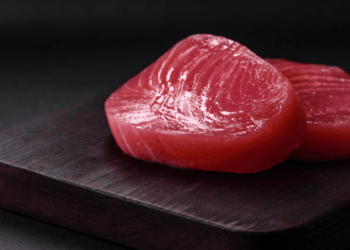
Tuna cuts

How tuna cuts differ in flavour and market value

by Davide Ciravolo
15 Ottobre 2026

From akami to ventresca, a guide to tuna cuts, their culinary uses, processing yield and commercial value across the seafood...

EU packaging rules and EPR simplification for seafood SMEs

EU packaging rules could ease EPR obligations for SMEs

by Alice Giacalone
13 Ottobre 2026

The European Parliament’s Environment Committee backs a temporary suspension of the EPR authorised-representative requirement. What the proposal could mean for...

Italian seafood specialities linked to coastal food tourism

Tourism offers opportunities for Italian seafood specialities

by Candida Ciravolo
12 Ottobre 2026

Among Italian shopping tourists surveyed, 73% always or almost always buy food and non-alcoholic drinks. For seafood producers, local identity,...

Pesci economici da scegliere al banco

7 affordable fish worth choosing at the seafood counter

by Candida Ciravolo
11 Ottobre 2026

Mackerel, sardines, anchovies, horse mackerel, grey mullet, bogue and blue whiting can all offer good value. What matters is the...

Lascia un commento Annulla risposta

Il tuo indirizzo email non sarà pubblicato. I campi obbligatori sono contrassegnati *

Questo sito utilizza Akismet per ridurre lo spam. Scopri come vengono elaborati i dati derivati dai commenti.


Articoli più letti

  • 10 pesci costosi e prelibati
  • Le specie di sarago del Mediterraneo
  • Pesci con più e meno mercurio
  • Molva, una ricchezza del Mare del Nord
  • Molluschi bivalvi: descrizione e caratteristiche
  • Congelare il tonno in scatola
  • Gattuccio e palombo, gli squali buoni da mangiare
  • Triglia: caratteristiche e proprietà nutrizionali
  • Mangiare il tonno crudo: vantaggi e pericoli
  • Sgombro e lanzardo, pesce azzurro per il cuore
Pesceinrete

Pesceinrete è la testata giornalistica unica in Italia ad occuparsi di pesca commerciale ed acquacoltura. In quanto canale tematico e dai contenuti specializzati, si rivolge direttamente agli operatori della filiera con una comunicazione targettizzata che risponde alle esigenze del settore.

Segui le nostre pagine social

Stock images by Depositphotos

Newsletter

Categorie

  • News Ittico
  • Pesca
  • Acquacoltura
  • Associazioni di categoria
  • Sindacati
  • ONG
  • Tecnologia
  • Sostenibilità
  • Mercati
  • Eventi e Fiere
  • Overseas
  • Nutrizione e salute
  • Approfondimenti
  • Chi siamo
  • Policy editoriali
  • Partner
  • Contatti
  • Pubblicità
  • Newsletter
  • Mappa del sito

© 2026 INRETE S.R.L. P.Iva: 02557660814 - Pesceinrete - Il quotidiano del settore ittico | Credits

Pesceinrete
Gestisci Consenso

Usiamo cookie tecnici per far funzionare il sito, e cookie statistici (anche di terze parti) per capire come viene usato e migliorarlo. Puoi accettare tutto, rifiutare tutto o scegliere quali attivare — restando comunque libero di navigare senza restrizioni.

Funzionale Sempre attivo
L'archiviazione tecnica o l'accesso sono strettamente necessari al fine legittimo di consentire l'uso di un servizio specifico esplicitamente richiesto dall'abbonato o dall'utente, o al solo scopo di effettuare la trasmissione di una comunicazione su una rete di comunicazione elettronica.
Preferenze
L'archiviazione tecnica o l'accesso sono necessari per lo scopo legittimo di memorizzare le preferenze che non sono richieste dall'abbonato o dall'utente.
Statistiche
L'archiviazione tecnica o l'accesso che viene utilizzato esclusivamente per scopi statistici. L'archiviazione tecnica o l'accesso che viene utilizzato esclusivamente per scopi statistici anonimi. Senza un mandato di comparizione, una conformità volontaria da parte del vostro Fornitore di Servizi Internet, o ulteriori registrazioni da parte di terzi, le informazioni memorizzate o recuperate per questo scopo da sole non possono di solito essere utilizzate per l'identificazione.
Marketing
L'archiviazione tecnica o l'accesso sono necessari per creare profili di utenti per inviare pubblicità, o per tracciare l'utente su un sito web o su diversi siti web per scopi di marketing simili.
  • Gestisci opzioni
  • Gestisci servizi
  • Gestisci {vendor_count} fornitori
  • Per saperne di più su questi scopi
Personalizza
  • {title}
  • {title}
  • {title}
  • Home
  • Nutrizione e salute
  • Pesca
  • Acquacoltura
  • Approfondimenti
  • Tecnologia
  • Sostenibilità
  • Mercati
  • Guida Buyer NEW
  • Overseas English
  • Archivio
  • Chi siamo
  • Contatti
  • Partner
  • Pubblicità
  • Newsletter
Nessun Risultato
Vedi tutti i Risultati

© 2026 INRETE S.R.L. P.Iva: 02557660814 - Pesceinrete - Il quotidiano del settore ittico | Credits