Overseas


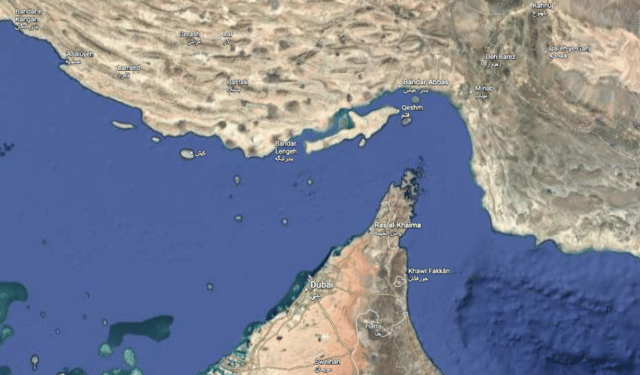
The Hormuz Strait seafood supply chain disruption is becoming a growing concern for global trade as geopolitical tensions escalate in one of the most strategic maritime corridors on the planet. With the war involving the United States, Israel and Iran, several shipping operators have reduced their activity in the Gulf or ordered vessels to reposition toward safer waters. At the same time, the marine insurance sector has begun withdrawing or cancelling “war risk” coverage for the Persian Gulf and nearby waters, raising operational risks for shipowners.
The Strait of Hormuz is not an ordinary maritime passage. Around 20% of the world’s oil supply moves through this narrow corridor every day. Following the recent attacks, oil and gas prices reacted immediately, reflecting the possibility of a prolonged disruption to global energy flows. For the seafood supply chain, the impact is direct: when crude oil rises, marine fuel and logistics costs follow, and the shock spreads quickly through processing, refrigeration and distribution.
On the transport side, several shipping companies have already announced suspensions, route deviations and conflict-related surcharges, affecting container traffic including refrigerated units. For seafood, this is a critical issue. Tuna, tropical shrimp, whitefish and many frozen or processed products rely on long-distance reefer transport and predictable transit times. When routes lengthen or container costs rise, pressure shifts first to importers and processors, and ultimately to final market prices.
The crisis is not limited to maritime transport. Air cargo routes between Asia and Europe are also experiencing disruptions and detours. FedEx has announced a temporary suspension of pickup and delivery services in several Middle Eastern countries, warning that transit times could also increase in other markets across the region. For fresh and premium seafood products that depend on air freight, time is a decisive factor. Longer transit means higher costs and greater complexity in maintaining product quality.
Insurance developments could further amplify the situation. The withdrawal of war risk coverage makes transiting the region more expensive and may encourage additional vessels to avoid the area altogether. This reduces available shipping capacity and increases volatility in freight rates. In scenarios of prolonged instability, this combination — energy prices, freight costs and insurance risk — tends to cascade throughout the entire supply chain, from raw materials to logistics and distribution.
For the European seafood sector, this is not the moment for speculative predictions but for operational monitoring. Three indicators deserve daily attention: the trend of oil prices, the level of container surcharges (particularly for reefer units), and the availability and cost of air cargo on Asia–Europe routes. In interconnected markets, a crisis in a single logistical chokepoint can reach company balance sheets within days, especially for businesses operating on spot contracts, regular imports or production programs built around tight supply flows.
The conflict with Iran is highlighting a simple reality: when a strategic region becomes unstable, the consequences do not remain confined to international headlines. They translate into cost, time and risk. And for the seafood industry, they quickly become a concrete commercial variable.