• HOME
  • CHI SIAMO
  • CONTATTI
  • PARTNER
  • PUBBLICITÀ
  • NEWSLETTER
  • ARCHIVIO
    • Bandi e Opportunità
    • Speciali
    • Rubriche
    • Nutrizione e salute
    • Interviste
    • Video
mercoledì 16 Settembre, 2026
Pesceinrete
  • Pesca
  • Nutrizione e salute
  • Acquacoltura
    • Acquaponica
    • Algocoltura
  • Approfondimenti
  • Tecnologia
  • Sostenibilità
  • Mercati
  • OverseasNew
Nessun Risultato
Vedi tutti i Risultati
Pesceinrete
  • Pesca
  • Nutrizione e salute
  • Acquacoltura
    • Acquaponica
    • Algocoltura
  • Approfondimenti
  • Tecnologia
  • Sostenibilità
  • Mercati
  • OverseasNew
Nessun Risultato
Vedi tutti i Risultati
Pesceinrete
Nessun Risultato
Vedi tutti i Risultati

Home Overseas

Italian Aquaculture: Data, Innovation and Sustainability

According to official data from the Associazione Piscicoltori Italiani (API), national production reached 51,000 tons of farmed fish, with an economic value of €287.6 million.

Davide Ciravolo by Davide Ciravolo
12 Novembre 2025
in Overseas
Italian Aquaculture: Data, Innovation and Sustainability

Italian Aquaculture: Data, Innovation and Sustainability

There is an Italy that works far from the spotlight, where the sound of water tanks replaces that of crowded squares, and patience counts more than speed. It’s the Italy of aquaculture, a network of enterprises and expertise that in 2024 confirmed its solidity, strengthening trust in a production model capable of generating value without compromising sustainability.

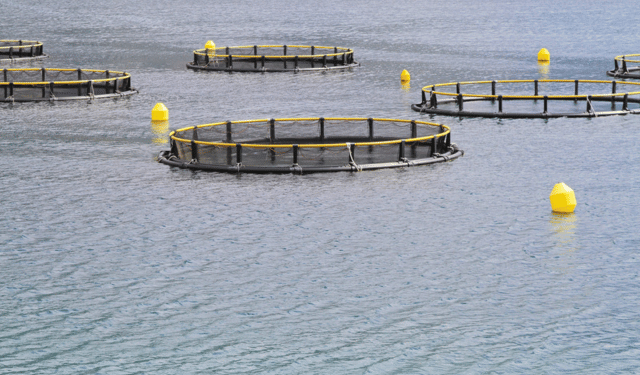
According to official data from the Associazione Piscicoltori Italiani (API), national production reached 51,000 tons of farmed fish, with an economic value of €287.6 million. These are not random figures: behind every ton lies a blend of research, innovation, and production culture.

Italian aquaculture plans, invests, and endures

Trout remains the sector’s backbone with 28,700 tons, followed by gilt-head bream (9,900 tons) and sea bass (5,100 tons). Yet success is not only about volumes. It lies in maintaining the balance between competitiveness and environmental protection, productivity and territorial identity.

Italian aquaculture doesn’t follow global trends—it anticipates them with method, investing in biosecurity, genetic quality, and system innovation. This approach leads to more efficient facilities, resilient species, and products that reach the market with the credibility of well-crafted work.

Caviar as a symbol of excellence

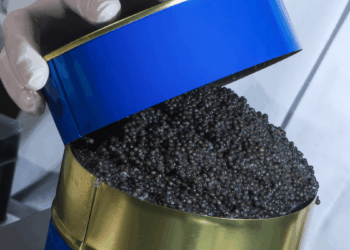
Among the most remarkable results of 2024 is the production of 67 tons of caviar, confirming Italy as Europe’s leading producer and second in the world after China. This is not merely a record—it reflects a precision-driven economy, where time, water quality, and animal welfare shape a top-tier supply chain.

At the same time, Italian hatcheries produced over 680 million fry and fertilized eggs—including breams, basses, and salmonids—ensuring both biological continuity and productive independence.

Diversity as the key to stability

From mullets to sturgeons, carps to char, over 25 species highlight the diversity of a system balanced across inland waters, lagoons, and open seas. Land-based and offshore facilities generated 47,850 tons, while lagoon and brackish farms accounted for 3,150 tons. It’s a productive geography embracing the entire country—from the Alps to the Sicilian coast.

This diversity is not just biological but strategic: it shields the industry from market fluctuations and fuels innovation. Italian aquaculture stands out for this smart flexibility, where technology and tradition evolve together.

API’s vision: sustainability and simplification

At the recent general assembly in Verona, President Matteo Leonardi reaffirmed the sector’s direction: competitiveness, market access, innovation, and environmental sustainability. He also issued a clear request—less bureaucracy and more practical tools for those who create value.

API’s three-year strategy aims to make the sector even more efficient, focusing on biosecurity, digitalization, and administrative simplification. It’s a vision grounded in pragmatism, recognizing that only those who produce daily understand how administrative complexity can slow innovation.

An industrial and cultural excellence

Today, Italian aquaculture is no longer a niche. It’s an industry of knowledge that generates employment, safeguards local territories, and strengthens the country’s food security. Every figure from 2024 tells a story of balance between business and nature, between technique and sensibility.

And for those who still see aquaculture as a compromise, these numbers speak for themselves: Italy’s fish farming is one of the most advanced supply chains in Europe, one that doesn’t seek applause—only results.

Stay ahead of change in the blue economy. Subscribe to our newsletter and get insights on sustainability, innovation, and market trends shaping the seafood sector.
NEWSLETTER

Tags: API report 2024aquaculture innovationbiodiversity aquaculturebiosecurity aquaculturecaviar production Italyfish farming Italyfood security ItalyItalian aquacultureItalian hatcheriesItalian seafood industryMatteo Leonardisea bass and bream farmingsustainable aquaculturesustainable fish productiontrout farming
CondividiTweetCondividiPinInviaCondividiInvia
Articolo precedente

Scognamiglio: “Via libera alla pesca da dicembre, una buona notizia per il settore”

Prossimo articolo

Federpesca: clima costruttivo al tavolo pesca con il MASAF

Davide Ciravolo

Davide Ciravolo

Autore Pesceinrete, retail ittico e mercati seafood Davide Ciravolo è autore Pesceinrete. Si occupa di mercati, distribuzione e scenari commerciali della filiera ittica, con particolare attenzione al rapporto tra prodotto, retail e consumi. La sua esperienza come ex buyer di Esselunga gli permette di osservare il settore seafood anche dal punto di vista della GDO e delle dinamiche di assortimento.

Articoli Correlati

Fishing vessel at sea as warmer ocean temperatures and El Niño shift fish distribution and fishing grounds

El Niño is set to become very strong. Warmer seas are redrawing the geography of fishing

by Luca Di Noto
15 Settembre 2026

What happens to fisheries when seas become warmer? Warmer seas do not simply mean fewer fish. They can change where...

Imported caviar at the centre of the European debate on origin transparency

Imported caviar, European aquaculture calls for clearer origin information

by Mariella Ballatore
11 Settembre 2026

Imported caviar from non-EU countries has become a test case in European aquaculture’s call for greater origin transparency. FEAP warns...

Italian seafood presented to buyers at Seafood Expo Asia in Singapore

From blue crab to red shrimp, buyers put Italy’s seafood supply chain to the test in Singapore

by Redazione
9 Settembre 2026

From blue crab seeking an industrial supply chain to traceable bivalve molluscs and red shrimp for fine dining, Italy is...

Salmon fillet on the processing line at Freezco Eesti in Tallinn

Freezco expands salmon processing for the italian market

by Davide Ciravolo
7 Settembre 2026

Freezco has expanded salmon processing for the Italian market through Freezco Eesti, a facility in Tallinn launched in May 2026....

Commenti 2

  1. Pingback: Quanto guadagna un’Acquacoltura nel 2025 in Italia
  2. Pingback: Quanto guadagna un’Acquacoltura nel 2025 in Italia

Lascia un commento Annulla risposta

Il tuo indirizzo email non sarà pubblicato. I campi obbligatori sono contrassegnati *

Questo sito utilizza Akismet per ridurre lo spam. Scopri come vengono elaborati i dati derivati dai commenti.


Articoli più letti

  • 10 pesci costosi e prelibati
  • Le specie di sarago del Mediterraneo
  • Pesci con più e meno mercurio
  • Molva, una ricchezza del Mare del Nord
  • Molluschi bivalvi: descrizione e caratteristiche
  • Congelare il tonno in scatola
  • Gattuccio e palombo, gli squali buoni da mangiare
  • Triglia: caratteristiche e proprietà nutrizionali
  • Mangiare il tonno crudo: vantaggi e pericoli
  • Sgombro e lanzardo, pesce azzurro per il cuore
Pesceinrete

Pesceinrete è la testata giornalistica unica in Italia ad occuparsi di pesca commerciale ed acquacoltura. In quanto canale tematico e dai contenuti specializzati, si rivolge direttamente agli operatori della filiera con una comunicazione targettizzata che risponde alle esigenze del settore.

Segui le nostre pagine social

Stock images by Depositphotos

Newsletter

Categorie

  • News Ittico
  • Pesca
  • Acquacoltura
  • Associazioni di categoria
  • Sindacati
  • ONG
  • Tecnologia
  • Sostenibilità
  • Mercati
  • Eventi e Fiere
  • Overseas
  • Nutrizione e salute
  • Approfondimenti
  • Chi siamo
  • Policy editoriali
  • Partner
  • Contatti
  • Pubblicità
  • Newsletter
  • Mappa del sito

© 2026 INRETE S.R.L. P.Iva: 02557660814 - Pesceinrete - Il quotidiano del settore ittico | Credits

Pesceinrete
Gestisci Consenso

Usiamo cookie tecnici per far funzionare il sito, e cookie statistici (anche di terze parti) per capire come viene usato e migliorarlo. Puoi accettare tutto, rifiutare tutto o scegliere quali attivare — restando comunque libero di navigare senza restrizioni.

Funzionale Sempre attivo
L'archiviazione tecnica o l'accesso sono strettamente necessari al fine legittimo di consentire l'uso di un servizio specifico esplicitamente richiesto dall'abbonato o dall'utente, o al solo scopo di effettuare la trasmissione di una comunicazione su una rete di comunicazione elettronica.
Preferenze
L'archiviazione tecnica o l'accesso sono necessari per lo scopo legittimo di memorizzare le preferenze che non sono richieste dall'abbonato o dall'utente.
Statistiche
L'archiviazione tecnica o l'accesso che viene utilizzato esclusivamente per scopi statistici. L'archiviazione tecnica o l'accesso che viene utilizzato esclusivamente per scopi statistici anonimi. Senza un mandato di comparizione, una conformità volontaria da parte del vostro Fornitore di Servizi Internet, o ulteriori registrazioni da parte di terzi, le informazioni memorizzate o recuperate per questo scopo da sole non possono di solito essere utilizzate per l'identificazione.
Marketing
L'archiviazione tecnica o l'accesso sono necessari per creare profili di utenti per inviare pubblicità, o per tracciare l'utente su un sito web o su diversi siti web per scopi di marketing simili.
  • Gestisci opzioni
  • Gestisci servizi
  • Gestisci {vendor_count} fornitori
  • Per saperne di più su questi scopi
Personalizza
  • {title}
  • {title}
  • {title}
  • Home
  • Nutrizione e salute
  • Pesca
  • Acquacoltura
  • Approfondimenti
  • Tecnologia
  • Sostenibilità
  • Mercati
  • Overseas English NEW
  • Archivio
  • Chi siamo
  • Contatti
  • Partner
  • Pubblicità
  • Newsletter
Nessun Risultato
Vedi tutti i Risultati

© 2026 INRETE S.R.L. P.Iva: 02557660814 - Pesceinrete - Il quotidiano del settore ittico | Credits