• HOME
  • CHI SIAMO
  • CONTATTI
  • PARTNER
  • PUBBLICITÀ
  • NEWSLETTER
  • ARCHIVIO
    • Bandi e Opportunità
    • Speciali
    • Rubriche
    • Nutrizione e salute
    • Interviste
    • Video
martedì 15 Settembre, 2026
Pesceinrete
  • Pesca
  • Nutrizione e salute
  • Acquacoltura
    • Acquaponica
    • Algocoltura
  • Approfondimenti
  • Tecnologia
  • Sostenibilità
  • Mercati
  • OverseasNew
Nessun Risultato
Vedi tutti i Risultati
Pesceinrete
  • Pesca
  • Nutrizione e salute
  • Acquacoltura
    • Acquaponica
    • Algocoltura
  • Approfondimenti
  • Tecnologia
  • Sostenibilità
  • Mercati
  • OverseasNew
Nessun Risultato
Vedi tutti i Risultati
Pesceinrete
Nessun Risultato
Vedi tutti i Risultati

Home Overseas

Italian fisheries regulations 2026: bluefin tuna quota, Adriatic limits and SSCF access

Italy defines bluefin tuna quotas for 2026–2028 and tightens Adriatic fishing rules, opening access to small-scale coastal fisheries.

Tiziana Indorato by Tiziana Indorato
8 Aprile 2026
in Overseas
Italian fisheries regulations 2026: bluefin tuna quota, Adriatic limits and SSCF access

Italian fisheries regulations 2026: bluefin tuna quota, Adriatic limits and SSCF access

In April 2026, Italian fisheries regulations take a more defined and operational shape through two key decrees signed by the Ministry of Agriculture, Food Sovereignty and Forestry (MASAF). Far from routine administrative acts, these measures directly impact fishing communities across Italy, reshaping how fleets operate within an increasingly complex balance of sustainability, market dynamics and regulatory constraints.

Signed by Director General Graziella Romito, the decrees establish the national framework for bluefin tuna fishing (2026–2028) and introduce updated 2026 rules for small pelagic fisheries, with a strong geographic focus on the Adriatic Sea.

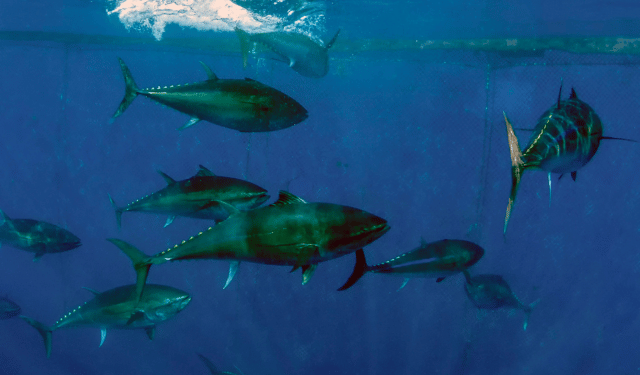
Bluefin tuna quota Italy: 6,182.610 tons per year

The most significant figure defines the scale of the sector:
Italy is allocated 6,182.610 tons of bluefin tuna annually for 2026, 2027 and 2028.

This quota is distributed across fishing systems, maintaining the central role of purse seine fisheries, alongside longliners and fixed tuna traps. Additional allocations support the production chain, recreational fishing and a reserve quota to ensure operational flexibility.

Beyond the numbers, the decree introduces a strategic objective: greater stability for operators, enabling better planning across fishing, processing and commercialization phases in the Italian seafood supply chain.

Small-scale coastal fisheries enter the tuna system (SSCF)

The most relevant innovation is the first-ever inclusion of small-scale coastal fisheries (SSCF) in bluefin tuna quota access.

Introduced on a pilot basis for 2026, this measure opens the system to vessels that are:

  • Under 12 meters in length
  • Operating trips shorter than 24 hours
  • Using selective, low-impact fishing techniques
  • Already authorized for swordfish or albacore tuna

The system distinguishes two segments:

  • SSCF-A: 1.5 tons per vessel
  • SSCF-B: 1 ton per vessel

This represents not only a technical adjustment, but also a policy shift toward recognizing smaller fishing communities, traditionally more vulnerable economically.

However, access remains strictly regulated. Quota transfers are limited:

  • Up to 50% within the same fishing system (with authorization)
  • Between systems only under specific conditions (same owner or same producer organization)

For SSCF fleets, transfers are even more restricted, excluding exchanges with purse seine vessels and fixed tuna traps.

Traceability and control: stricter rules for bluefin tuna

The decree reinforces traceability requirements across the Italian tuna supply chain.

Each landed bluefin tuna must:

  • Be tagged with an official state seal
  • Be linked to an electronic catch document
  • Include individual weight verification

Landing and transshipment are allowed only in designated ports, strengthening transparency and market integrity.

Recreational fishing is permitted from June 16 to October 14, while catch and release remains allowed year-round. Anti-mafia controls apply fully to industrial fleets, with sampling checks for small-scale fisheries.

Adriatic fishing limits 2026: focus on small pelagics

The second decree introduces detailed measures for anchovy and sardine fisheries, particularly in the Adriatic Sea.

Fishing effort is capped at:

  • 20 fishing days per month (average)
  • Maximum 180 days per year

Weekly biological stops are mandatory:

  • Purse seine: Friday/Saturday to Sunday/Monday windows
  • Midwater trawl (volante): Saturday to Monday

Recovery of lost fishing days due to weather or lunar conditions is allowed with prior notification.

4-mile coastal ban for vessels over 12 meters

From April 1 to December 31, 2026, vessels over 12 meters are prohibited from fishing small pelagics within 4 nautical miles from the coast, in the area between Monfalcone and Gallipoli.

This measure significantly reshapes operational patterns in the Adriatic and aims to reduce pressure on sensitive coastal ecosystems.

Biological closures for anchovies and sardines

The regulation introduces highly localized seasonal closures to protect spawning and nursery areas.

For anchovies:

  • Purse seine: September (Trieste–Monfalcone), May (Venice–Gallipoli)
  • Midwater trawl: August–September depending on sub-area

For sardines:

  • Purse seine: March (entire Adriatic range)
  • Midwater trawl: closures distributed between winter and autumn

These measures reflect a science-based management approach, adapting rules to biological cycles and geographic stock distribution.

A more regulated Italian fishing system

Taken together, the two decrees outline a highly structured fisheries management model in Italy, based on:

  • Segmented fleet access
  • Area-specific regulations
  • Measurable sustainability constraints
  • Strong traceability systems

On one side, bluefin tuna policy balances continuity with cautious inclusion of small-scale fisheries. On the other, Adriatic small pelagic fisheries face increasingly detailed operational limits.

Conclusion

For Italian fishing operators, 2026 marks a transition toward a more controlled and adaptive system. Success will depend less on catch capacity alone and more on the ability to navigate regulations, optimize operations and align with sustainability requirements.

In today’s Italian fisheries sector, resource management, market dynamics and regulation must coexist. Without this balance, the entire system risks structural instability.
Tags: Adriatic fishing limitsAdriatic Sea fishing rulesanchovy sardine Adriaticbluefin tuna Italy quotabluefin tuna Mediterraneancoastal fisheries ItalyEU fisheries Italyfishing quotas Italy 2026Italian fishing regulationsItaly fisheries 2026MASAF Italy fisheriesMediterranean fisheries managementsmall pelagic fisheries ItalySSCF Italy fisheries
CondividiTweetCondividiPinInviaCondividiInvia
Articolo precedente

Acquacoltura: come costruire credibilità sul mercato

Prossimo articolo

Pesca in crisi: le associazioni scrivono al Ministero del Lavoro

Tiziana Indorato

Tiziana Indorato

Autrice Pesceinrete Tiziana Indorato scrive per Pesceinrete occupandosi di seafood, sostenibilità, mercati, innovazione e scenari internazionali. I suoi articoli seguono l’evoluzione della filiera ittica con attenzione ai cambiamenti ambientali, commerciali e regolatori che incidono sul lavoro delle imprese e sulla percezione del prodotto ittico.

Articoli Correlati

Fishing vessel at sea as warmer ocean temperatures and El Niño shift fish distribution and fishing grounds

El Niño is set to become very strong. Warmer seas are redrawing the geography of fishing

by Luca Di Noto
15 Settembre 2026

What happens to fisheries when seas become warmer? Warmer seas do not simply mean fewer fish. They can change where...

Imported caviar at the centre of the European debate on origin transparency

Imported caviar, European aquaculture calls for clearer origin information

by Mariella Ballatore
11 Settembre 2026

Imported caviar from non-EU countries has become a test case in European aquaculture’s call for greater origin transparency. FEAP warns...

Italian seafood presented to buyers at Seafood Expo Asia in Singapore

From blue crab to red shrimp, buyers put Italy’s seafood supply chain to the test in Singapore

by Redazione
9 Settembre 2026

From blue crab seeking an industrial supply chain to traceable bivalve molluscs and red shrimp for fine dining, Italy is...

Salmon fillet on the processing line at Freezco Eesti in Tallinn

Freezco expands salmon processing for the italian market

by Davide Ciravolo
7 Settembre 2026

Freezco has expanded salmon processing for the Italian market through Freezco Eesti, a facility in Tallinn launched in May 2026....

Lascia un commento Annulla risposta

Il tuo indirizzo email non sarà pubblicato. I campi obbligatori sono contrassegnati *

Questo sito utilizza Akismet per ridurre lo spam. Scopri come vengono elaborati i dati derivati dai commenti.


Articoli più letti

  • 10 pesci costosi e prelibati
  • Le specie di sarago del Mediterraneo
  • Pesci con più e meno mercurio
  • Molva, una ricchezza del Mare del Nord
  • Molluschi bivalvi: descrizione e caratteristiche
  • Congelare il tonno in scatola
  • Gattuccio e palombo, gli squali buoni da mangiare
  • Triglia: caratteristiche e proprietà nutrizionali
  • Mangiare il tonno crudo: vantaggi e pericoli
  • Sgombro e lanzardo, pesce azzurro per il cuore
Pesceinrete

Pesceinrete è la testata giornalistica unica in Italia ad occuparsi di pesca commerciale ed acquacoltura. In quanto canale tematico e dai contenuti specializzati, si rivolge direttamente agli operatori della filiera con una comunicazione targettizzata che risponde alle esigenze del settore.

Segui le nostre pagine social

Stock images by Depositphotos

Newsletter

Categorie

  • News Ittico
  • Pesca
  • Acquacoltura
  • Associazioni di categoria
  • Sindacati
  • ONG
  • Tecnologia
  • Sostenibilità
  • Mercati
  • Eventi e Fiere
  • Overseas
  • Nutrizione e salute
  • Approfondimenti
  • Chi siamo
  • Policy editoriali
  • Partner
  • Contatti
  • Pubblicità
  • Newsletter
  • Mappa del sito

© 2026 INRETE S.R.L. P.Iva: 02557660814 - Pesceinrete - Il quotidiano del settore ittico | Credits

Pesceinrete
Gestisci Consenso

Usiamo cookie tecnici per far funzionare il sito, e cookie statistici (anche di terze parti) per capire come viene usato e migliorarlo. Puoi accettare tutto, rifiutare tutto o scegliere quali attivare — restando comunque libero di navigare senza restrizioni.

Funzionale Sempre attivo
L'archiviazione tecnica o l'accesso sono strettamente necessari al fine legittimo di consentire l'uso di un servizio specifico esplicitamente richiesto dall'abbonato o dall'utente, o al solo scopo di effettuare la trasmissione di una comunicazione su una rete di comunicazione elettronica.
Preferenze
L'archiviazione tecnica o l'accesso sono necessari per lo scopo legittimo di memorizzare le preferenze che non sono richieste dall'abbonato o dall'utente.
Statistiche
L'archiviazione tecnica o l'accesso che viene utilizzato esclusivamente per scopi statistici. L'archiviazione tecnica o l'accesso che viene utilizzato esclusivamente per scopi statistici anonimi. Senza un mandato di comparizione, una conformità volontaria da parte del vostro Fornitore di Servizi Internet, o ulteriori registrazioni da parte di terzi, le informazioni memorizzate o recuperate per questo scopo da sole non possono di solito essere utilizzate per l'identificazione.
Marketing
L'archiviazione tecnica o l'accesso sono necessari per creare profili di utenti per inviare pubblicità, o per tracciare l'utente su un sito web o su diversi siti web per scopi di marketing simili.
  • Gestisci opzioni
  • Gestisci servizi
  • Gestisci {vendor_count} fornitori
  • Per saperne di più su questi scopi
Personalizza
  • {title}
  • {title}
  • {title}
  • Home
  • Nutrizione e salute
  • Pesca
  • Acquacoltura
  • Approfondimenti
  • Tecnologia
  • Sostenibilità
  • Mercati
  • Overseas English NEW
  • Archivio
  • Chi siamo
  • Contatti
  • Partner
  • Pubblicità
  • Newsletter
Nessun Risultato
Vedi tutti i Risultati

© 2026 INRETE S.R.L. P.Iva: 02557660814 - Pesceinrete - Il quotidiano del settore ittico | Credits