• HOME
  • CHI SIAMO
  • CONTATTI
  • PARTNER
  • PUBBLICITÀ
  • NEWSLETTER
  • ARCHIVIO
    • Bandi e Opportunità
    • Speciali
    • Rubriche
    • Nutrizione e salute
    • Interviste
    • Video
mercoledì 16 Settembre, 2026
Pesceinrete
  • Pesca
  • Nutrizione e salute
  • Acquacoltura
    • Acquaponica
    • Algocoltura
  • Approfondimenti
  • Tecnologia
  • Sostenibilità
  • Mercati
  • OverseasNew
Nessun Risultato
Vedi tutti i Risultati
Pesceinrete
  • Pesca
  • Nutrizione e salute
  • Acquacoltura
    • Acquaponica
    • Algocoltura
  • Approfondimenti
  • Tecnologia
  • Sostenibilità
  • Mercati
  • OverseasNew
Nessun Risultato
Vedi tutti i Risultati
Pesceinrete
Nessun Risultato
Vedi tutti i Risultati

Home Overseas

Fisheries Must Be Central to the Post-2027 CAP, Says Minister Lollobrigida

Italy urges the EU to allocate dedicated budget lines for both agriculture and fisheries, rejecting a one-size-fits-all approach

Redazione by Redazione
28 Luglio 2025
in Overseas
fisheries in the post-2027 Common Agricultural Policy

The post-2027 Common Agricultural Policy must recognize the central role of fisheries, on par with agriculture.
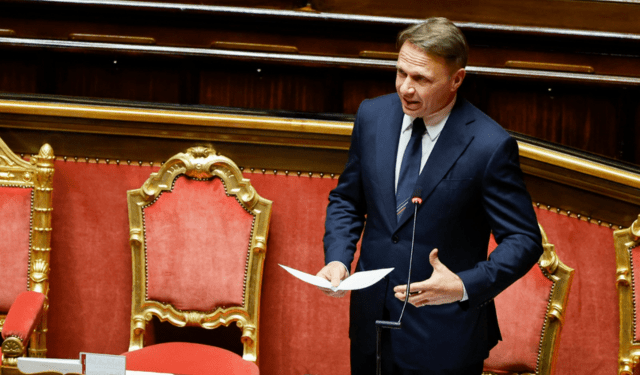
This was the key message delivered by Minister Francesco Lollobrigida during the Senate’s Question Time on July 24, 2025.

Today more than ever, the Common Agricultural Policy and the fisheries sector are closely intertwined in a critical debate on the future of European policies. During the Senate’s Question Time, the Minister of Agriculture, Food Sovereignty and Forests, Francesco Lollobrigida, addressed a series of questions concerning the proposed CAP 2028–2034 framework. He emphasized the urgent need to avoid a one-size-fits-all approach to EU funds that could undermine strategic sectors—fisheries included.

The Minister recalled how Italy played a leading role in promoting a joint position paper critical of the European Commission’s initial draft. The document gained support from 17 other Member States, and was later joined by Spain. The shared objective is clear: to defend dedicated allocations for the agricultural and fisheries sectors within the EU budget, preventing them from being left to the discretion of individual Member States.

“We believe that a single, undifferentiated fund does not reflect a truly European vision capable of ensuring food sovereignty. What is needed are targeted instruments that recognize—not a privilege, but the specificity—of both agriculture and fisheries,” the Minister stated, reaffirming Italy’s commitment to correcting what he described as a strategic mistake.

Lollobrigida also announced the upcoming presentation of a draft bill, linked to the national budget law, allocating one billion euros in national funding to support agriculture. Although not explicitly mentioned, it is reasonable to expect that part of this funding could benefit aquaculture and fisheries supply chains, as part of an integrated agrifood strategy.

Finally, another point of relevance for the fisheries sector emerged from the Minister’s reply to a question on the implications of new U.S. tariffs on European agri-food products. Lollobrigida highlighted that agri-food exports—including processed fish products—account for 12% of Italy’s total exports, with a 17% increase compared to the previous year. This growth underscores the strategic importance of dialogue with the United States to avoid harmful tariff measures.

The fisheries sector was explicitly referenced by Minister Lollobrigida in the context of the CAP 2028–2034 reform, as Italy firmly calls for its specificity to be recognized within the EU budget. At the same time, the introduction of new U.S. tariffs on agri-food products poses new challenges for processed seafood exports, highlighting the urgent need to defend the sector’s competitiveness with a coherent and proactive strategy.

Iscriviti alla newsletter settimanale di Pesceinrete per ricevere notizie esclusive del settore.

NEWSLETTER

Tags: AquacultureCAP 2028–2034Common Agricultural PolicyEU Agriculture ReformEU BudgetEuropean FisheriesFisheries PolicyFood SovereigntyFrancesco LollobrigidaItalian Ministry of AgricultureProcessed Seafood ExportsUS Tariffs
CondividiTweetCondividiPinInviaCondividiInvia
Articolo precedente

Acquacoltura a bordo: la Cina converte una nave cargo in allevamento galleggiante

Prossimo articolo

Il merluzzo russo guida le forniture cinesi, in calo l’export norvegese

Redazione

Redazione

Articoli Correlati

Fishing vessel at sea as warmer ocean temperatures and El Niño shift fish distribution and fishing grounds

El Niño is set to become very strong. Warmer seas are redrawing the geography of fishing

by Luca Di Noto
15 Settembre 2026

What happens to fisheries when seas become warmer? Warmer seas do not simply mean fewer fish. They can change where...

Imported caviar at the centre of the European debate on origin transparency

Imported caviar, European aquaculture calls for clearer origin information

by Mariella Ballatore
11 Settembre 2026

Imported caviar from non-EU countries has become a test case in European aquaculture’s call for greater origin transparency. FEAP warns...

Italian seafood presented to buyers at Seafood Expo Asia in Singapore

From blue crab to red shrimp, buyers put Italy’s seafood supply chain to the test in Singapore

by Redazione
9 Settembre 2026

From blue crab seeking an industrial supply chain to traceable bivalve molluscs and red shrimp for fine dining, Italy is...

Salmon fillet on the processing line at Freezco Eesti in Tallinn

Freezco expands salmon processing for the italian market

by Davide Ciravolo
7 Settembre 2026

Freezco has expanded salmon processing for the Italian market through Freezco Eesti, a facility in Tallinn launched in May 2026....

Lascia un commento Annulla risposta

Il tuo indirizzo email non sarà pubblicato. I campi obbligatori sono contrassegnati *

Questo sito utilizza Akismet per ridurre lo spam. Scopri come vengono elaborati i dati derivati dai commenti.


Articoli più letti

  • 10 pesci costosi e prelibati
  • Le specie di sarago del Mediterraneo
  • Pesci con più e meno mercurio
  • Molva, una ricchezza del Mare del Nord
  • Molluschi bivalvi: descrizione e caratteristiche
  • Congelare il tonno in scatola
  • Gattuccio e palombo, gli squali buoni da mangiare
  • Triglia: caratteristiche e proprietà nutrizionali
  • Mangiare il tonno crudo: vantaggi e pericoli
  • Sgombro e lanzardo, pesce azzurro per il cuore
Pesceinrete

Pesceinrete è la testata giornalistica unica in Italia ad occuparsi di pesca commerciale ed acquacoltura. In quanto canale tematico e dai contenuti specializzati, si rivolge direttamente agli operatori della filiera con una comunicazione targettizzata che risponde alle esigenze del settore.

Segui le nostre pagine social

Stock images by Depositphotos

Newsletter

Categorie

  • News Ittico
  • Pesca
  • Acquacoltura
  • Associazioni di categoria
  • Sindacati
  • ONG
  • Tecnologia
  • Sostenibilità
  • Mercati
  • Eventi e Fiere
  • Overseas
  • Nutrizione e salute
  • Approfondimenti
  • Chi siamo
  • Policy editoriali
  • Partner
  • Contatti
  • Pubblicità
  • Newsletter
  • Mappa del sito

© 2026 INRETE S.R.L. P.Iva: 02557660814 - Pesceinrete - Il quotidiano del settore ittico | Credits

Pesceinrete
Gestisci Consenso

Usiamo cookie tecnici per far funzionare il sito, e cookie statistici (anche di terze parti) per capire come viene usato e migliorarlo. Puoi accettare tutto, rifiutare tutto o scegliere quali attivare — restando comunque libero di navigare senza restrizioni.

Funzionale Sempre attivo
L'archiviazione tecnica o l'accesso sono strettamente necessari al fine legittimo di consentire l'uso di un servizio specifico esplicitamente richiesto dall'abbonato o dall'utente, o al solo scopo di effettuare la trasmissione di una comunicazione su una rete di comunicazione elettronica.
Preferenze
L'archiviazione tecnica o l'accesso sono necessari per lo scopo legittimo di memorizzare le preferenze che non sono richieste dall'abbonato o dall'utente.
Statistiche
L'archiviazione tecnica o l'accesso che viene utilizzato esclusivamente per scopi statistici. L'archiviazione tecnica o l'accesso che viene utilizzato esclusivamente per scopi statistici anonimi. Senza un mandato di comparizione, una conformità volontaria da parte del vostro Fornitore di Servizi Internet, o ulteriori registrazioni da parte di terzi, le informazioni memorizzate o recuperate per questo scopo da sole non possono di solito essere utilizzate per l'identificazione.
Marketing
L'archiviazione tecnica o l'accesso sono necessari per creare profili di utenti per inviare pubblicità, o per tracciare l'utente su un sito web o su diversi siti web per scopi di marketing simili.
  • Gestisci opzioni
  • Gestisci servizi
  • Gestisci {vendor_count} fornitori
  • Per saperne di più su questi scopi
Personalizza
  • {title}
  • {title}
  • {title}
  • Home
  • Nutrizione e salute
  • Pesca
  • Acquacoltura
  • Approfondimenti
  • Tecnologia
  • Sostenibilità
  • Mercati
  • Overseas English NEW
  • Archivio
  • Chi siamo
  • Contatti
  • Partner
  • Pubblicità
  • Newsletter
Nessun Risultato
Vedi tutti i Risultati

© 2026 INRETE S.R.L. P.Iva: 02557660814 - Pesceinrete - Il quotidiano del settore ittico | Credits