• HOME
  • CHI SIAMO
  • CONTATTI
  • PARTNER
  • PUBBLICITÀ
  • NEWSLETTER
  • ARCHIVIO
    • Bandi e Opportunità
    • Speciali
    • Rubriche
    • Nutrizione e salute
    • Interviste
    • Video
mercoledì 16 Settembre, 2026
Pesceinrete
  • Pesca
  • Nutrizione e salute
  • Acquacoltura
    • Acquaponica
    • Algocoltura
  • Approfondimenti
  • Tecnologia
  • Sostenibilità
  • Mercati
  • OverseasNew
Nessun Risultato
Vedi tutti i Risultati
Pesceinrete
  • Pesca
  • Nutrizione e salute
  • Acquacoltura
    • Acquaponica
    • Algocoltura
  • Approfondimenti
  • Tecnologia
  • Sostenibilità
  • Mercati
  • OverseasNew
Nessun Risultato
Vedi tutti i Risultati
Pesceinrete
Nessun Risultato
Vedi tutti i Risultati

Home Overseas

Marine Heatwaves Are Reshaping the Western Mediterranean Fishery

A new Scientific Reports study shows how extreme warming events are reducing biomass and threatening commercially important species across the Western Mediterranean, with the southern basin already paying the highest price

Davide Ciravolo by Davide Ciravolo
9 Aprile 2026
in Overseas
Marine Heatwaves Are Reshaping the Western Mediterranean Fishery

Marine Heatwaves Are Reshaping the Western Mediterranean Fishery

Who works at sea already knows that something has changed. The waters feel different, the seasons are less predictable, and some species are behaving in unusual ways. Science is now putting numbers to that perception.

A study by researchers from the Institute of Marine Sciences of the CSIC in Barcelona and the LOCEAN laboratory in Paris, published in Scientific Reports, examines nearly three decades of data from the Western Mediterranean and reaches conclusions the fisheries sector should not ignore. At the heart of the research are marine heatwaves, episodes in which sea temperatures rise abnormally above seasonal averages and remain elevated for days or even weeks.

The research team built a computerized model of the entire Western Mediterranean food web, from microorganisms to top predators, and ran the simulations twice: once including the marine heatwaves recorded between 1995 and 2022, and once without them. Comparing the two scenarios made it possible to isolate the specific effect of these extreme events, separating them from gradual background warming and fishing pressure.

Waters are warming ever deeper

Until a few years ago, marine heatwaves mainly affected the sea surface. Since 2016, however, things have changed. Thermal anomalies have begun reaching depths of 150 meters and even the seabed, often affecting more than 40% of the basin’s total surface area. The year 2022 was the worst in the entire time series. According to the authors, the full effects of that event have not yet fully emerged: fish with long life cycles and species at the top of the food chain may take years to show the consequences of thermal stress.

The south is losing, the north is holding on — for now

One of the study’s most significant findings is the geographic contrast between the northern and southern parts of the basin. Waters in the Gulf of Lion, the Ligurian Sea, and the northern Tyrrhenian Sea show neutral or slightly positive responses to extreme thermal events. Moving south toward the Alboran Sea and the Algerian coast, biomass losses become far more severe across every level of the food chain.

The explanation is not that the north is immune. Rather, species in the southern Mediterranean are already living close to their upper thermal tolerance limits, so every additional heat peak hits them harder. The authors warn, however, that under more extreme scenarios even northern waters could reach temperatures that are currently typical of the south. In other words, the climatic boundary is moving north faster than previously expected.

Benthos, fish and crustaceans: who pays the highest price

Among the hardest-hit categories are benthic producers, including seagrasses, corals and algae, which show an almost continuous decline along much of the western basin’s coastline. For the fishing industry, however, the most concerning issue is the condition of commercially important species.

Pelagic and demersal fish, crustaceans and invertebrates all show reductions in catches that in some areas exceed 10% compared with a scenario without marine heatwaves. Top predators respond more slowly, but in southern areas they have also shown significant declines in the past five years. These impacts do not replace those of gradual warming or fishing pressure. They add to them.

What changes for people who work at sea

Less biomass means less catch. In some parts of the basin, the study reports losses in catches of demersal species, pelagic fish and invertebrates that exceed 10%. These are numbers that can make the difference between a profitable season and a loss-making one.

The authors stress the value of this kind of modelling for management decisions. Knowing in advance which areas and which species are more exposed makes it possible to intervene before the damage becomes irreversible. This is not only a scientific matter. With marine heatwaves becoming more frequent and more intense, reliable ecosystem forecasting tools are becoming essential for the planning of fishing activities across the Mediterranean.

The study is freely accessible in Scientific Reports.

What you need to know

What are marine heatwaves?
They are prolonged periods in which sea surface temperatures rise abnormally above historical seasonal averages for at least five consecutive days. In the Mediterranean, they have increased in frequency, intensity and depth of penetration over the past thirty years.

Which marine species are most affected in the Western Mediterranean?
Benthic producers such as seagrasses and corals show the most consistent decline. Among commercially important species, pelagic and demersal fish, crustaceans and invertebrates record the largest losses, with catch reductions exceeding 10% in southern areas.

Why is the southern Mediterranean more vulnerable than the north?
Species in southern waters are already living close to their maximum thermal tolerance threshold. Each new marine heatwave therefore affects them more severely than species in northern waters, which still retain a wider thermal safety margin.

Do marine heatwaves really affect fisheries?
Yes. The study estimates commercial catch reductions of more than 10% in the most exposed zones, affecting fish, invertebrates and demersal species. These effects add to the impacts of gradual warming and existing fishing pressure.

What does the north-south dipole in the Mediterranean mean?
It is the geographic pattern that emerged from the research: northern waters, such as the Ligurian Sea and the Gulf of Lion, show neutral or slightly positive responses to marine heatwaves, while the south, especially the Alboran Sea and the Algerian coast, experiences significant biomass losses.
Tags: climate changecrustaceansdemersal fishfish biomassmarine ecosystemsmarine heatwavesMediterranean fisheriespelagic fishScientific Reportswestern mediterranean
CondividiTweetCondividiPinInviaCondividiInvia
Articolo precedente

Pesca in crisi: le associazioni scrivono al Ministero del Lavoro

Prossimo articolo

eCommerce inclusivo e filiera ittica: quando il digitale diventa leva di accesso e posizionamento

Davide Ciravolo

Davide Ciravolo

Autore Pesceinrete, retail ittico e mercati seafood Davide Ciravolo è autore Pesceinrete. Si occupa di mercati, distribuzione e scenari commerciali della filiera ittica, con particolare attenzione al rapporto tra prodotto, retail e consumi. La sua esperienza come ex buyer di Esselunga gli permette di osservare il settore seafood anche dal punto di vista della GDO e delle dinamiche di assortimento.

Articoli Correlati

Fishing vessel at sea as warmer ocean temperatures and El Niño shift fish distribution and fishing grounds

El Niño is set to become very strong. Warmer seas are redrawing the geography of fishing

by Luca Di Noto
15 Settembre 2026

What happens to fisheries when seas become warmer? Warmer seas do not simply mean fewer fish. They can change where...

Imported caviar at the centre of the European debate on origin transparency

Imported caviar, European aquaculture calls for clearer origin information

by Mariella Ballatore
11 Settembre 2026

Imported caviar from non-EU countries has become a test case in European aquaculture’s call for greater origin transparency. FEAP warns...

Italian seafood presented to buyers at Seafood Expo Asia in Singapore

From blue crab to red shrimp, buyers put Italy’s seafood supply chain to the test in Singapore

by Redazione
9 Settembre 2026

From blue crab seeking an industrial supply chain to traceable bivalve molluscs and red shrimp for fine dining, Italy is...

Salmon fillet on the processing line at Freezco Eesti in Tallinn

Freezco expands salmon processing for the italian market

by Davide Ciravolo
7 Settembre 2026

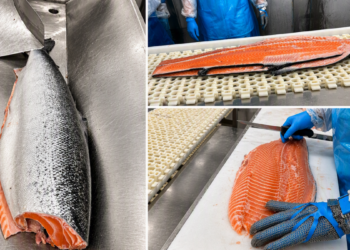
Freezco has expanded salmon processing for the Italian market through Freezco Eesti, a facility in Tallinn launched in May 2026....

Lascia un commento Annulla risposta

Il tuo indirizzo email non sarà pubblicato. I campi obbligatori sono contrassegnati *

Questo sito utilizza Akismet per ridurre lo spam. Scopri come vengono elaborati i dati derivati dai commenti.


Articoli più letti

  • 10 pesci costosi e prelibati
  • Le specie di sarago del Mediterraneo
  • Pesci con più e meno mercurio
  • Molva, una ricchezza del Mare del Nord
  • Molluschi bivalvi: descrizione e caratteristiche
  • Congelare il tonno in scatola
  • Gattuccio e palombo, gli squali buoni da mangiare
  • Triglia: caratteristiche e proprietà nutrizionali
  • Mangiare il tonno crudo: vantaggi e pericoli
  • Sgombro e lanzardo, pesce azzurro per il cuore
Pesceinrete

Pesceinrete è la testata giornalistica unica in Italia ad occuparsi di pesca commerciale ed acquacoltura. In quanto canale tematico e dai contenuti specializzati, si rivolge direttamente agli operatori della filiera con una comunicazione targettizzata che risponde alle esigenze del settore.

Segui le nostre pagine social

Stock images by Depositphotos

Newsletter

Categorie

  • News Ittico
  • Pesca
  • Acquacoltura
  • Associazioni di categoria
  • Sindacati
  • ONG
  • Tecnologia
  • Sostenibilità
  • Mercati
  • Eventi e Fiere
  • Overseas
  • Nutrizione e salute
  • Approfondimenti
  • Chi siamo
  • Policy editoriali
  • Partner
  • Contatti
  • Pubblicità
  • Newsletter
  • Mappa del sito

© 2026 INRETE S.R.L. P.Iva: 02557660814 - Pesceinrete - Il quotidiano del settore ittico | Credits

Pesceinrete
Gestisci Consenso

Usiamo cookie tecnici per far funzionare il sito, e cookie statistici (anche di terze parti) per capire come viene usato e migliorarlo. Puoi accettare tutto, rifiutare tutto o scegliere quali attivare — restando comunque libero di navigare senza restrizioni.

Funzionale Sempre attivo
L'archiviazione tecnica o l'accesso sono strettamente necessari al fine legittimo di consentire l'uso di un servizio specifico esplicitamente richiesto dall'abbonato o dall'utente, o al solo scopo di effettuare la trasmissione di una comunicazione su una rete di comunicazione elettronica.
Preferenze
L'archiviazione tecnica o l'accesso sono necessari per lo scopo legittimo di memorizzare le preferenze che non sono richieste dall'abbonato o dall'utente.
Statistiche
L'archiviazione tecnica o l'accesso che viene utilizzato esclusivamente per scopi statistici. L'archiviazione tecnica o l'accesso che viene utilizzato esclusivamente per scopi statistici anonimi. Senza un mandato di comparizione, una conformità volontaria da parte del vostro Fornitore di Servizi Internet, o ulteriori registrazioni da parte di terzi, le informazioni memorizzate o recuperate per questo scopo da sole non possono di solito essere utilizzate per l'identificazione.
Marketing
L'archiviazione tecnica o l'accesso sono necessari per creare profili di utenti per inviare pubblicità, o per tracciare l'utente su un sito web o su diversi siti web per scopi di marketing simili.
  • Gestisci opzioni
  • Gestisci servizi
  • Gestisci {vendor_count} fornitori
  • Per saperne di più su questi scopi
Personalizza
  • {title}
  • {title}
  • {title}
  • Home
  • Nutrizione e salute
  • Pesca
  • Acquacoltura
  • Approfondimenti
  • Tecnologia
  • Sostenibilità
  • Mercati
  • Overseas English NEW
  • Archivio
  • Chi siamo
  • Contatti
  • Partner
  • Pubblicità
  • Newsletter
Nessun Risultato
Vedi tutti i Risultati

© 2026 INRETE S.R.L. P.Iva: 02557660814 - Pesceinrete - Il quotidiano del settore ittico | Credits