Overseas


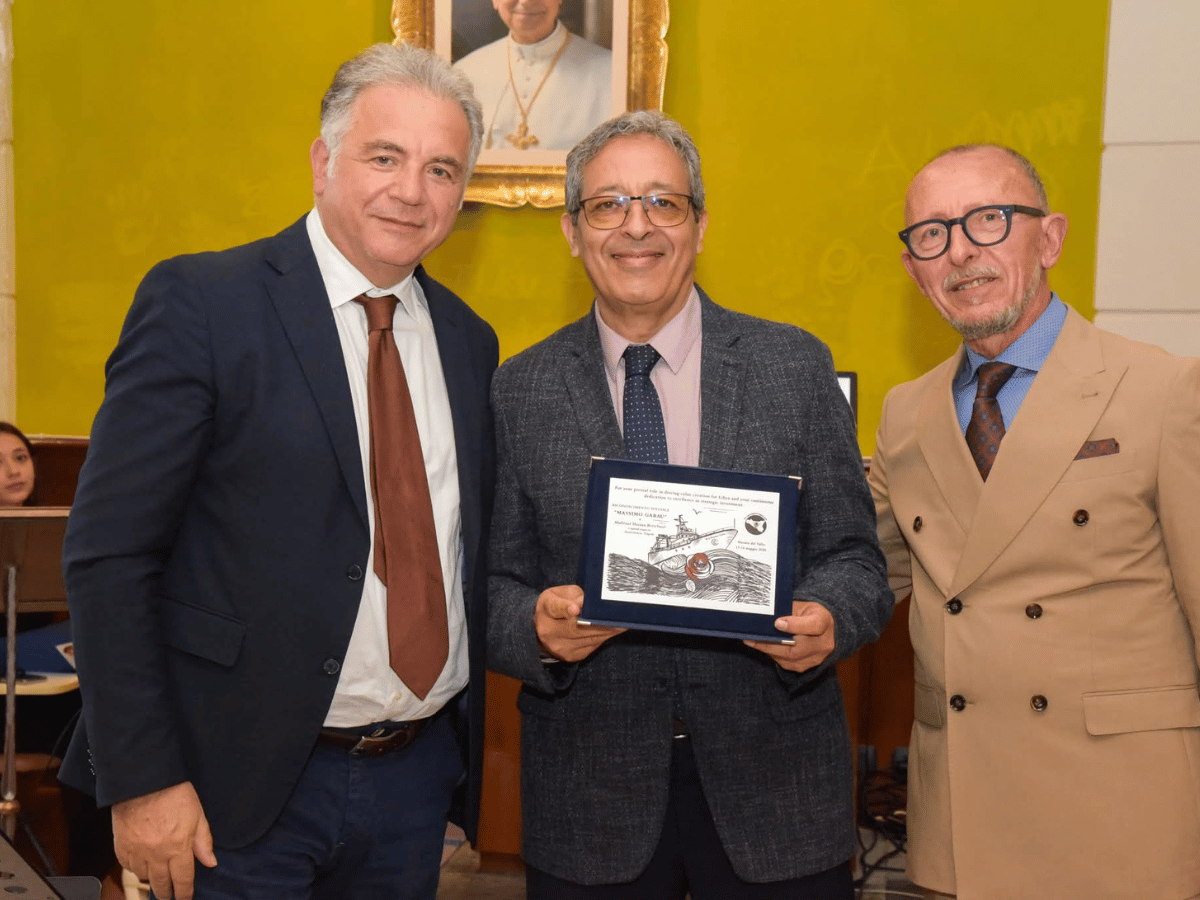
The path launched on 16 May in the Aula Magna of the Bishop’s Seminary in Mazara del Vallo, during the conference “The Mediterranean Sea between fishing, migration, resources, conflicts and new hopes”, is beginning to produce concrete results on the other side of the Strait of Sicily.

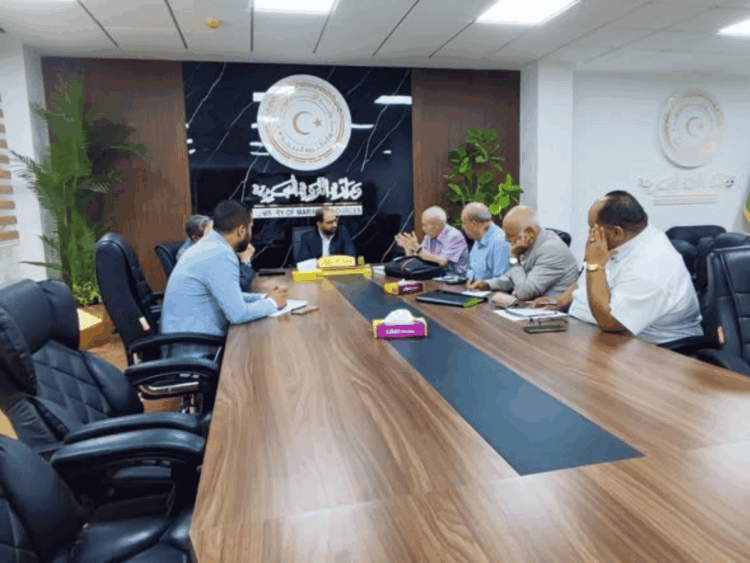
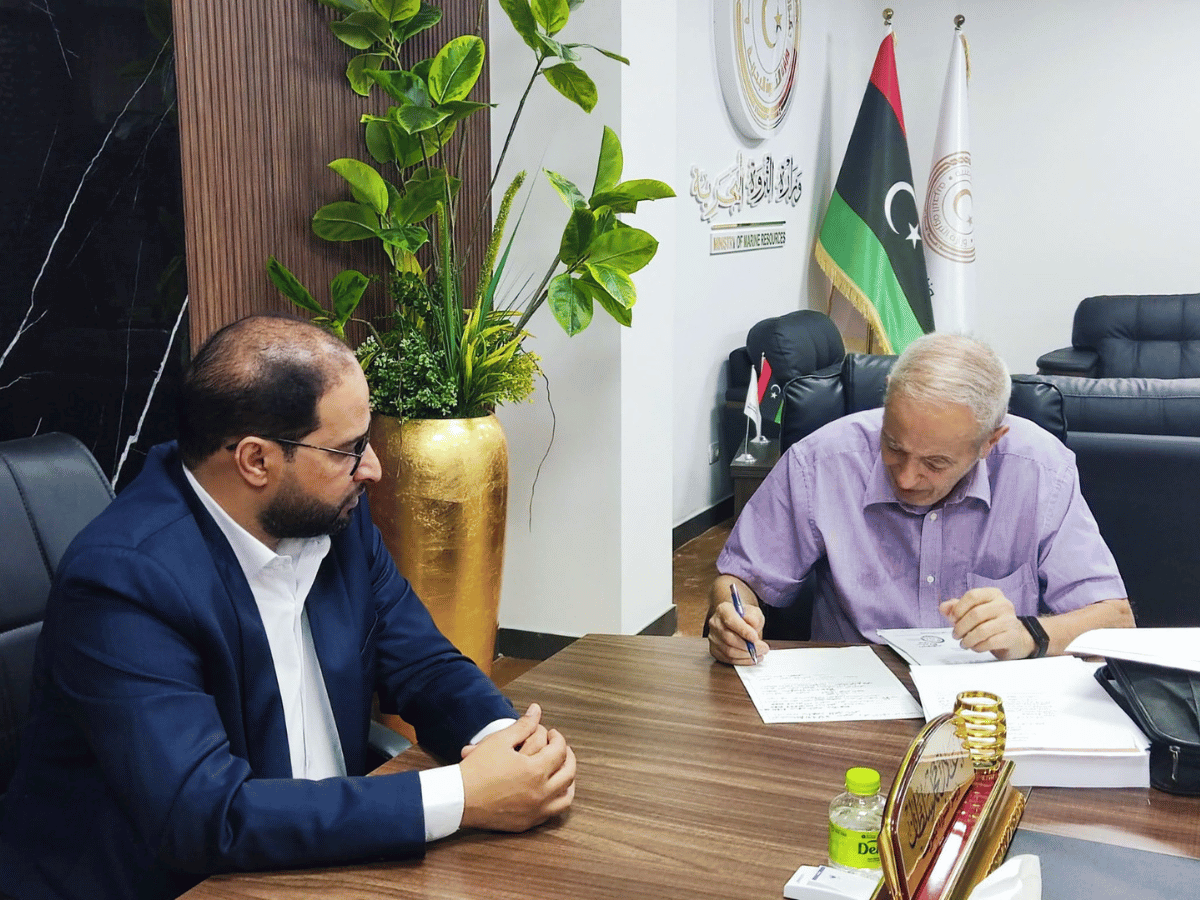
In Tripoli, Libya’s Minister of Marine Resources, Adel Sultan, yesterday received a large delegation from the Organization of Experts of the Capital, led by engineer Abdulraouf Beit Elmal, chairman of the organization’s board of directors. The delegation also included Dr. Cav. Mohamed Al-Nattah, a friend of Italy and of Mazara del Vallo in particular, and Professor Abdelmonem Al-Zaqla’i, both experts in maritime affairs.
This is not a minor detail. Both Eng. Beit Elmal and Dr. Cav. Al-Nattah had been among the key figures at the Mazara conference promoted by A.P.I. – Associazione Progetto Isola, organized alongside the literary festival Mazara Narrativa e Poesia 2026, this year dedicated to the fishing vessel Massimo Garau and to all victims of the sea.
The fact that the same experts have now sat down with Libyan Minister Adel Sultan to discuss the strengthening of cooperation through memoranda of understanding and partnerships, the fight against illegal fishing, and training programmes in fisheries and aquaculture confirms that the Sicilian initiative was not an isolated event. It was the beginning of a process that Libyan institutions are now carrying forward with institutional continuity.
What emerged in Mazara
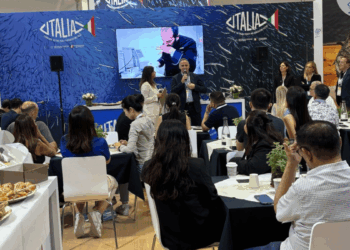
The conference held on 16 May brought together speakers from the academic, scientific, political and business worlds with a clear objective: to move beyond the idea of the Mediterranean as a dividing frontier and restore its role as a shared space to be managed through cooperation, common rules and mutual responsibility.
Particular attention was given to the Italy-Libya area, one of the most sensitive issues for Sicilian fishing and for the Mazara del Vallo fleet. The debate also included a technical focus on Regulation (EU) 2017/2403 on the sustainable management of external fishing fleets. As recalled during the conference, this regulation also governs direct authorizations for fishing activities in the waters of third countries when no partnership agreement exists with the European Union.
The institutional weight of the event was strengthened by the presence of Dr. Saber Alazabi, vice-president of the GFCM, the General Fisheries Commission for the Mediterranean. The most technical contribution came from Professor Roberto Ruoppo of the Polytechnic University of Marche, who identified the legal fragmentation of the Mediterranean as one of the central issues to be addressed. Exclusive economic zones, fisheries protection zones and other forms of maritime delimitation continue to affect the operational framework of fishing fleets.
From that meeting came the idea of a real roadmap with Libya, identified as a central counterpart for reopening a stable dialogue, especially in relation to Mazara del Vallo. The path discussed was not based on generic declarations of intent, but on authorizations, controls, scientific assessments of sustainability, and the direct involvement of Member States and the European Commission.
A.P.I.: “Now it is Italy’s turn”
For A.P.I. president Giancarlo Di Simone, the Tripoli meeting is an important signal, also in response to the issues raised by the Mazara-based association in recent months.
“Among the topics discussed in the presence of Minister Sultan,” Di Simone explains, “there are issues that are very important to our fishing community. First of all, the possibility of building structured cooperation relationships, including joint ventures, in light of the European regulations that now make them concretely possible. Libya’s willingness on this matter is now an established fact: this is demonstrated by the fact that the same interlocutors who were present in Mazara del Vallo returned to discuss it, only a few weeks later, directly with their own Minister. It is now the Italian government that must show the same openness, in order to achieve the objectives indicated during the conference and to move beyond an ambiguity that has lasted for far too many years and is no longer reflected in the facts.”
Di Simone calls for a forward-looking approach, stressing that the overall framework of relations between the two countries has evolved.
“If difficulties in dialogue seem to have been overcome for gas, oil and major infrastructure investments, the same commitment must be made for fisheries. Italian fleets, and the Mazara del Vallo fleet in particular, can no longer afford to wait. Concrete support is needed from the Italian government for the development of these relations, going beyond the interests mentioned above. After Mazara and after Tripoli, there are no more excuses.”
A process that is gaining ground
The meeting between Minister Sultan and the delegation from the Organization of Experts of the Capital is therefore part of a sequence of initiatives that, from Mazara del Vallo to the Libyan capital, is gradually building a stable technical and institutional channel between the two countries on fisheries.
Crew safety, access to fishing areas, protection of resources and scientific cooperation remain the pillars of a dialogue that, as stressed in Mazara, cannot be limited to emergency management. It must become preventive, orderly and transparent work.
The key issue now is whether Italian politics will also be able to give continuity to a process that Libyan technical diplomacy, it seems, has already chosen not to abandon.