• HOME
  • CHI SIAMO
  • CONTATTI
  • PARTNER
  • PUBBLICITÀ
  • NEWSLETTER
  • ARCHIVIO
    • Bandi e Opportunità
    • Speciali
    • Rubriche
    • Nutrizione e salute
    • Interviste
    • Video
mercoledì 16 Settembre, 2026
Pesceinrete
  • Pesca
  • Nutrizione e salute
  • Acquacoltura
    • Acquaponica
    • Algocoltura
  • Approfondimenti
  • Tecnologia
  • Sostenibilità
  • Mercati
  • OverseasNew
Nessun Risultato
Vedi tutti i Risultati
Pesceinrete
  • Pesca
  • Nutrizione e salute
  • Acquacoltura
    • Acquaponica
    • Algocoltura
  • Approfondimenti
  • Tecnologia
  • Sostenibilità
  • Mercati
  • OverseasNew
Nessun Risultato
Vedi tutti i Risultati
Pesceinrete
Nessun Risultato
Vedi tutti i Risultati

Home Overseas

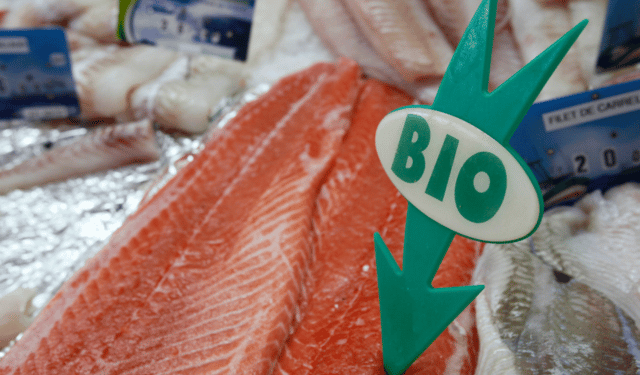
Organic Aquaculture in the EU: What the Data Really Say

In 2023, apparent consumption of organic aquaculture products in the European Union was estimated at around 100,000 tonnes, accounting for just over 3% of total aquaculture consumption.

Davide Ciravolo by Davide Ciravolo
30 Dicembre 2025
in Overseas
Organic Aquaculture in the EU: Market Size and Limits

Organic Aquaculture in the EU: Market Size and Limits

Organic aquaculture is often presented as one of the future horizons of the European seafood sector. In public debates and simplified narratives, it is frequently described as a structural answer to the environmental, productive and social challenges facing the supply chain. However, the latest Monthly Highlights published by EUMOFA suggest a more useful and less ideological exercise: looking at the numbers for what they actually are.

In 2023, apparent consumption of organic aquaculture products in the European Union was estimated at around 100,000 tonnes, accounting for just over 3% of total aquaculture consumption. This figure alone helps to recalibrate expectations. Organic aquaculture exists and is growing, but it still represents a niche market, with clearly defined characteristics and evident structural limitations.

European organic production covers the vast majority of this consumption. According to EUMOFA, around 86% of organic aquaculture products consumed in the EU are produced internally, while only 14% come from extra-EU imports. This is a relevant element: organic aquaculture is not a segment heavily dependent on external supply, but one that develops mainly within European borders, under shared production rules and standards.

From a geographical perspective, production is far from evenly distributed. A limited number of countries account for most organic volumes, with the Netherlands, Ireland and Italy playing a leading role. These are countries that have developed specific expertise and relatively consolidated supply chains, often focused on a small number of key species. This concentration contributes to segment stability, but at the same time limits its scalability.

Species composition further confirms the selective nature of organic aquaculture. Mussels account for more than 70% of European organic production, followed at a distance by salmon and other species farmed in much smaller volumes. This is not a marginal detail: as currently structured, organic aquaculture is better suited to certain species and production systems, while remaining difficult to apply on a large scale to other segments of the industry.

Imports also remain limited. The main extra-EU flows concern a few product categories, particularly salmon, shrimp and mussels, originating from countries such as Norway, the United Kingdom and Chile. Volumes are modest and do not substantially alter the overall balance of the European market, but they do indicate growing interest in organic aquaculture beyond the EU.

On the demand side, EUMOFA highlights that the organic aquaculture market remains closely tied to specific sales channels. In countries such as France, where organic seafood is monitored in greater detail, modern retail continues to play a central role, alongside specialised stores. At the same time, data show that the segment is sensitive to price dynamics and inflationary pressures, confirming that organic seafood is not immune to the broader tensions affecting food consumption.

Overall, the EUMOFA analysis delivers a clear message: organic aquaculture is not a universal solution, nor can it become one in the short term. It is a specific segment, with interesting potential but also with structural constraints linked to costs, farmable species, regulatory requirements and market size.

This does not reduce its value, but it helps place it in the right perspective. For the sector, clarity means avoiding sterile oppositions between production models and focusing instead on what data indicate more precisely: where organic aquaculture works, where it can grow, and where it will realistically remain a qualified niche.

In this sense, EUMOFA figures represent a valuable tool. Not to fuel slogans, but to support informed decisions in a context where sustainability, market dynamics and economic feasibility must necessarily move forward together.

For more insights on the future of Italian fisheries and the blue economy, follow ongoing coverage and analysis on Pesceinrete.
NEWSLETTER

Tags: EU aquaculture marketEUMOFAmussel farmingorganic aquaculturesalmon aquacultureseafood consumption Europesustainable seafood
CondividiTweetCondividiPinInviaCondividiInvia
Articolo precedente

Quanto pesa l’acquacoltura biologica nel mercato europeo?

Prossimo articolo

Baccalà e stoccafisso norvegesi: tradizione, qualità e innovazione

Davide Ciravolo

Davide Ciravolo

Autore Pesceinrete, retail ittico e mercati seafood Davide Ciravolo è autore Pesceinrete. Si occupa di mercati, distribuzione e scenari commerciali della filiera ittica, con particolare attenzione al rapporto tra prodotto, retail e consumi. La sua esperienza come ex buyer di Esselunga gli permette di osservare il settore seafood anche dal punto di vista della GDO e delle dinamiche di assortimento.

Articoli Correlati

Fishing vessel at sea as warmer ocean temperatures and El Niño shift fish distribution and fishing grounds

El Niño is set to become very strong. Warmer seas are redrawing the geography of fishing

by Luca Di Noto
15 Settembre 2026

What happens to fisheries when seas become warmer? Warmer seas do not simply mean fewer fish. They can change where...

Imported caviar at the centre of the European debate on origin transparency

Imported caviar, European aquaculture calls for clearer origin information

by Mariella Ballatore
11 Settembre 2026

Imported caviar from non-EU countries has become a test case in European aquaculture’s call for greater origin transparency. FEAP warns...

Italian seafood presented to buyers at Seafood Expo Asia in Singapore

From blue crab to red shrimp, buyers put Italy’s seafood supply chain to the test in Singapore

by Redazione
9 Settembre 2026

From blue crab seeking an industrial supply chain to traceable bivalve molluscs and red shrimp for fine dining, Italy is...

Salmon fillet on the processing line at Freezco Eesti in Tallinn

Freezco expands salmon processing for the italian market

by Davide Ciravolo
7 Settembre 2026

Freezco has expanded salmon processing for the Italian market through Freezco Eesti, a facility in Tallinn launched in May 2026....

Lascia un commento Annulla risposta

Il tuo indirizzo email non sarà pubblicato. I campi obbligatori sono contrassegnati *

Questo sito utilizza Akismet per ridurre lo spam. Scopri come vengono elaborati i dati derivati dai commenti.


Articoli più letti

  • 10 pesci costosi e prelibati
  • Le specie di sarago del Mediterraneo
  • Pesci con più e meno mercurio
  • Molva, una ricchezza del Mare del Nord
  • Molluschi bivalvi: descrizione e caratteristiche
  • Congelare il tonno in scatola
  • Gattuccio e palombo, gli squali buoni da mangiare
  • Triglia: caratteristiche e proprietà nutrizionali
  • Mangiare il tonno crudo: vantaggi e pericoli
  • Sgombro e lanzardo, pesce azzurro per il cuore
Pesceinrete

Pesceinrete è la testata giornalistica unica in Italia ad occuparsi di pesca commerciale ed acquacoltura. In quanto canale tematico e dai contenuti specializzati, si rivolge direttamente agli operatori della filiera con una comunicazione targettizzata che risponde alle esigenze del settore.

Segui le nostre pagine social

Stock images by Depositphotos

Newsletter

Categorie

  • News Ittico
  • Pesca
  • Acquacoltura
  • Associazioni di categoria
  • Sindacati
  • ONG
  • Tecnologia
  • Sostenibilità
  • Mercati
  • Eventi e Fiere
  • Overseas
  • Nutrizione e salute
  • Approfondimenti
  • Chi siamo
  • Policy editoriali
  • Partner
  • Contatti
  • Pubblicità
  • Newsletter
  • Mappa del sito

© 2026 INRETE S.R.L. P.Iva: 02557660814 - Pesceinrete - Il quotidiano del settore ittico | Credits

Pesceinrete
Gestisci Consenso

Usiamo cookie tecnici per far funzionare il sito, e cookie statistici (anche di terze parti) per capire come viene usato e migliorarlo. Puoi accettare tutto, rifiutare tutto o scegliere quali attivare — restando comunque libero di navigare senza restrizioni.

Funzionale Sempre attivo
L'archiviazione tecnica o l'accesso sono strettamente necessari al fine legittimo di consentire l'uso di un servizio specifico esplicitamente richiesto dall'abbonato o dall'utente, o al solo scopo di effettuare la trasmissione di una comunicazione su una rete di comunicazione elettronica.
Preferenze
L'archiviazione tecnica o l'accesso sono necessari per lo scopo legittimo di memorizzare le preferenze che non sono richieste dall'abbonato o dall'utente.
Statistiche
L'archiviazione tecnica o l'accesso che viene utilizzato esclusivamente per scopi statistici. L'archiviazione tecnica o l'accesso che viene utilizzato esclusivamente per scopi statistici anonimi. Senza un mandato di comparizione, una conformità volontaria da parte del vostro Fornitore di Servizi Internet, o ulteriori registrazioni da parte di terzi, le informazioni memorizzate o recuperate per questo scopo da sole non possono di solito essere utilizzate per l'identificazione.
Marketing
L'archiviazione tecnica o l'accesso sono necessari per creare profili di utenti per inviare pubblicità, o per tracciare l'utente su un sito web o su diversi siti web per scopi di marketing simili.
  • Gestisci opzioni
  • Gestisci servizi
  • Gestisci {vendor_count} fornitori
  • Per saperne di più su questi scopi
Personalizza
  • {title}
  • {title}
  • {title}
  • Home
  • Nutrizione e salute
  • Pesca
  • Acquacoltura
  • Approfondimenti
  • Tecnologia
  • Sostenibilità
  • Mercati
  • Overseas English NEW
  • Archivio
  • Chi siamo
  • Contatti
  • Partner
  • Pubblicità
  • Newsletter
Nessun Risultato
Vedi tutti i Risultati

© 2026 INRETE S.R.L. P.Iva: 02557660814 - Pesceinrete - Il quotidiano del settore ittico | Credits