• HOME
  • CHI SIAMO
  • CONTATTI
  • PARTNER
  • PUBBLICITÀ
  • NEWSLETTER
  • ARCHIVIO
    • Bandi e Opportunità
    • Speciali
    • Rubriche
    • Nutrizione e salute
    • Interviste
    • Video
mercoledì 16 Settembre, 2026
Pesceinrete
  • Pesca
  • Nutrizione e salute
  • Acquacoltura
    • Acquaponica
    • Algocoltura
  • Approfondimenti
  • Tecnologia
  • Sostenibilità
  • Mercati
  • OverseasNew
Nessun Risultato
Vedi tutti i Risultati
Pesceinrete
  • Pesca
  • Nutrizione e salute
  • Acquacoltura
    • Acquaponica
    • Algocoltura
  • Approfondimenti
  • Tecnologia
  • Sostenibilità
  • Mercati
  • OverseasNew
Nessun Risultato
Vedi tutti i Risultati
Pesceinrete
Nessun Risultato
Vedi tutti i Risultati

Home Overseas

Seaforester Group: restoring kelp forests at industrial scale

SeaForester and Seaweed Solutions merge to build a European leader in kelp restoration and regenerative biomass production

Alice Giacalone by Alice Giacalone
14 Gennaio 2026
in Overseas
Seaforester Group: restoring kelp forests at industrial scale

Seaforester Group: restoring kelp forests at industrial scale

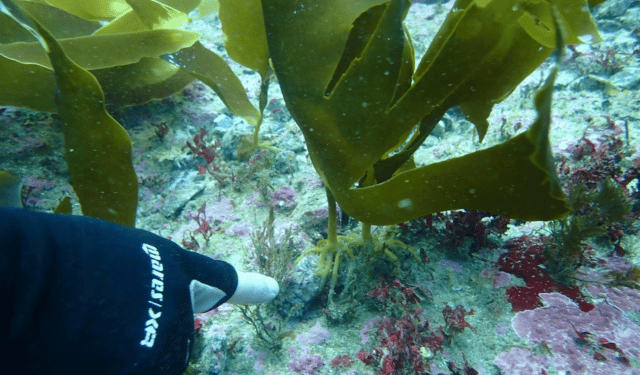
The merger between SeaForester and Seaweed Solutions gives rise to Seaforester Group (SFG), a new entity aiming to become Europe’s reference point for kelp forest restoration and for the production of seaweed biomass destined for the food, feed and agricultural sectors. The group’s ambition is built on an integrated approach: supporting marine ecosystems while simultaneously developing a solid industrial value chain capable of supplying high-quality seaweed to a rapidly expanding global market.

At the core of the project lies a simple yet decisive idea: bringing together what has so far evolved separately. SeaForester contributes extensive experience in large-scale ecological restoration, with interventions designed to revive degraded coastal habitats. Seaweed Solutions, by contrast, specializes in seaweed genetics, strain improvement and the production of high-performance seeds. Combined, the two companies create a platform that spans the entire value chain, from laboratory research to offshore deployment and, ultimately, to biomass supply.

The merger responds to a tangible and pressing challenge. Kelp forests, among the most extensive and productive marine ecosystems on the planet, have suffered a dramatic decline in recent decades. Rising sea temperatures, increasing human pressures and biodiversity loss are undermining the oceans’ natural capacity to regenerate. SFG aims to reverse this trajectory by developing seaweed varieties more resilient to climate change and by implementing restoration programmes designed to scale up to significant surface areas.

The operating model is structured around three main pillars. The first focuses on seeds and genetics, with the large-scale development and production of more robust and productive seaweed lines. The second pillar is restoration, based on proprietary seeding technologies and nursery systems engineered to operate efficiently even across very large areas. The third pillar is regenerative biomass: a network of coastal farming enterprises, supported by a flagship reference farm, supplying seaweed biomass to multiple industrial applications.

Alongside the merger, Seaforester Group plans to launch a capital raise to support expansion and accelerate growth across its three business lines. The stated objective is to demonstrate that ocean restoration and economic value creation are not opposing goals, but can instead advance in parallel within a single, coherent industrial model.

For the blue economy, this move represents a meaningful signal. Marine ecosystem regeneration and the development of a stable, sustainable seaweed value chain are attracting growing attention from both policymakers and investors. The creation of Seaforester Group fits squarely within this trajectory, positioning restoration not as a stand-alone environmental activity, but as the foundation of a long-term industrial infrastructure.

In the coming months, attention will focus on how the group expands its cultivation network and on the concrete outcomes of its restoration programmes. If expectations are met, Seaforester Group could emerge as one of the most significant examples in Europe of convergence between ocean protection and sustainable biomass production.

For more insights on the future of Italian fisheries and the blue economy, follow ongoing coverage and analysis on Pesceinrete.
NEWSLETTER

Tags: Blue Economykelp forestsmarine ecosystemsregenerative aquacultureseaweed biomassseaweed restoration
CondividiTweetCondividiPinInviaCondividiInvia
Articolo precedente

Filiera blu a Kadis: rimuovere subito gli ostacoli alla transizione

Prossimo articolo

Contratti di imbarco: Federpesca scrive al Comando generale delle Capitanerie di porto e chiede un confronto urgente

Alice Giacalone

Alice Giacalone

Autrice Pesceinrete Alice Giacalone scrive per Pesceinrete occupandosi di attualità, imprese, mercati e scenari della filiera ittica. Nei suoi contributi segue l’evoluzione del settore seafood con attenzione ai temi che incidono sul lavoro degli operatori, dalla pesca all’acquacoltura, dalla sostenibilità alle dinamiche commerciali.

Articoli Correlati

Fishing vessel at sea as warmer ocean temperatures and El Niño shift fish distribution and fishing grounds

El Niño is set to become very strong. Warmer seas are redrawing the geography of fishing

by Luca Di Noto
15 Settembre 2026

What happens to fisheries when seas become warmer? Warmer seas do not simply mean fewer fish. They can change where...

Imported caviar at the centre of the European debate on origin transparency

Imported caviar, European aquaculture calls for clearer origin information

by Mariella Ballatore
11 Settembre 2026

Imported caviar from non-EU countries has become a test case in European aquaculture’s call for greater origin transparency. FEAP warns...

Italian seafood presented to buyers at Seafood Expo Asia in Singapore

From blue crab to red shrimp, buyers put Italy’s seafood supply chain to the test in Singapore

by Redazione
9 Settembre 2026

From blue crab seeking an industrial supply chain to traceable bivalve molluscs and red shrimp for fine dining, Italy is...

Salmon fillet on the processing line at Freezco Eesti in Tallinn

Freezco expands salmon processing for the italian market

by Davide Ciravolo
7 Settembre 2026

Freezco has expanded salmon processing for the Italian market through Freezco Eesti, a facility in Tallinn launched in May 2026....

Lascia un commento Annulla risposta

Il tuo indirizzo email non sarà pubblicato. I campi obbligatori sono contrassegnati *

Questo sito utilizza Akismet per ridurre lo spam. Scopri come vengono elaborati i dati derivati dai commenti.


Articoli più letti

  • 10 pesci costosi e prelibati
  • Le specie di sarago del Mediterraneo
  • Pesci con più e meno mercurio
  • Molva, una ricchezza del Mare del Nord
  • Molluschi bivalvi: descrizione e caratteristiche
  • Congelare il tonno in scatola
  • Gattuccio e palombo, gli squali buoni da mangiare
  • Triglia: caratteristiche e proprietà nutrizionali
  • Mangiare il tonno crudo: vantaggi e pericoli
  • Sgombro e lanzardo, pesce azzurro per il cuore
Pesceinrete

Pesceinrete è la testata giornalistica unica in Italia ad occuparsi di pesca commerciale ed acquacoltura. In quanto canale tematico e dai contenuti specializzati, si rivolge direttamente agli operatori della filiera con una comunicazione targettizzata che risponde alle esigenze del settore.

Segui le nostre pagine social

Stock images by Depositphotos

Newsletter

Categorie

  • News Ittico
  • Pesca
  • Acquacoltura
  • Associazioni di categoria
  • Sindacati
  • ONG
  • Tecnologia
  • Sostenibilità
  • Mercati
  • Eventi e Fiere
  • Overseas
  • Nutrizione e salute
  • Approfondimenti
  • Chi siamo
  • Policy editoriali
  • Partner
  • Contatti
  • Pubblicità
  • Newsletter
  • Mappa del sito

© 2026 INRETE S.R.L. P.Iva: 02557660814 - Pesceinrete - Il quotidiano del settore ittico | Credits

Pesceinrete
Gestisci Consenso

Usiamo cookie tecnici per far funzionare il sito, e cookie statistici (anche di terze parti) per capire come viene usato e migliorarlo. Puoi accettare tutto, rifiutare tutto o scegliere quali attivare — restando comunque libero di navigare senza restrizioni.

Funzionale Sempre attivo
L'archiviazione tecnica o l'accesso sono strettamente necessari al fine legittimo di consentire l'uso di un servizio specifico esplicitamente richiesto dall'abbonato o dall'utente, o al solo scopo di effettuare la trasmissione di una comunicazione su una rete di comunicazione elettronica.
Preferenze
L'archiviazione tecnica o l'accesso sono necessari per lo scopo legittimo di memorizzare le preferenze che non sono richieste dall'abbonato o dall'utente.
Statistiche
L'archiviazione tecnica o l'accesso che viene utilizzato esclusivamente per scopi statistici. L'archiviazione tecnica o l'accesso che viene utilizzato esclusivamente per scopi statistici anonimi. Senza un mandato di comparizione, una conformità volontaria da parte del vostro Fornitore di Servizi Internet, o ulteriori registrazioni da parte di terzi, le informazioni memorizzate o recuperate per questo scopo da sole non possono di solito essere utilizzate per l'identificazione.
Marketing
L'archiviazione tecnica o l'accesso sono necessari per creare profili di utenti per inviare pubblicità, o per tracciare l'utente su un sito web o su diversi siti web per scopi di marketing simili.
  • Gestisci opzioni
  • Gestisci servizi
  • Gestisci {vendor_count} fornitori
  • Per saperne di più su questi scopi
Personalizza
  • {title}
  • {title}
  • {title}
  • Home
  • Nutrizione e salute
  • Pesca
  • Acquacoltura
  • Approfondimenti
  • Tecnologia
  • Sostenibilità
  • Mercati
  • Overseas English NEW
  • Archivio
  • Chi siamo
  • Contatti
  • Partner
  • Pubblicità
  • Newsletter
Nessun Risultato
Vedi tutti i Risultati

© 2026 INRETE S.R.L. P.Iva: 02557660814 - Pesceinrete - Il quotidiano del settore ittico | Credits