• HOME
  • CHI SIAMO
  • CONTATTI
  • PARTNER
  • PUBBLICITÀ
  • NEWSLETTER
  • ARCHIVIO
    • Bandi e Opportunità
    • Speciali
    • Rubriche
    • Nutrizione e salute
    • Interviste
    • Video
mercoledì 16 Settembre, 2026
Pesceinrete
  • Pesca
  • Nutrizione e salute
  • Acquacoltura
    • Acquaponica
    • Algocoltura
  • Approfondimenti
  • Tecnologia
  • Sostenibilità
  • Mercati
  • OverseasNew
Nessun Risultato
Vedi tutti i Risultati
Pesceinrete
  • Pesca
  • Nutrizione e salute
  • Acquacoltura
    • Acquaponica
    • Algocoltura
  • Approfondimenti
  • Tecnologia
  • Sostenibilità
  • Mercati
  • OverseasNew
Nessun Risultato
Vedi tutti i Risultati
Pesceinrete
Nessun Risultato
Vedi tutti i Risultati

Home Overseas

Sustainable aquaculture starts with feed: Skretting Italy’s strategy

Skretting, part of the Nutreco group, is among the industrial players exerting the strongest influence on these dynamics at a global level.

Davide Ciravolo by Davide Ciravolo
18 Dicembre 2025
in Overseas
Sustainable aquaculture starts with feed- Skretting Italy’s strategy

Sustainable aquaculture starts with feed- Skretting Italy’s strategy

In a context in which aquaculture is increasingly expected to contribute to European food security, while at the same time reducing its environmental footprint and responding to growing market demands for transparency, feed plays a strategic role that is often underestimated. It is precisely at this stage of the value chain that some of the most critical decisions are made, influencing sustainability, production efficiency, animal welfare and the overall credibility of the sector.

Skretting, part of the Nutreco group, is among the industrial players exerting the strongest influence on these dynamics at a global level. In Italy, where aquaculture operates within a complex and highly regulated framework, Skretting’s strategy unfolds across multiple dimensions, ranging from nutritional innovation to value-chain certification, from farm digitalisation to relationships with local territories and communities.

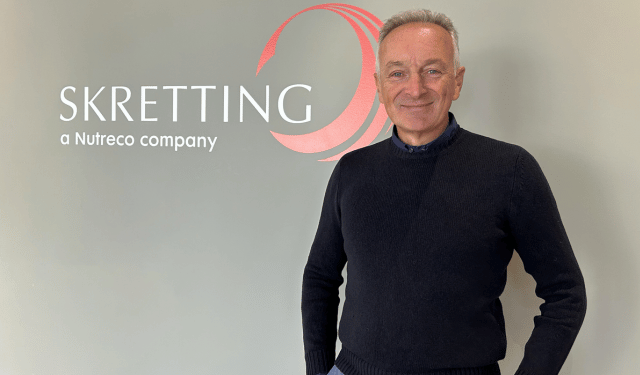
We discussed these issues with Giovanni Serrini, General Manager of Skretting Italy, to explore strategic priorities, industrial choices and long-term vision. The interview that follows provides a detailed insight into how these elements translate into concrete actions, outlining Skretting’s contribution to the development of an aquaculture sector that is increasingly sustainable, resilient and future-oriented.

What are Skretting Italy’s current strategic priorities, and how do they align with Nutreco’s global vision for the future of aquaculture?

In line with Nutreco’s purpose, “Feeding the Future”, Skretting Italy’s strategic priority is to help meet the continuously growing demand for seafood in a sustainable way. This is why we are constantly seeking innovations that improve the efficiency and nutritional value of our products, enhance both our productivity and that of our customers, while at the same time reducing the environmental impacts across our value chain.

The ASC Feed certification has positioned you among the international pioneers. To what extent does this recognition strengthen the competitiveness of the value chain, and what new responsibilities does it introduce towards markets and retail?

We were the first Italian feed mill to obtain this certification, which clearly demonstrates how central sustainability is to our strategic choices. The new ASC Feed Standard extends beyond the farm level to include an assessment of feed mills and their suppliers, promoting transparency and accountability throughout the entire supply chain. Transparency, in particular, generates benefits for ecosystems, workers, communities and consumers, while also activating a continuous improvement process. By sharing data and best practices, we can build a more resilient and responsible aquaculture value chain, capable of exerting a positive and lasting impact on aquatic production, people and the planet.

Transparency was also the foundation of the workshop series “Stop Lactococcosis? Together it can be done!”, which we organised in collaboration with the Italian National Reference Centre for Fish, Mollusc and Crustacean Diseases in Legnaro and with the Italian Fish Farmers Association, in response to the health emergency that affected Mediterranean mariculture.

From more sustainable packaging to alternative ingredients such as algae oil, how do you balance innovation, environmental sustainability and economic viability for farmers?

Sustainability cannot be separated from innovation, and economic balance is the foundation on which sustainable innovation must be built. If we think in terms of a circular economy, it becomes clear that reducing resource use inevitably translates into greater efficiency and therefore lower production costs. One clear example is packaging innovation, which led us to win the CONAI 2025 call for eco-design of packaging within the circular economy. Further examples can be found in our 2024 Impact Report.

Tools such as AquaSim, Skaila Datahub and MyFeedPrint are driving digitalisation in farm management. What concrete changes are they delivering, and what role can Italy play in this transformation?

Big data and digitalisation are among the megatrends that will increasingly shape the aquaculture value chain. Precision farming, supported by advanced technologies, is one of the pillars of the Skretting 360+ service we offer to our customers, helping them improve both technical and economic efficiency.

Through this service, we provide technologies such as cameras to monitor biomass and feeding behaviour, integrated with sensors that control environmental parameters. Together with our partners, we are also developing algorithms to assess animal welfare conditions. We are seeing growing interest from farmers across the markets in which we operate, confirming the ongoing evolution of the sector.

Skretting Italy is also a key actor for local communities and territories. How do social responsibility and local engagement fit into your long-term strategy?

Skretting Italy has been based in Mozzecane, about 30 kilometres from Verona, since 1972. Over the years, we have developed a strong bond with the local area, expressed through internal initiatives such as coastal clean-ups, which we transformed into clean-up activities for the area surrounding our facilities and nearby roads. We sponsor the “Corsa in Rosa”, an annual run that raises awareness around issues affecting women, and we have also quite literally rolled up our sleeves by repainting and refurbishing “Casa Nazareth”, a local organisation that supports young people with disabilities, helping them integrate into society with both rights and responsibilities.

Social responsibility and local engagement are therefore integral parts of our long-term strategy, fully aligned with Nutreco’s values.

Looking ahead to 2030, what are the decisive challenges and most relevant opportunities for Skretting Italy in consolidating aquaculture as a strategic lever for European food security?

We return to where the interview began: sustainable innovation that ensures healthy and safe seafood for everyone.

For more insights on the future of Italian fisheries and the blue economy, follow ongoing coverage and analysis on Pesceinrete.
NEWSLETTER

Tags: aquaculture feedASC Feeddigital aquaculturefish farming innovationNutrecoSkrettingsustainable aquaculture
CondividiTweetCondividiPinInviaCondividiInvia
Articolo precedente

Pesce allevato e fiducia: le leve su cui il produttore deve lavorare oggi

Prossimo articolo

NORA apre la consultazione sulla roadmap europea per gli incubatoi di Ostrea edulis

Davide Ciravolo

Davide Ciravolo

Autore Pesceinrete, retail ittico e mercati seafood Davide Ciravolo è autore Pesceinrete. Si occupa di mercati, distribuzione e scenari commerciali della filiera ittica, con particolare attenzione al rapporto tra prodotto, retail e consumi. La sua esperienza come ex buyer di Esselunga gli permette di osservare il settore seafood anche dal punto di vista della GDO e delle dinamiche di assortimento.

Articoli Correlati

Fishing vessel at sea as warmer ocean temperatures and El Niño shift fish distribution and fishing grounds

El Niño is set to become very strong. Warmer seas are redrawing the geography of fishing

by Luca Di Noto
15 Settembre 2026

What happens to fisheries when seas become warmer? Warmer seas do not simply mean fewer fish. They can change where...

Imported caviar at the centre of the European debate on origin transparency

Imported caviar, European aquaculture calls for clearer origin information

by Mariella Ballatore
11 Settembre 2026

Imported caviar from non-EU countries has become a test case in European aquaculture’s call for greater origin transparency. FEAP warns...

Italian seafood presented to buyers at Seafood Expo Asia in Singapore

From blue crab to red shrimp, buyers put Italy’s seafood supply chain to the test in Singapore

by Redazione
9 Settembre 2026

From blue crab seeking an industrial supply chain to traceable bivalve molluscs and red shrimp for fine dining, Italy is...

Salmon fillet on the processing line at Freezco Eesti in Tallinn

Freezco expands salmon processing for the italian market

by Davide Ciravolo
7 Settembre 2026

Freezco has expanded salmon processing for the Italian market through Freezco Eesti, a facility in Tallinn launched in May 2026....

Lascia un commento Annulla risposta

Il tuo indirizzo email non sarà pubblicato. I campi obbligatori sono contrassegnati *

Questo sito utilizza Akismet per ridurre lo spam. Scopri come vengono elaborati i dati derivati dai commenti.


Articoli più letti

  • 10 pesci costosi e prelibati
  • Le specie di sarago del Mediterraneo
  • Pesci con più e meno mercurio
  • Molva, una ricchezza del Mare del Nord
  • Molluschi bivalvi: descrizione e caratteristiche
  • Congelare il tonno in scatola
  • Gattuccio e palombo, gli squali buoni da mangiare
  • Triglia: caratteristiche e proprietà nutrizionali
  • Mangiare il tonno crudo: vantaggi e pericoli
  • Sgombro e lanzardo, pesce azzurro per il cuore
Pesceinrete

Pesceinrete è la testata giornalistica unica in Italia ad occuparsi di pesca commerciale ed acquacoltura. In quanto canale tematico e dai contenuti specializzati, si rivolge direttamente agli operatori della filiera con una comunicazione targettizzata che risponde alle esigenze del settore.

Segui le nostre pagine social

Stock images by Depositphotos

Newsletter

Categorie

  • News Ittico
  • Pesca
  • Acquacoltura
  • Associazioni di categoria
  • Sindacati
  • ONG
  • Tecnologia
  • Sostenibilità
  • Mercati
  • Eventi e Fiere
  • Overseas
  • Nutrizione e salute
  • Approfondimenti
  • Chi siamo
  • Policy editoriali
  • Partner
  • Contatti
  • Pubblicità
  • Newsletter
  • Mappa del sito

© 2026 INRETE S.R.L. P.Iva: 02557660814 - Pesceinrete - Il quotidiano del settore ittico | Credits

Pesceinrete
Gestisci Consenso

Usiamo cookie tecnici per far funzionare il sito, e cookie statistici (anche di terze parti) per capire come viene usato e migliorarlo. Puoi accettare tutto, rifiutare tutto o scegliere quali attivare — restando comunque libero di navigare senza restrizioni.

Funzionale Sempre attivo
L'archiviazione tecnica o l'accesso sono strettamente necessari al fine legittimo di consentire l'uso di un servizio specifico esplicitamente richiesto dall'abbonato o dall'utente, o al solo scopo di effettuare la trasmissione di una comunicazione su una rete di comunicazione elettronica.
Preferenze
L'archiviazione tecnica o l'accesso sono necessari per lo scopo legittimo di memorizzare le preferenze che non sono richieste dall'abbonato o dall'utente.
Statistiche
L'archiviazione tecnica o l'accesso che viene utilizzato esclusivamente per scopi statistici. L'archiviazione tecnica o l'accesso che viene utilizzato esclusivamente per scopi statistici anonimi. Senza un mandato di comparizione, una conformità volontaria da parte del vostro Fornitore di Servizi Internet, o ulteriori registrazioni da parte di terzi, le informazioni memorizzate o recuperate per questo scopo da sole non possono di solito essere utilizzate per l'identificazione.
Marketing
L'archiviazione tecnica o l'accesso sono necessari per creare profili di utenti per inviare pubblicità, o per tracciare l'utente su un sito web o su diversi siti web per scopi di marketing simili.
  • Gestisci opzioni
  • Gestisci servizi
  • Gestisci {vendor_count} fornitori
  • Per saperne di più su questi scopi
Personalizza
  • {title}
  • {title}
  • {title}
  • Home
  • Nutrizione e salute
  • Pesca
  • Acquacoltura
  • Approfondimenti
  • Tecnologia
  • Sostenibilità
  • Mercati
  • Overseas English NEW
  • Archivio
  • Chi siamo
  • Contatti
  • Partner
  • Pubblicità
  • Newsletter
Nessun Risultato
Vedi tutti i Risultati

© 2026 INRETE S.R.L. P.Iva: 02557660814 - Pesceinrete - Il quotidiano del settore ittico | Credits