• HOME
  • CHI SIAMO
  • CONTATTI
  • PARTNER
  • PUBBLICITÀ
  • NEWSLETTER
  • ARCHIVIO
    • Bandi e Opportunità
    • Speciali
    • Rubriche
    • Nutrizione e salute
    • Interviste
    • Video
martedì 15 Settembre, 2026
Pesceinrete
  • Pesca
  • Nutrizione e salute
  • Acquacoltura
    • Acquaponica
    • Algocoltura
  • Approfondimenti
  • Tecnologia
  • Sostenibilità
  • Mercati
  • OverseasNew
Nessun Risultato
Vedi tutti i Risultati
Pesceinrete
  • Pesca
  • Nutrizione e salute
  • Acquacoltura
    • Acquaponica
    • Algocoltura
  • Approfondimenti
  • Tecnologia
  • Sostenibilità
  • Mercati
  • OverseasNew
Nessun Risultato
Vedi tutti i Risultati
Pesceinrete
Nessun Risultato
Vedi tutti i Risultati

Home Overseas

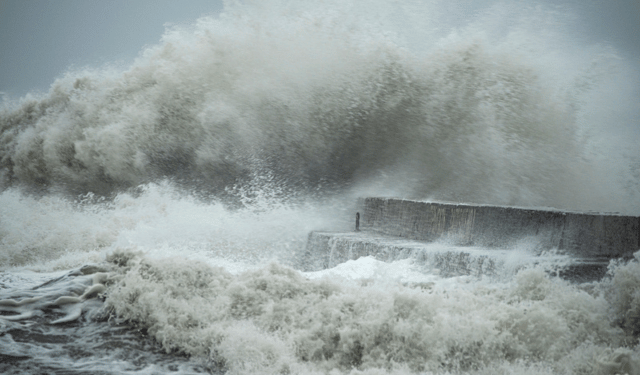
Storm Harry hits Southern Italy’s fishing sector: first damage estimates emerge

A combination of gale-force winds, storm surges and persistent rainfall made the sea inaccessible for several days, forcing fleets to remain inactive.

Tiziana Indorato by Tiziana Indorato
23 Gennaio 2026
in Overseas
Storm Harry hits Southern Italy’s fishing sector: first damage estimates emerge

Storm Harry hits Southern Italy’s fishing sector: first damage estimates emerge

Storm Harry, which struck Southern Italy between 19 and 21 January 2026 with exceptional intensity, has left significant consequences for the fisheries sector. Just days after the event, as the emergency phase winds down and operations gradually resume, it is already possible to outline a first assessment of the impact on professional fishing, based on evaluations released by major representative organisations and on the critical issues reported by fishing communities in the most exposed areas.

Sicily, Calabria and Sardinia are among the regions most severely affected. A combination of gale-force winds, storm surges and persistent rainfall made the sea inaccessible for several days, forcing fleets to remain inactive. For many fishing ports, the disruption extended beyond the duration of the storm itself. In several cases, damaged harbours and landing sites slowed the restart of operations, even after weather conditions improved, due to blocked access channels, altered seabeds and compromised working areas.

According to a first national estimate by Confcooperative Fedagripesca, total damage to the fishing sector is expected to reach tens of millions of euros, with figures up to €40 million. This estimate includes the cost of the forced fleet stoppage, damage to vessels and fishing gear, infrastructure failures in several ports, and lost revenue linked to reduced activity. The picture highlights the economic impact of an extreme weather event on a sector already characterised by high operating costs and narrow margins.

In Sicily, the impact was particularly evident along the most exposed coastal stretches and on the minor islands, where waves overtopped quays, placing moorings and port structures under severe stress. In several harbours, the abnormal accumulation of posidonia and debris made manoeuvring difficult and, in some cases, obstructed vessel access and departure. Similar critical reports have emerged from Calabria’s Ionian coast and from Sardinia, especially in eastern and southern areas, where storm surges and strong winds damaged port infrastructure and essential service areas for coastal fishing.

The storm’s impact, however, cannot be measured solely in terms of repairs. The sudden reduction in the supply of fresh fish, caused by days of inactivity and operational difficulties in several ports, has inevitably affected the entire supply chain, from local markets to logistics. In such conditions, losses go beyond missed daily income: they also include the difficulty of restoring commercial continuity in the very short term, particularly for small-scale operators, who are more exposed to weather variability and less equipped to withstand prolonged interruptions.

Overall, the damage attributed to Cyclone Harry extends beyond the fisheries sector, affecting infrastructure, transport networks and productive activities across the impacted territories. Within this broader context, fishing stands out as one of the most vulnerable sectors, as it depends directly on the stability of the “sea–port–market” chain. When a storm surge renders a harbour unusable, even improving weather conditions are not enough to immediately restart activity.

This is where current sector demands are now focused. Industry associations are calling for rapid compensation measures and targeted interventions to restore operational capacity and safety, including securing harbours, seabed maintenance, repairing moorings, and faster procedures to clear basins and port entrances of debris and accumulations. The issue goes beyond emergency management and concerns the ability to make essential port infrastructure more resilient, safeguarding both the economic viability of fishing communities and the availability of seafood on markets.

Fortunately, Storm Harry caused no fatalities, confirming the effectiveness of early warning and prevention systems in protecting human life. However, the event clearly exposed the economic and operational vulnerability of the fishing sector when continuity between sea and port is disrupted. For Southern Italy’s fisheries, the challenge is not only to absorb current losses, but to reduce the risk that similar events repeatedly translate into production shutdowns and renewed economic damage for vessel owners, crews and entire coastal communities.

For more insights on the future of Italian and European fisheries and the blue economy, follow ongoing coverage and analysis on Pesceinrete.
NEWSLETTER

Tags: Calabria fisheriesextreme weather fisheriesfishing port damageItalian fisheriesMediterranean fishing industrySardinia fisheriesseafood supply chain disruptionSicily fisheriesSouthern Italy fishing sectorStorm Harry
CondividiTweetCondividiPinInviaCondividiInvia
Articolo precedente

Vendere pesce oggi significa ripensare il punto vendita

Prossimo articolo

Federpesca: esito positivo sul nuovo contratto di arruolamento

Tiziana Indorato

Tiziana Indorato

Autrice Pesceinrete Tiziana Indorato scrive per Pesceinrete occupandosi di seafood, sostenibilità, mercati, innovazione e scenari internazionali. I suoi articoli seguono l’evoluzione della filiera ittica con attenzione ai cambiamenti ambientali, commerciali e regolatori che incidono sul lavoro delle imprese e sulla percezione del prodotto ittico.

Articoli Correlati

Fishing vessel at sea as warmer ocean temperatures and El Niño shift fish distribution and fishing grounds

El Niño is set to become very strong. Warmer seas are redrawing the geography of fishing

by Luca Di Noto
15 Settembre 2026

What happens to fisheries when seas become warmer? Warmer seas do not simply mean fewer fish. They can change where...

Imported caviar at the centre of the European debate on origin transparency

Imported caviar, European aquaculture calls for clearer origin information

by Mariella Ballatore
11 Settembre 2026

Imported caviar from non-EU countries has become a test case in European aquaculture’s call for greater origin transparency. FEAP warns...

Italian seafood presented to buyers at Seafood Expo Asia in Singapore

From blue crab to red shrimp, buyers put Italy’s seafood supply chain to the test in Singapore

by Redazione
9 Settembre 2026

From blue crab seeking an industrial supply chain to traceable bivalve molluscs and red shrimp for fine dining, Italy is...

Salmon fillet on the processing line at Freezco Eesti in Tallinn

Freezco expands salmon processing for the italian market

by Davide Ciravolo
7 Settembre 2026

Freezco has expanded salmon processing for the Italian market through Freezco Eesti, a facility in Tallinn launched in May 2026....

Lascia un commento Annulla risposta

Il tuo indirizzo email non sarà pubblicato. I campi obbligatori sono contrassegnati *

Questo sito utilizza Akismet per ridurre lo spam. Scopri come vengono elaborati i dati derivati dai commenti.


Articoli più letti

  • 10 pesci costosi e prelibati
  • Le specie di sarago del Mediterraneo
  • Pesci con più e meno mercurio
  • Molva, una ricchezza del Mare del Nord
  • Molluschi bivalvi: descrizione e caratteristiche
  • Congelare il tonno in scatola
  • Gattuccio e palombo, gli squali buoni da mangiare
  • Triglia: caratteristiche e proprietà nutrizionali
  • Mangiare il tonno crudo: vantaggi e pericoli
  • Sgombro e lanzardo, pesce azzurro per il cuore
Pesceinrete

Pesceinrete è la testata giornalistica unica in Italia ad occuparsi di pesca commerciale ed acquacoltura. In quanto canale tematico e dai contenuti specializzati, si rivolge direttamente agli operatori della filiera con una comunicazione targettizzata che risponde alle esigenze del settore.

Segui le nostre pagine social

Stock images by Depositphotos

Newsletter

Categorie

  • News Ittico
  • Pesca
  • Acquacoltura
  • Associazioni di categoria
  • Sindacati
  • ONG
  • Tecnologia
  • Sostenibilità
  • Mercati
  • Eventi e Fiere
  • Overseas
  • Nutrizione e salute
  • Approfondimenti
  • Chi siamo
  • Policy editoriali
  • Partner
  • Contatti
  • Pubblicità
  • Newsletter
  • Mappa del sito

© 2026 INRETE S.R.L. P.Iva: 02557660814 - Pesceinrete - Il quotidiano del settore ittico | Credits

Pesceinrete
Gestisci Consenso

Usiamo cookie tecnici per far funzionare il sito, e cookie statistici (anche di terze parti) per capire come viene usato e migliorarlo. Puoi accettare tutto, rifiutare tutto o scegliere quali attivare — restando comunque libero di navigare senza restrizioni.

Funzionale Sempre attivo
L'archiviazione tecnica o l'accesso sono strettamente necessari al fine legittimo di consentire l'uso di un servizio specifico esplicitamente richiesto dall'abbonato o dall'utente, o al solo scopo di effettuare la trasmissione di una comunicazione su una rete di comunicazione elettronica.
Preferenze
L'archiviazione tecnica o l'accesso sono necessari per lo scopo legittimo di memorizzare le preferenze che non sono richieste dall'abbonato o dall'utente.
Statistiche
L'archiviazione tecnica o l'accesso che viene utilizzato esclusivamente per scopi statistici. L'archiviazione tecnica o l'accesso che viene utilizzato esclusivamente per scopi statistici anonimi. Senza un mandato di comparizione, una conformità volontaria da parte del vostro Fornitore di Servizi Internet, o ulteriori registrazioni da parte di terzi, le informazioni memorizzate o recuperate per questo scopo da sole non possono di solito essere utilizzate per l'identificazione.
Marketing
L'archiviazione tecnica o l'accesso sono necessari per creare profili di utenti per inviare pubblicità, o per tracciare l'utente su un sito web o su diversi siti web per scopi di marketing simili.
  • Gestisci opzioni
  • Gestisci servizi
  • Gestisci {vendor_count} fornitori
  • Per saperne di più su questi scopi
Personalizza
  • {title}
  • {title}
  • {title}
  • Home
  • Nutrizione e salute
  • Pesca
  • Acquacoltura
  • Approfondimenti
  • Tecnologia
  • Sostenibilità
  • Mercati
  • Overseas English NEW
  • Archivio
  • Chi siamo
  • Contatti
  • Partner
  • Pubblicità
  • Newsletter
Nessun Risultato
Vedi tutti i Risultati

© 2026 INRETE S.R.L. P.Iva: 02557660814 - Pesceinrete - Il quotidiano del settore ittico | Credits