• HOME
  • CHI SIAMO
  • CONTATTI
  • PARTNER
  • PUBBLICITÀ
  • NEWSLETTER
  • ARCHIVIO
    • Bandi e Opportunità
    • Speciali
    • Rubriche
    • Nutrizione e salute
    • Interviste
    • Video
mercoledì 16 Settembre, 2026
Pesceinrete
  • Pesca
  • Nutrizione e salute
  • Acquacoltura
    • Acquaponica
    • Algocoltura
  • Approfondimenti
  • Tecnologia
  • Sostenibilità
  • Mercati
  • OverseasNew
Nessun Risultato
Vedi tutti i Risultati
Pesceinrete
  • Pesca
  • Nutrizione e salute
  • Acquacoltura
    • Acquaponica
    • Algocoltura
  • Approfondimenti
  • Tecnologia
  • Sostenibilità
  • Mercati
  • OverseasNew
Nessun Risultato
Vedi tutti i Risultati
Pesceinrete
Nessun Risultato
Vedi tutti i Risultati

Home Overseas

Imported caviar, European aquaculture calls for clearer origin information

The case raised by FEAP brings the gap between supply-chain traceability and the information available to consumers back into the European debate. The European Commission is also being urged to extend mandatory origin and production-method information to processed seafood and products served in foodservice.

Mariella Ballatore by Mariella Ballatore
11 Settembre 2026
in Overseas
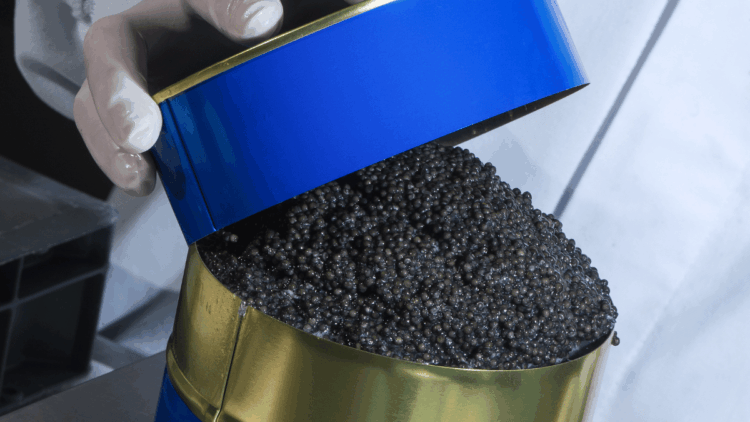
Imported caviar at the centre of the European debate on origin transparency

Imported caviar at the centre of the European debate on origin transparency

Imported caviar from non-EU countries has become a test case in European aquaculture’s call for greater origin transparency. FEAP warns that processing or repackaging within the EU can make the country where the product was actually produced less immediately clear to consumers. The issue is part of a wider debate in Brussels over extending mandatory information to processed seafood and foodservice.

Caviar highlights a problem affecting a much broader segment of the European seafood market: a product may be fully traceable throughout the supply chain without all the information about its origin reaching the final consumer with the same clarity.

This distinction is at the heart of the European Federation of Aquaculture Producers’ request for greater attention. When caviar from non-EU countries passes through European operators and packers, consumers may find it more difficult to identify the country where it was actually produced.

This does not mean that imported caviar becomes European or is necessarily presented as such. The issue is whether consumers can distinguish, without ambiguity, the country of production from the place where subsequent processing or packaging took place.

Caviar becomes a test case for transparency in Europe

For EU producers, the issue is not limited to consumer information. It also concerns competition.

Caviar is a high-value aquaculture product whose origin, species, production system and reputation directly affect its commercial positioning. FEAP has long called for specific labelling rules for caviar and, more broadly, for clearer information on the countries of origin of processed seafood products.

In its position on the future of European aquaculture, the Federation explicitly identified specific caviar labelling rules and greater origin transparency for processed products among its priorities.

The economic significance of the issue is far from marginal. According to FEAP data, Italy remained Europe’s leading caviar producer in 2024, with approximately 65 tonnes, representing just under one-third of total European production. In a market where Europe is both a producer and a destination for imports from non-EU countries, origin transparency therefore has direct competitive value for European aquaculture.

Traceability does not yet mean explaining the product to consumers

The distinction is essential. Traceability and consumer information address related needs, but they are not the same thing.

Article 35 of Regulation (EU) No 1379/2013 requires certain categories of fishery and aquaculture products to provide information including the commercial designation and scientific name of the species, the production method, the area where the product was caught or farmed and, for wild-caught products, the category of fishing gear used.

However, the same level of information does not apply in the same way to all prepared and preserved seafood products. This regulatory gap is now at the centre of the European debate.

The issue also has a commercial dimension. Consumer confidence in seafood increasingly depends on the ability to communicate origin, production methods and supply-chain characteristics clearly, as highlighted by the relationship between seafood labels, transparency and purchasing decisions.

The Brussels request goes far beyond caviar

On 3 September 2026, the issue was brought directly before the European Commission. A delegation from the “Follow the Fish” movement met European Commissioner for Fisheries and Oceans Costas Kadis in Brussels, calling for a revision of the rules governing the Common Market Organisation.

The request submitted to the European Commission is clear: essential information should be available for all seafood products, regardless of how extensively they have been processed or where they are sold or served. For wild-caught seafood, the movement is calling for stronger disclosure of information including species, catch area, flag State and fishing method.

Consumers buying whole or filleted fresh and frozen fish currently receive a more detailed set of information. Some of the same details are not mandatory for canned products, seafood preparations, ready meals or dishes served in restaurants and other foodservice establishments.

Traceability rules will also change in 2029

At the same time, the European Union is strengthening its traceability system.

Regulation (EU) 2023/2842 established a specific path towards new traceability requirements for fishery and aquaculture products falling under Combined Nomenclature codes 1604 and 1605, which include many prepared and preserved products.

The European Commission must define those requirements through delegated acts, based on a study of the systems and solutions available. The Regulation establishes that the new provisions will apply from 10 January 2029.

The two issues should not be confused. The new traceability rules are intended to strengthen the flow of information throughout the supply chain. The request brought to Brussels concerns which parts of that information must reach consumers in a mandatory, clear and understandable form.

This is why the caviar case matters to the entire seafood supply chain. When origin and production methods contribute to a product’s economic value, making them clearly recognisable also becomes a tool for fair competition.

For European aquaculture, the request therefore goes far beyond changing the label of a premium product. The objective is to ensure that the value created through origin, production standards and traceability is not lost in the final step between the supply chain and the consumer.
Tags: AquaculturecaviarEuropean Unionseafood importsseafood labellingtraceability
CondividiTweetCondividiPinInviaCondividiInvia
Articolo precedente

Laurenza, la pesca italiana è nella tempesta perfetta

Prossimo articolo

Scognamiglio: la sostenibilità deve tenere insieme mare e pescatori

Mariella Ballatore

Mariella Ballatore

Direttrice responsabile e co-founder di Pesceinrete Mariella Ballatore è direttrice responsabile e co-founder di Pesceinrete. Segue da anni l'evoluzione della filiera ittica, con attenzione a pesca, acquacoltura, mercati, sostenibilità, normativa, trasformazione e distribuzione. Il suo lavoro unisce informazione specializzata, comunicazione di settore e conoscenza diretta degli operatori della blue economy.

Articoli Correlati

Fishing vessel at sea as warmer ocean temperatures and El Niño shift fish distribution and fishing grounds

El Niño is set to become very strong. Warmer seas are redrawing the geography of fishing

by Luca Di Noto
15 Settembre 2026

What happens to fisheries when seas become warmer? Warmer seas do not simply mean fewer fish. They can change where...

Italian seafood presented to buyers at Seafood Expo Asia in Singapore

From blue crab to red shrimp, buyers put Italy’s seafood supply chain to the test in Singapore

by Redazione
9 Settembre 2026

From blue crab seeking an industrial supply chain to traceable bivalve molluscs and red shrimp for fine dining, Italy is...

Salmon fillet on the processing line at Freezco Eesti in Tallinn

Freezco expands salmon processing for the italian market

by Davide Ciravolo
7 Settembre 2026

Freezco has expanded salmon processing for the Italian market through Freezco Eesti, a facility in Tallinn launched in May 2026....

High-value Italian seafood product showcasing processing and presentation

China’s seafood market gives greater weight to quality and traceability: an opening for Italy

by Davide Ciravolo
4 Settembre 2026

China imported around 2.31 million tonnes of seafood worth $10.1 billion in the first half of 2026. Competition remains intense,...

Lascia un commento Annulla risposta

Il tuo indirizzo email non sarà pubblicato. I campi obbligatori sono contrassegnati *

Questo sito utilizza Akismet per ridurre lo spam. Scopri come vengono elaborati i dati derivati dai commenti.


Articoli più letti

  • 10 pesci costosi e prelibati
  • Le specie di sarago del Mediterraneo
  • Pesci con più e meno mercurio
  • Molva, una ricchezza del Mare del Nord
  • Molluschi bivalvi: descrizione e caratteristiche
  • Congelare il tonno in scatola
  • Gattuccio e palombo, gli squali buoni da mangiare
  • Triglia: caratteristiche e proprietà nutrizionali
  • Mangiare il tonno crudo: vantaggi e pericoli
  • Sgombro e lanzardo, pesce azzurro per il cuore
Pesceinrete

Pesceinrete è la testata giornalistica unica in Italia ad occuparsi di pesca commerciale ed acquacoltura. In quanto canale tematico e dai contenuti specializzati, si rivolge direttamente agli operatori della filiera con una comunicazione targettizzata che risponde alle esigenze del settore.

Segui le nostre pagine social

Stock images by Depositphotos

Newsletter

Categorie

  • News Ittico
  • Pesca
  • Acquacoltura
  • Associazioni di categoria
  • Sindacati
  • ONG
  • Tecnologia
  • Sostenibilità
  • Mercati
  • Eventi e Fiere
  • Overseas
  • Nutrizione e salute
  • Approfondimenti
  • Chi siamo
  • Policy editoriali
  • Partner
  • Contatti
  • Pubblicità
  • Newsletter
  • Mappa del sito

© 2026 INRETE S.R.L. P.Iva: 02557660814 - Pesceinrete - Il quotidiano del settore ittico | Credits

Pesceinrete
Gestisci Consenso

Usiamo cookie tecnici per far funzionare il sito, e cookie statistici (anche di terze parti) per capire come viene usato e migliorarlo. Puoi accettare tutto, rifiutare tutto o scegliere quali attivare — restando comunque libero di navigare senza restrizioni.

Funzionale Sempre attivo
L'archiviazione tecnica o l'accesso sono strettamente necessari al fine legittimo di consentire l'uso di un servizio specifico esplicitamente richiesto dall'abbonato o dall'utente, o al solo scopo di effettuare la trasmissione di una comunicazione su una rete di comunicazione elettronica.
Preferenze
L'archiviazione tecnica o l'accesso sono necessari per lo scopo legittimo di memorizzare le preferenze che non sono richieste dall'abbonato o dall'utente.
Statistiche
L'archiviazione tecnica o l'accesso che viene utilizzato esclusivamente per scopi statistici. L'archiviazione tecnica o l'accesso che viene utilizzato esclusivamente per scopi statistici anonimi. Senza un mandato di comparizione, una conformità volontaria da parte del vostro Fornitore di Servizi Internet, o ulteriori registrazioni da parte di terzi, le informazioni memorizzate o recuperate per questo scopo da sole non possono di solito essere utilizzate per l'identificazione.
Marketing
L'archiviazione tecnica o l'accesso sono necessari per creare profili di utenti per inviare pubblicità, o per tracciare l'utente su un sito web o su diversi siti web per scopi di marketing simili.
  • Gestisci opzioni
  • Gestisci servizi
  • Gestisci {vendor_count} fornitori
  • Per saperne di più su questi scopi
Personalizza
  • {title}
  • {title}
  • {title}
  • Home
  • Nutrizione e salute
  • Pesca
  • Acquacoltura
  • Approfondimenti
  • Tecnologia
  • Sostenibilità
  • Mercati
  • Overseas English NEW
  • Archivio
  • Chi siamo
  • Contatti
  • Partner
  • Pubblicità
  • Newsletter
Nessun Risultato
Vedi tutti i Risultati

© 2026 INRETE S.R.L. P.Iva: 02557660814 - Pesceinrete - Il quotidiano del settore ittico | Credits