Overseas


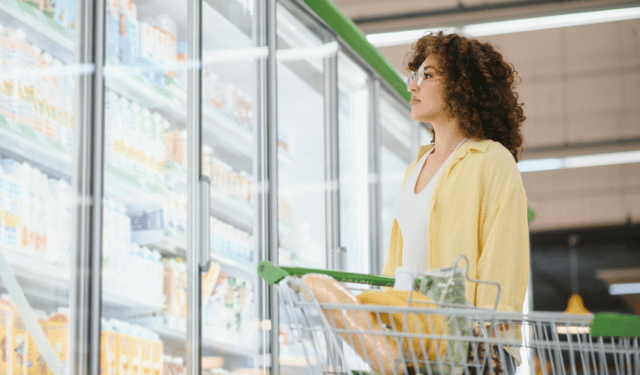
The way Italians shop for food is changing. Fewer sugar-rich products are ending up in shopping carts, while interest in foods that provide a higher protein intake continues to grow.
This trend emerges from the latest edition of the Immagino Observatory by GS1 Italy, a study that analyzes the information displayed on food product labels and cross-references it with sales data from large-scale retail distribution.
The report examines nearly 149,000 consumer packaged goods, representing a total value of over €56.9 billion in sales across hypermarkets, supermarkets and convenience stores. This extensive dataset provides a detailed picture of how Italian households are reshaping their food choices.
Sugar Consumption Declines in Consumer Choices
One of the clearest signals emerging from the analysis is the gradual reduction of sugar in purchased products.
The trend affects several retail categories and reflects increasing consumer awareness about the nutritional composition of food.
Shoppers are paying closer attention to product labels and increasingly choosing items with lower sugar content, particularly in beverages and grocery products.
At the same time, overall caloric intake remains relatively stable, but the distribution of nutrients within products is shifting.
Protein Becomes More Important
While sugar levels are declining, proteins are gaining ground in shopping baskets.
Over the past twelve months, the average protein content in products purchased by Italian consumers has increased, supported by several retail categories.
Among these is canned tuna in olive oil, one of the most common pantry staples in Italian households and a significant contributor to dietary protein intake.
This shift reflects a broader transformation in eating habits. Interest in protein is no longer limited to athletes or people following specific diets but is increasingly spreading among everyday consumers.
The Boom of “Free-From” Products
Another phenomenon that continues to grow is the market for products labeled “free from”, indicating formulations that declare the absence or reduction of certain ingredients.
This segment now represents almost 30% of the packaged food market in large-scale retail distribution, with sales exceeding €12.5 billion.
The most common claims include products that are:
-
gluten-free
-
lactose-free
-
without added sugars
-
low in sugars
In particular, lactose-free products continue to record strong growth, supported by both consumer interest and an expanding range of offerings on supermarket shelves.
High-Protein Foods Gain Shelf Space
Alongside “free-from” products, the market for foods enriched with functional nutrients is also expanding.
Among these, protein-rich products stand out as one of the most relevant claims in modern retail, generating sales of over €2 billion.
The most dynamic categories include:
-
functional yogurts
-
sports nutrition products
-
dairy items
-
plant-based ready meals
The signal is clear: more and more consumers are looking for foods that can increase daily protein intake.
A Relevant Signal for the Seafood Sector
This shift in dietary habits is also highly relevant for the seafood industry.
Fish is naturally rich in high-quality protein and has long been associated with balanced dietary models such as the Mediterranean diet.
In a context where consumers are seeking foods with higher protein content and simpler nutritional profiles, several seafood categories available in retail distribution may strengthen their positioning.
Among them are canned tuna, ready-to-eat seafood products, and high-protein seafood preparations.
Food Labels Are Becoming Increasingly Decisive
The analysis of food labels confirms how the information displayed on packaging has become central in the relationship between industry and consumers.
Ingredients, nutritional values and product claims increasingly influence purchasing decisions.
The reduction of sugar, growing attention to protein intake and the expansion of “free-from” products all point in the same direction: food is increasingly perceived as a tool for everyday wellbeing.