• HOME
  • CHI SIAMO
  • CONTATTI
  • PARTNER
  • PUBBLICITÀ
  • NEWSLETTER
  • ARCHIVIO
    • Bandi e Opportunità
    • Speciali
    • Rubriche
    • Nutrizione e salute
    • Interviste
    • Video
martedì 15 Settembre, 2026
Pesceinrete
  • Pesca
  • Nutrizione e salute
  • Acquacoltura
    • Acquaponica
    • Algocoltura
  • Approfondimenti
  • Tecnologia
  • Sostenibilità
  • Mercati
  • OverseasNew
Nessun Risultato
Vedi tutti i Risultati
Pesceinrete
  • Pesca
  • Nutrizione e salute
  • Acquacoltura
    • Acquaponica
    • Algocoltura
  • Approfondimenti
  • Tecnologia
  • Sostenibilità
  • Mercati
  • OverseasNew
Nessun Risultato
Vedi tutti i Risultati
Pesceinrete
Nessun Risultato
Vedi tutti i Risultati

Home Overseas

Italian fishing sector under structural pressure

Costs, regulations and market dynamics are reshaping the sustainability of fishing enterprises

Maurizio Rosas by Maurizio Rosas
3 Aprile 2026
in Overseas
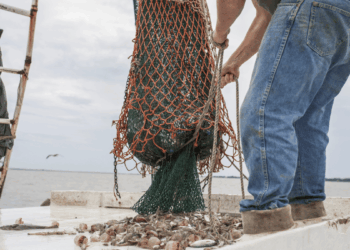
Italian fishing sector under structural pressure

Italian fishing sector under structural pressure

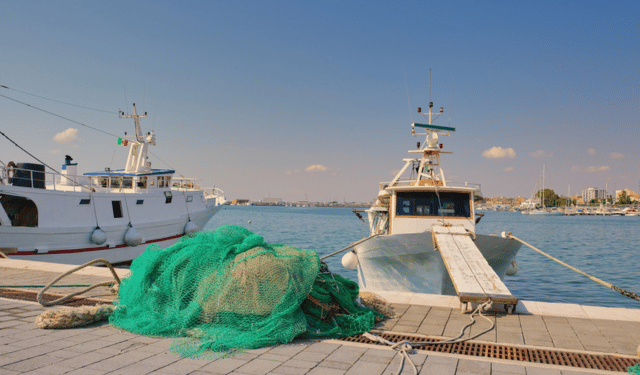
The Italian fishing sector challenges are becoming increasingly evident, as the industry faces a phase of strong structural pressure driven by a combination of economic, regulatory and market factors that are progressively undermining the operational sustainability of fishing businesses.

According to data processed by ISMEA, the sector is experiencing a decline in profitability linked to rising operating costs and the difficulty of transferring these increases along the supply chain. Among the main critical issues, fuel costs stand out as one of the most significant items in fishing companies’ budgets. In many cases, fuel can account for over 40–50% of daily operating costs, making it increasingly difficult to maintain adequate margins, especially in a context of fluctuating fish prices.

These pressures are compounded by increasingly complex market dynamics, characterized by strong competition from imported products, which are often more price competitive, and by distribution systems that tend to compress the value recognized to primary producers.

An additional critical factor is the regulatory framework. EU Regulation 1224/2009, which governs the fisheries control system, introduces increasingly stringent obligations for operators. In practical terms, for small-scale fishing enterprises this translates into daily requirements related to catch traceability, activity recording and compliance with structured control procedures, with a direct impact on work organization and operating costs.

Analyses by the STECF (Scientific, Technical and Economic Committee for Fisheries) highlight how the economic sustainability of Mediterranean fleets remains heavily influenced by these factors, with increasingly reduced margins for many businesses. In this context, support instruments such as the EMFAF (European Maritime, Fisheries and Aquaculture Fund) represent an important opportunity, but are often not fully accessible or effectively utilized by smaller operators.

Despite this scenario, there are concrete opportunities for recovery, which necessarily involve an evolution in both management and commercial approaches.

Strengthening the direct relationship with the market represents one of the main levers. From an operational perspective, this can translate into the introduction of simple direct sales models, such as weekly mixed fish boxes of 5–10 kg that can be ordered through direct channels (for example WhatsApp or local networks). These models reduce intermediation and can generate, in many cases, a margin increase of between 20% and 30% compared to wholesale sales.

At the same time, a qualitative leap in management practices is becoming essential. In practical terms, this means adopting even simplified control tools, such as digital onboard registers (tablets or dedicated applications), useful for monitoring fuel costs per trip, yield by species and profitability, enabling more informed and adaptive decision-making.

Another strategic element is the ability of operators to work collectively. In this direction, aggregation models such as shared landing platforms or coordinated sales systems for local catch are gaining relevance, allowing for logistics optimization and strengthening bargaining power in the market.

In this context, the future of the Italian fishing sector cannot rely exclusively on external interventions, but requires a gradual internal evolution of businesses, focused on greater economic awareness, improved management capacity and a stronger direct relationship with the market.

Tags: EMFAFEU fisheries regulationfish market trendsfisheries economicsfuel costs fishingItalian fishing sectorMediterranean fisheriesSmall-scale fisheries
CondividiTweetCondividiPinInviaCondividiInvia
Articolo precedente

Pasqua 2026: il pesce italiano non si ferma. Prezzi su, ma la qualità vince ancora

Prossimo articolo

Tonno rosso, il 10 aprile a Trapani si discute il futuro del comparto

Maurizio Rosas

Maurizio Rosas

Maurizio Rosas opera nel settore ittico e agroalimentare con un approccio focalizzato su filiera, organizzazione dei processi e responsabilità operative. Si occupa di analisi e sviluppo di modelli sostenibili che integrano normativa, mercato e contesto territoriale, con particolare attenzione alle specificità produttive della Sardegna.

Articoli Correlati

Fishing vessel at sea as warmer ocean temperatures and El Niño shift fish distribution and fishing grounds

El Niño is set to become very strong. Warmer seas are redrawing the geography of fishing

by Luca Di Noto
15 Settembre 2026

What happens to fisheries when seas become warmer? Warmer seas do not simply mean fewer fish. They can change where...

Imported caviar at the centre of the European debate on origin transparency

Imported caviar, European aquaculture calls for clearer origin information

by Mariella Ballatore
11 Settembre 2026

Imported caviar from non-EU countries has become a test case in European aquaculture’s call for greater origin transparency. FEAP warns...

Italian seafood presented to buyers at Seafood Expo Asia in Singapore

From blue crab to red shrimp, buyers put Italy’s seafood supply chain to the test in Singapore

by Redazione
9 Settembre 2026

From blue crab seeking an industrial supply chain to traceable bivalve molluscs and red shrimp for fine dining, Italy is...

Salmon fillet on the processing line at Freezco Eesti in Tallinn

Freezco expands salmon processing for the italian market

by Davide Ciravolo
7 Settembre 2026

Freezco has expanded salmon processing for the Italian market through Freezco Eesti, a facility in Tallinn launched in May 2026....

Lascia un commento Annulla risposta

Il tuo indirizzo email non sarà pubblicato. I campi obbligatori sono contrassegnati *

Questo sito utilizza Akismet per ridurre lo spam. Scopri come vengono elaborati i dati derivati dai commenti.


Articoli più letti

  • 10 pesci costosi e prelibati
  • Le specie di sarago del Mediterraneo
  • Pesci con più e meno mercurio
  • Molva, una ricchezza del Mare del Nord
  • Molluschi bivalvi: descrizione e caratteristiche
  • Congelare il tonno in scatola
  • Gattuccio e palombo, gli squali buoni da mangiare
  • Triglia: caratteristiche e proprietà nutrizionali
  • Mangiare il tonno crudo: vantaggi e pericoli
  • Sgombro e lanzardo, pesce azzurro per il cuore
Pesceinrete

Pesceinrete è la testata giornalistica unica in Italia ad occuparsi di pesca commerciale ed acquacoltura. In quanto canale tematico e dai contenuti specializzati, si rivolge direttamente agli operatori della filiera con una comunicazione targettizzata che risponde alle esigenze del settore.

Segui le nostre pagine social

Stock images by Depositphotos

Newsletter

Categorie

  • News Ittico
  • Pesca
  • Acquacoltura
  • Associazioni di categoria
  • Sindacati
  • ONG
  • Tecnologia
  • Sostenibilità
  • Mercati
  • Eventi e Fiere
  • Overseas
  • Nutrizione e salute
  • Approfondimenti
  • Chi siamo
  • Policy editoriali
  • Partner
  • Contatti
  • Pubblicità
  • Newsletter
  • Mappa del sito

© 2026 INRETE S.R.L. P.Iva: 02557660814 - Pesceinrete - Il quotidiano del settore ittico | Credits

Pesceinrete
Gestisci Consenso

Usiamo cookie tecnici per far funzionare il sito, e cookie statistici (anche di terze parti) per capire come viene usato e migliorarlo. Puoi accettare tutto, rifiutare tutto o scegliere quali attivare — restando comunque libero di navigare senza restrizioni.

Funzionale Sempre attivo
L'archiviazione tecnica o l'accesso sono strettamente necessari al fine legittimo di consentire l'uso di un servizio specifico esplicitamente richiesto dall'abbonato o dall'utente, o al solo scopo di effettuare la trasmissione di una comunicazione su una rete di comunicazione elettronica.
Preferenze
L'archiviazione tecnica o l'accesso sono necessari per lo scopo legittimo di memorizzare le preferenze che non sono richieste dall'abbonato o dall'utente.
Statistiche
L'archiviazione tecnica o l'accesso che viene utilizzato esclusivamente per scopi statistici. L'archiviazione tecnica o l'accesso che viene utilizzato esclusivamente per scopi statistici anonimi. Senza un mandato di comparizione, una conformità volontaria da parte del vostro Fornitore di Servizi Internet, o ulteriori registrazioni da parte di terzi, le informazioni memorizzate o recuperate per questo scopo da sole non possono di solito essere utilizzate per l'identificazione.
Marketing
L'archiviazione tecnica o l'accesso sono necessari per creare profili di utenti per inviare pubblicità, o per tracciare l'utente su un sito web o su diversi siti web per scopi di marketing simili.
  • Gestisci opzioni
  • Gestisci servizi
  • Gestisci {vendor_count} fornitori
  • Per saperne di più su questi scopi
Personalizza
  • {title}
  • {title}
  • {title}
  • Home
  • Nutrizione e salute
  • Pesca
  • Acquacoltura
  • Approfondimenti
  • Tecnologia
  • Sostenibilità
  • Mercati
  • Overseas English NEW
  • Archivio
  • Chi siamo
  • Contatti
  • Partner
  • Pubblicità
  • Newsletter
Nessun Risultato
Vedi tutti i Risultati

© 2026 INRETE S.R.L. P.Iva: 02557660814 - Pesceinrete - Il quotidiano del settore ittico | Credits