• HOME
  • CHI SIAMO
  • CONTATTI
  • PARTNER
  • PUBBLICITÀ
  • NEWSLETTER
  • ARCHIVIO
    • Bandi e Opportunità
    • Speciali
    • Rubriche
    • Nutrizione e salute
    • Interviste
    • Video
martedì 15 Settembre, 2026
Pesceinrete
  • Pesca
  • Nutrizione e salute
  • Acquacoltura
    • Acquaponica
    • Algocoltura
  • Approfondimenti
  • Tecnologia
  • Sostenibilità
  • Mercati
  • OverseasNew
Nessun Risultato
Vedi tutti i Risultati
Pesceinrete
  • Pesca
  • Nutrizione e salute
  • Acquacoltura
    • Acquaponica
    • Algocoltura
  • Approfondimenti
  • Tecnologia
  • Sostenibilità
  • Mercati
  • OverseasNew
Nessun Risultato
Vedi tutti i Risultati
Pesceinrete
Nessun Risultato
Vedi tutti i Risultati

Home Overseas

Marine heatwaves in the Mediterranean: risks for fisheries

Alice Giacalone by Alice Giacalone
3 Ottobre 2025
in Overseas
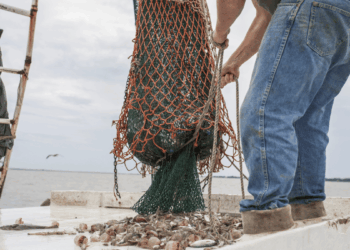
Marine heatwaves in the Mediterranean impacting fisheries and aquaculture

Marine heatwaves in the Mediterranean impacting fisheries and aquaculture

The Mediterranean Sea has never been so warm and unpredictable. Marine heatwaves in the Mediterranean are becoming a new structural factor that affects ecosystems and human activities, particularly fisheries and aquaculture.

The Copernicus Ocean State Report 9, published in September, depicts a basin warming faster than the global average: +0.41 °C per decade since 1982, with even higher values in the Aegean, Levantine and Adriatic Seas. These are not just figures: behind them lie Italian production chains at risk of losing stability, profitability and future prospects.

From the Po Delta to Sicily: two emblematic emergencies

Between 2022 and 2023, the Mediterranean experienced the longest marine heatwave of the past forty years, with temperatures up to 4.3 °C above average. In the Po Delta, the impact was devastating: clam farming recorded production collapses of up to 100%. To make matters worse, the spread of the invasive blue crab took advantage of the new conditions to consolidate its presence.

In Sicily, another threat became concrete. The expansion of the bearded fireworm, favored by warmer waters, has affected biodiversity, small-scale fisheries, and even human health. Two emblematic cases that show how climate change is no longer a theoretical issue, but a factor altering the economic and social balance of the Mediterranean seafood sector.

Mediterranean aquaculture under pressure

While fisheries pay the price for ecological transformations, aquaculture is under equally strong pressure. In 2024, 17% of European shellfish farms were hit by extreme heatwaves. All ocean regions adjacent to countries producing more than 5,000 tons annually now show warming and acidification above the global average.

For Italy, where shellfish farming is a cornerstone of the sector, these figures mean direct risks for businesses, cooperatives and employment. Rising temperatures reduce yields and alter product quality, while acidification threatens bivalve life cycles.

Policy and management: the time to act is now

The message of OSR9 is clear: awareness is not enough, operational responses are needed. At the European level, the Restore Our Ocean and Waters 2030 Mission aims to strengthen monitoring, innovation and governance. For Italy, the challenge is to integrate this data into practical management, from aquaculture concessions to fisheries plans, and even climate risk insurance strategies.

The most innovative tool introduced by the report is the Starfish Barometer, a dashboard that will annually monitor the health of the ocean and human pressures. A useful basis for more informed policies, but also for businesses and associations that need to recalibrate their models.

Marine heatwaves in the Mediterranean are not a passing event, but a new context the Italian seafood industry must learn to live with. Ignoring them means leaving businesses and coastal communities exposed to increasingly frequent shocks. Facing them with data and strategies, instead, means transforming a crisis into an opportunity for adaptation and resilience.

Stay updated: receive the most important seafood news every week.
NEWSLETTER

Tags: Aquaculturebearded firewormblue crabclimate changeCopernicus OSR9fisheriesmarine heatwavesMediterranean
CondividiTweetCondividiPinInviaCondividiInvia
Articolo precedente

Blue News Sicilia 5 | Unione Europea, Porti e Formazione

Prossimo articolo

Kadis incontra le marinerie siciliane

Alice Giacalone

Alice Giacalone

Autrice Pesceinrete Alice Giacalone scrive per Pesceinrete occupandosi di attualità, imprese, mercati e scenari della filiera ittica. Nei suoi contributi segue l’evoluzione del settore seafood con attenzione ai temi che incidono sul lavoro degli operatori, dalla pesca all’acquacoltura, dalla sostenibilità alle dinamiche commerciali.

Articoli Correlati

Fishing vessel at sea as warmer ocean temperatures and El Niño shift fish distribution and fishing grounds

El Niño is set to become very strong. Warmer seas are redrawing the geography of fishing

by Luca Di Noto
15 Settembre 2026

What happens to fisheries when seas become warmer? Warmer seas do not simply mean fewer fish. They can change where...

Imported caviar at the centre of the European debate on origin transparency

Imported caviar, European aquaculture calls for clearer origin information

by Mariella Ballatore
11 Settembre 2026

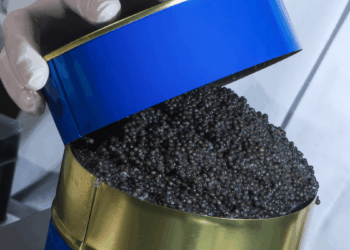
Imported caviar from non-EU countries has become a test case in European aquaculture’s call for greater origin transparency. FEAP warns...

Italian seafood presented to buyers at Seafood Expo Asia in Singapore

From blue crab to red shrimp, buyers put Italy’s seafood supply chain to the test in Singapore

by Redazione
9 Settembre 2026

From blue crab seeking an industrial supply chain to traceable bivalve molluscs and red shrimp for fine dining, Italy is...

Salmon fillet on the processing line at Freezco Eesti in Tallinn

Freezco expands salmon processing for the italian market

by Davide Ciravolo
7 Settembre 2026

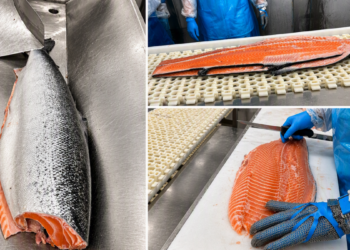
Freezco has expanded salmon processing for the Italian market through Freezco Eesti, a facility in Tallinn launched in May 2026....

Lascia un commento Annulla risposta

Il tuo indirizzo email non sarà pubblicato. I campi obbligatori sono contrassegnati *

Questo sito utilizza Akismet per ridurre lo spam. Scopri come vengono elaborati i dati derivati dai commenti.


Articoli più letti

  • 10 pesci costosi e prelibati
  • Le specie di sarago del Mediterraneo
  • Pesci con più e meno mercurio
  • Molva, una ricchezza del Mare del Nord
  • Molluschi bivalvi: descrizione e caratteristiche
  • Congelare il tonno in scatola
  • Gattuccio e palombo, gli squali buoni da mangiare
  • Triglia: caratteristiche e proprietà nutrizionali
  • Mangiare il tonno crudo: vantaggi e pericoli
  • Sgombro e lanzardo, pesce azzurro per il cuore
Pesceinrete

Pesceinrete è la testata giornalistica unica in Italia ad occuparsi di pesca commerciale ed acquacoltura. In quanto canale tematico e dai contenuti specializzati, si rivolge direttamente agli operatori della filiera con una comunicazione targettizzata che risponde alle esigenze del settore.

Segui le nostre pagine social

Stock images by Depositphotos

Newsletter

Categorie

  • News Ittico
  • Pesca
  • Acquacoltura
  • Associazioni di categoria
  • Sindacati
  • ONG
  • Tecnologia
  • Sostenibilità
  • Mercati
  • Eventi e Fiere
  • Overseas
  • Nutrizione e salute
  • Approfondimenti
  • Chi siamo
  • Policy editoriali
  • Partner
  • Contatti
  • Pubblicità
  • Newsletter
  • Mappa del sito

© 2026 INRETE S.R.L. P.Iva: 02557660814 - Pesceinrete - Il quotidiano del settore ittico | Credits

Pesceinrete
Gestisci Consenso

Usiamo cookie tecnici per far funzionare il sito, e cookie statistici (anche di terze parti) per capire come viene usato e migliorarlo. Puoi accettare tutto, rifiutare tutto o scegliere quali attivare — restando comunque libero di navigare senza restrizioni.

Funzionale Sempre attivo
L'archiviazione tecnica o l'accesso sono strettamente necessari al fine legittimo di consentire l'uso di un servizio specifico esplicitamente richiesto dall'abbonato o dall'utente, o al solo scopo di effettuare la trasmissione di una comunicazione su una rete di comunicazione elettronica.
Preferenze
L'archiviazione tecnica o l'accesso sono necessari per lo scopo legittimo di memorizzare le preferenze che non sono richieste dall'abbonato o dall'utente.
Statistiche
L'archiviazione tecnica o l'accesso che viene utilizzato esclusivamente per scopi statistici. L'archiviazione tecnica o l'accesso che viene utilizzato esclusivamente per scopi statistici anonimi. Senza un mandato di comparizione, una conformità volontaria da parte del vostro Fornitore di Servizi Internet, o ulteriori registrazioni da parte di terzi, le informazioni memorizzate o recuperate per questo scopo da sole non possono di solito essere utilizzate per l'identificazione.
Marketing
L'archiviazione tecnica o l'accesso sono necessari per creare profili di utenti per inviare pubblicità, o per tracciare l'utente su un sito web o su diversi siti web per scopi di marketing simili.
  • Gestisci opzioni
  • Gestisci servizi
  • Gestisci {vendor_count} fornitori
  • Per saperne di più su questi scopi
Personalizza
  • {title}
  • {title}
  • {title}
  • Home
  • Nutrizione e salute
  • Pesca
  • Acquacoltura
  • Approfondimenti
  • Tecnologia
  • Sostenibilità
  • Mercati
  • Overseas English NEW
  • Archivio
  • Chi siamo
  • Contatti
  • Partner
  • Pubblicità
  • Newsletter
Nessun Risultato
Vedi tutti i Risultati

© 2026 INRETE S.R.L. P.Iva: 02557660814 - Pesceinrete - Il quotidiano del settore ittico | Credits