Overseas


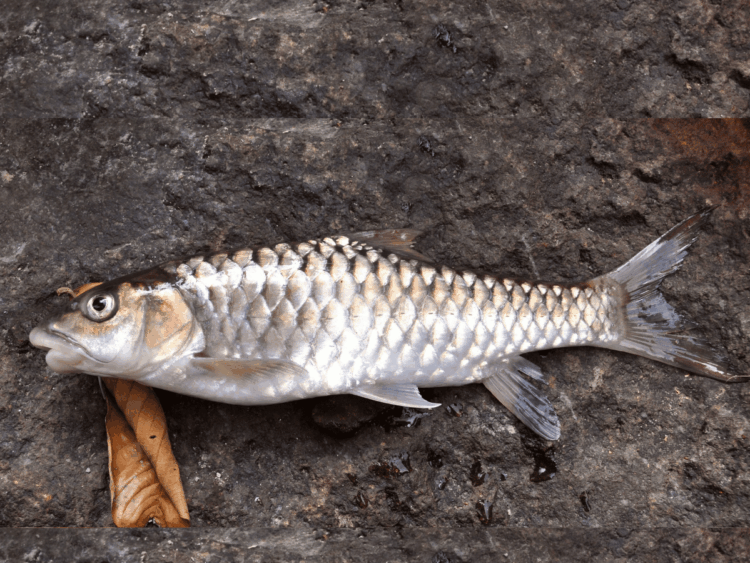
The most prized river fish in the world for the quality of its flesh is the Empurau from Sarawak, a large Malaysian Borneo cyprinid also known as Tor tambroides. Among the world’s most valued freshwater and river-linked species are also the Yangtze knife fish, now shaped by strict fishing restrictions in China, the Copper River king salmon from Alaska, the marble goby and the Hilsa from the Padma-Meghna river system. This ranking refers to the value of the adult fish’s flesh, not to caviar, eggs or juvenile stages.
Empurau, the Absolute Benchmark
The most prized river fish in the world for flesh quality is the Empurau, Tor tambroides, a large cyprinid from Sarawak, in Malaysian Borneo. Still little known to the European general public, it holds an almost legendary position in high-end Asian markets.
It lives in clean, well-oxygenated rivers, often in remote areas that are difficult to access. It grows slowly, remains rare and can command very high prices, especially when wild specimens are sold live or destined for premium restaurants.
Its value lies in the flesh. This is what makes Empurau the strongest reference among freshwater fish sought after for the gastronomic value of the adult product. Its meat is appreciated for fatness, softness and delicacy. Its reputation is also linked to the environment in which it grows and to its natural diet, shaped by what the river receives from the surrounding vegetation.
In this case, the river is not just a background. It is part of the product. Current, oxygenation, riverbed structure, food availability and ecosystem integrity all contribute to the commercial value of the species. This is why Empurau is difficult to replace with a standardized product: its price does not measure only the rarity of the fish, but also the rarity of the environment that makes it such a product.
Value Begins in the Habitat
In high-end freshwater fish, flesh quality is almost always tied to origin. Belonging to a prized species is not enough. What matters is where the fish grows, how long it takes to reach commercial size, how limited the supply is and what kind of reputation it has built in gastronomic markets.
Empurau brings all these factors together. It is rare, local, difficult to source and highly recognizable. It also tells a new geography of food luxury: not only caviar, oysters or large marine crustaceans, but also river species linked to fragile ecosystems and extremely short supply chains.
Its primacy should be read without folklore. It is not the “king of the river” because marketing says so. It is because the market recognizes high value at the most concrete point: the flesh.
This is the same logic that Pesceinrete has already explored in relation to why some fish species are considered premium: price is rarely the result of taste alone. It is built by biology, availability, handling, origin and demand.
The Yangtze and the Fish That Became Memory
Among the great names of Asian river cuisine is the Yangtze knife fish, also known as Yangtze saury or knife anchovy. For years it was one of the most desired fish in Chinese cuisine linked to the great river. The best specimens reached very high prices, driven by growing rarity and demand from high-end restaurants.
Today, however, it cannot be treated as an ordinary premium product. The ten-year commercial fishing ban introduced in key waters of the Yangtze River basin has turned this species into an emblematic case. It is no longer only a luxury fish, but also the sign of an ecosystem that required drastic protection measures.
The Yangtze knife fish therefore remains on the podium in the history of the most prized river fish for flesh quality, but it now also belongs to a story of scarcity, conservation and gastronomic memory. It is the case of a species that the market had turned into a symbol of luxury, before environmental pressure removed it from ordinary availability.
Migratory Fish That Still Belong to Rivers
The ranking becomes broader if migratory fish are also considered: species that are born or reproduce in rivers but spend part of their life at sea. They are not strictly freshwater fish, but their gastronomic value is often inseparable from the river.
The strongest example is Copper River king salmon from Alaska. Chinook salmon grows at sea, but its commercial value is also shaped by the upriver migration, seasonality, fat content and territorial reputation. It is a limited, identity-rich product, highly sought after in premium North American channels.
Copper River king salmon should not be confused with ordinary salmon. It is a different raw material in positioning, availability and gastronomic perception. It enters this ranking with a biological clarification, because it is a migratory fish, but without any commercial stretch: for reputation and flesh value, it is one of the world references in premium seafood.
In Southeast Asia, the marble goby, known as Soon Hock, also deserves attention. It is a freshwater and brackish-water fish appreciated in Chinese and Cantonese cuisine for its white, fine and delicate flesh. It does not reach the absolute value of Empurau, but it belongs to the same segment: fish sold live or extremely fresh, requested by high-end restaurants for quality, freshness and limited availability.
Then there is Hilsa, or Ilish, an identity fish for Bangladesh and Bengal. It lives between the sea, estuaries and large river systems such as the Padma and Meghna. Its value is not only economic: it is cultural, gastronomic, almost ritual. The best specimens, especially those associated with major rivers, can reach important prices during periods of strong demand.
This is also why the distinction between wild, farmed, freshwater, marine and migratory products should always be handled with care. As Pesceinrete has already noted in its guide on how to choose between wild and farmed fish, the decisive point is not a simple label, but origin, transparency, management and the real quality of the supply chain.
A Ranking Built on Flesh, Not on Caviar
Adult eel and sturgeon remain prized species, but they do not lead a ranking built on flesh. Eel reaches its most extreme economic value at the glass eel stage. Sturgeon owes much of its prestige to caviar. As flesh, both are important products, but their highest economic value comes from elsewhere.
The most credible ranking therefore places Empurau first, followed by the Yangtze knife fish as the great historical Asian case, Copper River king salmon among migratory fish, then marble goby and Hilsa. This is not a ranking of absolute records, but a map of gastronomic value across the world’s great river systems.
What the Price Really Measures
The most interesting point is the mechanism. In river fish, flesh becomes truly valuable when it carries something the market cannot easily reproduce: an intact habitat, slow growth, a season, a migration, a limited supply.
The price, in these cases, does not measure taste alone. It measures the growing distance between what rivers can still offer and what high-end gastronomy continues to seek.
This makes river fish an increasingly interesting category in the global discussion on seafood markets, sustainability and the future of aquatic food. It also reminds the supply chain that luxury, when it is real, is not built only at the table. It begins much earlier, inside the ecosystem.