• HOME
  • CHI SIAMO
  • CONTATTI
  • PARTNER
  • PUBBLICITÀ
  • NEWSLETTER
  • ARCHIVIO
    • Bandi e Opportunità
    • Speciali
    • Rubriche
    • Nutrizione e salute
    • Interviste
    • Video
martedì 15 Settembre, 2026
Pesceinrete
  • Pesca
  • Nutrizione e salute
  • Acquacoltura
    • Acquaponica
    • Algocoltura
  • Approfondimenti
  • Tecnologia
  • Sostenibilità
  • Mercati
  • OverseasNew
Nessun Risultato
Vedi tutti i Risultati
Pesceinrete
  • Pesca
  • Nutrizione e salute
  • Acquacoltura
    • Acquaponica
    • Algocoltura
  • Approfondimenti
  • Tecnologia
  • Sostenibilità
  • Mercati
  • OverseasNew
Nessun Risultato
Vedi tutti i Risultati
Pesceinrete
Nessun Risultato
Vedi tutti i Risultati

Home Overseas

The Invasion of the Sea Walnut in Italian Waters

Why Mnemiopsis leidyi is becoming an ecological and fisheries concern in the Mediterranean

Alice Giacalone by Alice Giacalone
29 Gennaio 2026
in Overseas
Sea Walnut Invasion in Italy: What’s Changing Underwater

Sea Walnut Invasion in Italy: What’s Changing Underwater

A growing presence in Italian seas

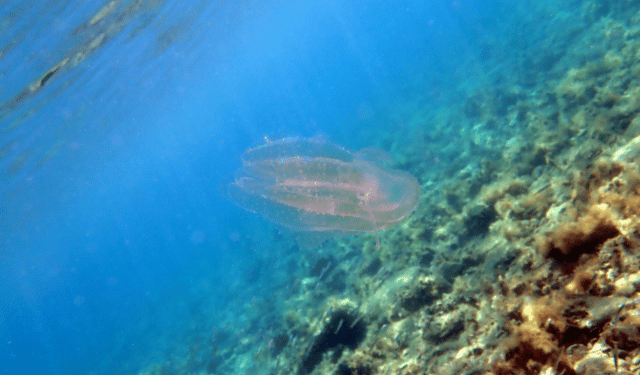
The sea walnut invasion in Italy is a real and long-documented phenomenon, now increasingly visible—especially along the Adriatic coast and in lagoon environments. The species is Mnemiopsis leidyi and, although it may look like a jellyfish, it is actually a ctenophore, a gelatinous organism from a different biological group.

Transparent, fragile and almost hypnotic in its iridescent reflections, the sea walnut is non-stinging and poses no direct risk to humans. The problem is not related to bathing or health: it is primarily ecological and, indirectly, economic for marine production systems.

Native to the Atlantic coasts of the Americas, Mnemiopsis leidyi likely arrived in the Mediterranean via international shipping, transported in ships’ ballast water. Once introduced, it found ideal conditions—especially in enclosed or semi-enclosed basins such as lagoons, gulfs, and warm, nutrient-rich coastal waters.

Where it is most established in Italy

In Italy, its presence is reported consistently, particularly in the northern Adriatic, the Gulf of Trieste, and the Venice Lagoon. In these areas, high concentrations have been recorded in recent years, prompting growing attention from researchers and the fisheries sector.

The key concern is feeding behaviour. The sea walnut consumes zooplankton, but also fish eggs and larvae. In practice, it competes for and removes the resources needed for the reproduction of many fish species, disrupting natural recruitment. It does not attack adult fish, but it can reduce the ability of populations to renew themselves.

The Black Sea case—often cited in scientific literature—shows what can happen when Mnemiopsis leidyi proliferates unchecked: ecosystem imbalance, a sharp drop in fish stocks, and serious economic impacts. The Mediterranean is not the Black Sea, but the precedent remains a significant warning sign.

Broader environmental drivers can further support its spread. Rising sea temperatures, salinity changes, and increasingly unstable coastal conditions linked to climate change make some areas particularly favourable to opportunistic, adaptable species such as Mnemiopsis leidyi.

From a management standpoint, there are no fast, definitive interventions. Large-scale physical removal is not feasible, while introducing natural predators can create additional risks that are difficult to predict. For now, the most effective approach is continuous scientific monitoring, paired with accurate information for seafood and fisheries operators.

A structural signal for the seafood supply chain

For the seafood supply chain, the spread of the sea walnut highlights how fragile and interconnected marine ecosystems have become. This is not a sudden emergency, but a structural phenomenon unfolding within a complex context of environmental pressure, resource sustainability, and long-term planning needs.

Understanding what is happening—without alarmism but without underestimation—is the first step toward managing a Mediterranean transformation that is already underway.

For more insights on the future of Italian and European fisheries and the blue economy, follow ongoing coverage and analysis on Pesceinrete.
NEWSLETTER

Tags: Adriatic Seaballast water speciesclimate change and oceanscoastal lagoonsctenophorefish larvae predationfisheries impactgelatinous zooplanktonGulf of Triesteinvasive marine speciesmarine ecosystem imbalanceMediterranean biodiversitymediterranean seaMnemiopsis leidyiSea walnutsea walnut invasion ItalyVenice Lagoon
CondividiTweetCondividiPinInviaCondividiInvia
Articolo precedente

The Diamond Lizardfish Emerges from the Shadows of the Mediterranean

Prossimo articolo

Il mercato ittico europeo entra nel 2026 con meno prodotto e più valore

Alice Giacalone

Alice Giacalone

Autrice Pesceinrete Alice Giacalone scrive per Pesceinrete occupandosi di attualità, imprese, mercati e scenari della filiera ittica. Nei suoi contributi segue l’evoluzione del settore seafood con attenzione ai temi che incidono sul lavoro degli operatori, dalla pesca all’acquacoltura, dalla sostenibilità alle dinamiche commerciali.

Articoli Correlati

Fishing vessel at sea as warmer ocean temperatures and El Niño shift fish distribution and fishing grounds

El Niño is set to become very strong. Warmer seas are redrawing the geography of fishing

by Luca Di Noto
15 Settembre 2026

What happens to fisheries when seas become warmer? Warmer seas do not simply mean fewer fish. They can change where...

Imported caviar at the centre of the European debate on origin transparency

Imported caviar, European aquaculture calls for clearer origin information

by Mariella Ballatore
11 Settembre 2026

Imported caviar from non-EU countries has become a test case in European aquaculture’s call for greater origin transparency. FEAP warns...

Italian seafood presented to buyers at Seafood Expo Asia in Singapore

From blue crab to red shrimp, buyers put Italy’s seafood supply chain to the test in Singapore

by Redazione
9 Settembre 2026

From blue crab seeking an industrial supply chain to traceable bivalve molluscs and red shrimp for fine dining, Italy is...

Salmon fillet on the processing line at Freezco Eesti in Tallinn

Freezco expands salmon processing for the italian market

by Davide Ciravolo
7 Settembre 2026

Freezco has expanded salmon processing for the Italian market through Freezco Eesti, a facility in Tallinn launched in May 2026....

Lascia un commento Annulla risposta

Il tuo indirizzo email non sarà pubblicato. I campi obbligatori sono contrassegnati *

Questo sito utilizza Akismet per ridurre lo spam. Scopri come vengono elaborati i dati derivati dai commenti.


Articoli più letti

  • 10 pesci costosi e prelibati
  • Le specie di sarago del Mediterraneo
  • Pesci con più e meno mercurio
  • Molva, una ricchezza del Mare del Nord
  • Molluschi bivalvi: descrizione e caratteristiche
  • Congelare il tonno in scatola
  • Gattuccio e palombo, gli squali buoni da mangiare
  • Triglia: caratteristiche e proprietà nutrizionali
  • Mangiare il tonno crudo: vantaggi e pericoli
  • Sgombro e lanzardo, pesce azzurro per il cuore
Pesceinrete

Pesceinrete è la testata giornalistica unica in Italia ad occuparsi di pesca commerciale ed acquacoltura. In quanto canale tematico e dai contenuti specializzati, si rivolge direttamente agli operatori della filiera con una comunicazione targettizzata che risponde alle esigenze del settore.

Segui le nostre pagine social

Stock images by Depositphotos

Newsletter

Categorie

  • News Ittico
  • Pesca
  • Acquacoltura
  • Associazioni di categoria
  • Sindacati
  • ONG
  • Tecnologia
  • Sostenibilità
  • Mercati
  • Eventi e Fiere
  • Overseas
  • Nutrizione e salute
  • Approfondimenti
  • Chi siamo
  • Policy editoriali
  • Partner
  • Contatti
  • Pubblicità
  • Newsletter
  • Mappa del sito

© 2026 INRETE S.R.L. P.Iva: 02557660814 - Pesceinrete - Il quotidiano del settore ittico | Credits

Pesceinrete
Gestisci Consenso

Usiamo cookie tecnici per far funzionare il sito, e cookie statistici (anche di terze parti) per capire come viene usato e migliorarlo. Puoi accettare tutto, rifiutare tutto o scegliere quali attivare — restando comunque libero di navigare senza restrizioni.

Funzionale Sempre attivo
L'archiviazione tecnica o l'accesso sono strettamente necessari al fine legittimo di consentire l'uso di un servizio specifico esplicitamente richiesto dall'abbonato o dall'utente, o al solo scopo di effettuare la trasmissione di una comunicazione su una rete di comunicazione elettronica.
Preferenze
L'archiviazione tecnica o l'accesso sono necessari per lo scopo legittimo di memorizzare le preferenze che non sono richieste dall'abbonato o dall'utente.
Statistiche
L'archiviazione tecnica o l'accesso che viene utilizzato esclusivamente per scopi statistici. L'archiviazione tecnica o l'accesso che viene utilizzato esclusivamente per scopi statistici anonimi. Senza un mandato di comparizione, una conformità volontaria da parte del vostro Fornitore di Servizi Internet, o ulteriori registrazioni da parte di terzi, le informazioni memorizzate o recuperate per questo scopo da sole non possono di solito essere utilizzate per l'identificazione.
Marketing
L'archiviazione tecnica o l'accesso sono necessari per creare profili di utenti per inviare pubblicità, o per tracciare l'utente su un sito web o su diversi siti web per scopi di marketing simili.
  • Gestisci opzioni
  • Gestisci servizi
  • Gestisci {vendor_count} fornitori
  • Per saperne di più su questi scopi
Personalizza
  • {title}
  • {title}
  • {title}
  • Home
  • Nutrizione e salute
  • Pesca
  • Acquacoltura
  • Approfondimenti
  • Tecnologia
  • Sostenibilità
  • Mercati
  • Overseas English NEW
  • Archivio
  • Chi siamo
  • Contatti
  • Partner
  • Pubblicità
  • Newsletter
Nessun Risultato
Vedi tutti i Risultati

© 2026 INRETE S.R.L. P.Iva: 02557660814 - Pesceinrete - Il quotidiano del settore ittico | Credits