• HOME
  • CHI SIAMO
  • CONTATTI
  • PARTNER
  • PUBBLICITÀ
  • NEWSLETTER
  • ARCHIVIO
    • Bandi e Opportunità
    • Speciali
    • Rubriche
    • Nutrizione e salute
    • Interviste
    • Video
mercoledì 16 Settembre, 2026
Pesceinrete
  • Pesca
  • Nutrizione e salute
  • Acquacoltura
    • Acquaponica
    • Algocoltura
  • Approfondimenti
  • Tecnologia
  • Sostenibilità
  • Mercati
  • OverseasNew
Nessun Risultato
Vedi tutti i Risultati
Pesceinrete
  • Pesca
  • Nutrizione e salute
  • Acquacoltura
    • Acquaponica
    • Algocoltura
  • Approfondimenti
  • Tecnologia
  • Sostenibilità
  • Mercati
  • OverseasNew
Nessun Risultato
Vedi tutti i Risultati
Pesceinrete
Nessun Risultato
Vedi tutti i Risultati

Home Overseas

Western Mediterranean fishing opportunities: the 2026 agreement

In the Western Mediterranean, an area directly involving France, Italy and Spain, more than half of the assessed fish populations—around 55%—remain overexploited.

Tiziana Indorato by Tiziana Indorato
16 Dicembre 2025
in Overseas
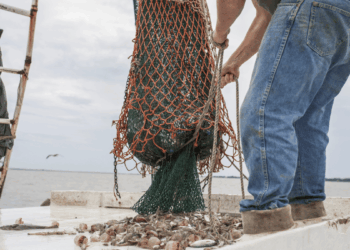
Western Mediterranean fishing opportunities the 2026 agreement

Western Mediterranean fishing opportunities the 2026 agreement

A fragile stability for Western Mediterranean fisheries

The political agreement reached by European Union ministers on fishing opportunities in the Western Mediterranean for 2026 offers the fleet a sense of short-term continuity and breathing space, but it leaves unresolved an issue the sector has known for far too long: excessive pressure on fish stocks. Behind the word “stability”, in fact, lies a fragile balance that fails to address the core challenge of biological and economic sustainability in Mediterranean fisheries.

Overexploited stocks remain the central challenge

In the Western Mediterranean, an area directly involving France, Italy and Spain, more than half of the assessed fish populations—around 55%—remain overexploited. Fishing mortality continues to be significantly higher than sustainable levels, at approximately 1.6 times the reference values. These figures reflect a reality well known to fishing operators, institutions and the scientific community, highlighting how fisheries management remains a complex equation in which every decision weighs heavily on the future of the sector.

No further cuts to trawling days in 2026

Faced with mounting socio-economic pressure, ministers chose not to further reduce trawling days, maintaining for 2026 the same management framework already set for 2025. This decision responds to the daily difficulties faced by fishing enterprises, but according to several environmental organisations, it risks once again postponing essential structural interventions. As underlined by Giulia Guadagnoli, Senior Policy Advisor at Oceana in Europe, securing a prosperous future for the sector will inevitably require a more decisive reduction in fishing mortality and action on overcapacity, in order to safeguard both marine ecosystems and the long-term viability of the fishing fleet.

Legal obligations under EU fisheries policy

The European regulatory framework is clear. Member States in the Western Mediterranean are under a legal obligation to end overfishing by 2025, in line with the Common Fisheries Policy (CFP) and the multiannual management plan. The 2026 agreement, however, confirms the fishing days already established, without further cuts, while introducing a key constraint: the total number of days may not, under any circumstances, exceed the levels authorised for 2025, even through the benefits derived from the compensation mechanism. This clause is designed to prevent a net increase in fishing effort, but it shifts attention to the actual effectiveness of management tools.

The compensation mechanism and its limits

At the heart of the agreement lies the compensation mechanism, based on voluntary technical measures such as gear modifications to improve selectivity, spatial or seasonal closures, and other options—up to a maximum of fourteen measures—intended to reduce fishing mortality. In theory, these instruments can support a more gradual transition to sustainable fisheries. In practice, their success will depend on rigorous implementation, measurable biological benefits, and an effective monitoring system. Any additional fishing day, as Guadagnoli has pointed out, must be strictly proportionate to the results achieved in terms of stock recovery.

Deep-sea ecosystem protection remains insufficient

Critical issues remain. Among them is the failure to extend protections for deep-sea ecosystems. The closure to fishing remains set below 800 metres, without being extended to 600 metres—a depth at which fishing activity is already very limited. This choice risks allowing vessels to benefit unjustifiably from additional fishing days, increasing overall fishing effort and diverging from scientific recommendations.

For more insights on the future of Italian fisheries and the blue economy, follow ongoing coverage and analysis on Pesceinrete.

NEWSLETTER

Tags: EU fisheries policyFishing effortmediterranean seaOverfishingsustainable fisheriesTrawlingwestern mediterranean
CondividiTweetCondividiPinInviaCondividiInvia
Articolo precedente

Comunicare meno, comunicare meglio: una sfida anche per la filiera ittica

Prossimo articolo

Unci AgroAlimentare presenta progetto “GiraRe”

Tiziana Indorato

Tiziana Indorato

Autrice Pesceinrete Tiziana Indorato scrive per Pesceinrete occupandosi di seafood, sostenibilità, mercati, innovazione e scenari internazionali. I suoi articoli seguono l’evoluzione della filiera ittica con attenzione ai cambiamenti ambientali, commerciali e regolatori che incidono sul lavoro delle imprese e sulla percezione del prodotto ittico.

Articoli Correlati

Fishing vessel at sea as warmer ocean temperatures and El Niño shift fish distribution and fishing grounds

El Niño is set to become very strong. Warmer seas are redrawing the geography of fishing

by Luca Di Noto
15 Settembre 2026

What happens to fisheries when seas become warmer? Warmer seas do not simply mean fewer fish. They can change where...

Imported caviar at the centre of the European debate on origin transparency

Imported caviar, European aquaculture calls for clearer origin information

by Mariella Ballatore
11 Settembre 2026

Imported caviar from non-EU countries has become a test case in European aquaculture’s call for greater origin transparency. FEAP warns...

Italian seafood presented to buyers at Seafood Expo Asia in Singapore

From blue crab to red shrimp, buyers put Italy’s seafood supply chain to the test in Singapore

by Redazione
9 Settembre 2026

From blue crab seeking an industrial supply chain to traceable bivalve molluscs and red shrimp for fine dining, Italy is...

Salmon fillet on the processing line at Freezco Eesti in Tallinn

Freezco expands salmon processing for the italian market

by Davide Ciravolo
7 Settembre 2026

Freezco has expanded salmon processing for the Italian market through Freezco Eesti, a facility in Tallinn launched in May 2026....

Lascia un commento Annulla risposta

Il tuo indirizzo email non sarà pubblicato. I campi obbligatori sono contrassegnati *

Questo sito utilizza Akismet per ridurre lo spam. Scopri come vengono elaborati i dati derivati dai commenti.


Articoli più letti

  • 10 pesci costosi e prelibati
  • Le specie di sarago del Mediterraneo
  • Pesci con più e meno mercurio
  • Molva, una ricchezza del Mare del Nord
  • Molluschi bivalvi: descrizione e caratteristiche
  • Congelare il tonno in scatola
  • Gattuccio e palombo, gli squali buoni da mangiare
  • Triglia: caratteristiche e proprietà nutrizionali
  • Mangiare il tonno crudo: vantaggi e pericoli
  • Sgombro e lanzardo, pesce azzurro per il cuore
Pesceinrete

Pesceinrete è la testata giornalistica unica in Italia ad occuparsi di pesca commerciale ed acquacoltura. In quanto canale tematico e dai contenuti specializzati, si rivolge direttamente agli operatori della filiera con una comunicazione targettizzata che risponde alle esigenze del settore.

Segui le nostre pagine social

Stock images by Depositphotos

Newsletter

Categorie

  • News Ittico
  • Pesca
  • Acquacoltura
  • Associazioni di categoria
  • Sindacati
  • ONG
  • Tecnologia
  • Sostenibilità
  • Mercati
  • Eventi e Fiere
  • Overseas
  • Nutrizione e salute
  • Approfondimenti
  • Chi siamo
  • Policy editoriali
  • Partner
  • Contatti
  • Pubblicità
  • Newsletter
  • Mappa del sito

© 2026 INRETE S.R.L. P.Iva: 02557660814 - Pesceinrete - Il quotidiano del settore ittico | Credits

Pesceinrete
Gestisci Consenso

Usiamo cookie tecnici per far funzionare il sito, e cookie statistici (anche di terze parti) per capire come viene usato e migliorarlo. Puoi accettare tutto, rifiutare tutto o scegliere quali attivare — restando comunque libero di navigare senza restrizioni.

Funzionale Sempre attivo
L'archiviazione tecnica o l'accesso sono strettamente necessari al fine legittimo di consentire l'uso di un servizio specifico esplicitamente richiesto dall'abbonato o dall'utente, o al solo scopo di effettuare la trasmissione di una comunicazione su una rete di comunicazione elettronica.
Preferenze
L'archiviazione tecnica o l'accesso sono necessari per lo scopo legittimo di memorizzare le preferenze che non sono richieste dall'abbonato o dall'utente.
Statistiche
L'archiviazione tecnica o l'accesso che viene utilizzato esclusivamente per scopi statistici. L'archiviazione tecnica o l'accesso che viene utilizzato esclusivamente per scopi statistici anonimi. Senza un mandato di comparizione, una conformità volontaria da parte del vostro Fornitore di Servizi Internet, o ulteriori registrazioni da parte di terzi, le informazioni memorizzate o recuperate per questo scopo da sole non possono di solito essere utilizzate per l'identificazione.
Marketing
L'archiviazione tecnica o l'accesso sono necessari per creare profili di utenti per inviare pubblicità, o per tracciare l'utente su un sito web o su diversi siti web per scopi di marketing simili.
  • Gestisci opzioni
  • Gestisci servizi
  • Gestisci {vendor_count} fornitori
  • Per saperne di più su questi scopi
Personalizza
  • {title}
  • {title}
  • {title}
  • Home
  • Nutrizione e salute
  • Pesca
  • Acquacoltura
  • Approfondimenti
  • Tecnologia
  • Sostenibilità
  • Mercati
  • Overseas English NEW
  • Archivio
  • Chi siamo
  • Contatti
  • Partner
  • Pubblicità
  • Newsletter
Nessun Risultato
Vedi tutti i Risultati

© 2026 INRETE S.R.L. P.Iva: 02557660814 - Pesceinrete - Il quotidiano del settore ittico | Credits