• HOME
  • CHI SIAMO
  • CONTATTI
  • PARTNER
  • PUBBLICITÀ
  • NEWSLETTER
  • ARCHIVIO
    • Bandi e Opportunità
    • Speciali
    • Rubriche
    • Nutrizione e salute
    • Interviste
    • Video
sabato 14 Novembre, 2026
Pesceinrete
  • Pesca
  • Acquacoltura
    • Acquaponica
    • Algocoltura
  • Tecnologia
  • Sostenibilità
  • Mercati
  • Nutrizione e salute
  • Overseas
  • Guida BuyerNew
Nessun Risultato
Vedi tutti i Risultati
Pesceinrete
  • Pesca
  • Acquacoltura
    • Acquaponica
    • Algocoltura
  • Tecnologia
  • Sostenibilità
  • Mercati
  • Nutrizione e salute
  • Overseas
  • Guida BuyerNew
Nessun Risultato
Vedi tutti i Risultati
Pesceinrete
Nessun Risultato
Vedi tutti i Risultati

Home Overseas

ASC to Certify Atlantic Cod by Late 2025

Certifying cod is a concrete response to rising demand for seafood produced with responsible practices.

Tiziana Indorato by Tiziana Indorato
15 Ottobre 2025
in Overseas
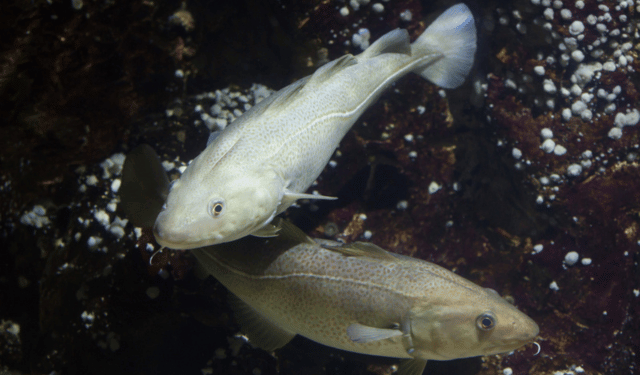
Farmed Atlantic cod underwater in sea cages, sustainability focus

Farmed Atlantic cod underwater in sea cages, sustainability focus

Aquaculture Stewardship Council has announced the inclusion of Atlantic cod in the ASC certification program by the end of 2025, marking a decisive step for sustainable aquaculture. The decision follows a 30-day consultation that engaged numerous stakeholders, particularly from Norway, currently the leading producer of farmed cod.

Certifying cod is a concrete response to rising demand for seafood produced with responsible practices. Farmers, retailers, and consumers are calling for greater transparency and guarantees on animal welfare, traceability, and environmental protection. With this move, ASC consolidates its role as the global reference standard for a rapidly evolving sector.

The initial integration will take place through an updated version of the ASC Salmon Standard, which already shares many criteria applicable to cod farming. After a two-year transition, the species will be fully incorporated into the ASC Farm Standard V1.1. This step will allow producers to obtain certification quickly, encouraging broad adoption of a sustainable production model.

In Norway, companies such as Ode, a leader in cod farming, will benefit from a clear, recognized pathway to enhance their product’s value in international markets. Interest is already high in Iceland, Scotland, the Faroe Islands, and Canada—countries facing reduced quotas for wild cod and looking to aquaculture as a strategic alternative.

The new ASC standard for cod will prioritize crucial topics such as disease management, biodiversity conservation, and reducing impacts on marine ecosystems. It will also assess practices related to efficient resource use and working conditions, with the goal of making cod farming a model that balances profitability with environmental responsibility.

A sustainable response to the North Sea crisis

The announcement comes at a delicate time for European fisheries: ICES has recently recommended a total closure of North Sea cod fishing by 2026, highlighting the need to transition to more sustainable production systems. In this context, ASC offers a concrete pathway to safeguard one of the emblematic species of Nordic fishing tradition while ensuring economic continuity for the value chain.

Including cod in the ASC certification program is not just a technical expansion of the standard; it’s a political and cultural signal. It shows that sustainability can be the main lever to rewrite the future of the seafood sector, reconciling environmental and production needs in a credible balance.

Subscribe to receive the most important seafood sector news every week.

NEWSLETTER

Tags: AquacultureASCAtlantic codcertificationNorwayseafood standardssustainability
CondividiTweetCondividiPinInviaCondividiInvia
Articolo precedente

Come il marketing può farci scegliere più pesce (e meglio)

Prossimo articolo

Federpesca: servono vere politiche industriali per il futuro della pesca italiana

Tiziana Indorato

Tiziana Indorato

Autrice Pesceinrete Tiziana Indorato scrive per Pesceinrete occupandosi di seafood, sostenibilità, mercati, innovazione e scenari internazionali. I suoi articoli seguono l’evoluzione della filiera ittica con attenzione ai cambiamenti ambientali, commerciali e regolatori che incidono sul lavoro delle imprese e sulla percezione del prodotto ittico.

Articoli Correlati

Mitilla mussels from Pellestrina

Mussel farming under climate pressure: Italian project proposes automated depth control

by Redazione
14 Novembre 2026

A student-led solution developed for Mitilla in the Venice lagoon has been selected at the DIVE innovation challenge. Floating platforms,...

Gilthead seabream illustrating a comparison of aquaculture production in Greece and Italy

Seabream and seabass: Greece produces eight times Italy’s volume as imports and prices rise

by Davide Ciravolo
12 Novembre 2026

Greek farms produced 119,000 tonnes in 2025, compared with 14,500 tonnes in Italy. Italian imports increased, but households also paid...

Phytoplankton bloom in the Northern Adriatic Sea observed by Copernicus Sentinel-2 on 12 August 2024

Northern Adriatic phytoplankton: satellites and DNA in biodiversity research

by Alice Giacalone
11 Novembre 2026

ESA-funded PhytoDiverse is developing satellite indicators of phytoplankton biodiversity in the Northern Adriatic. Separate DNA research highlights why field measurements...

Oysters growing on suspended ropes underwater

Aquaculture and biodiversity: when farms can support conservation

by Alice Giacalone
10 Novembre 2026

Some aquaculture systems can provide habitat for wild species and support biodiversity conservation. A FAO report examines whether these benefits...

Lascia un commento Annulla risposta

Il tuo indirizzo email non sarà pubblicato. I campi obbligatori sono contrassegnati *

Questo sito utilizza Akismet per ridurre lo spam. Scopri come vengono elaborati i dati derivati dai commenti.


Articoli più letti

  • 10 pesci costosi e prelibati
  • Le specie di sarago del Mediterraneo
  • Pesci con più e meno mercurio
  • Molva, una ricchezza del Mare del Nord
  • Molluschi bivalvi: descrizione e caratteristiche
  • Congelare il tonno in scatola
  • Gattuccio e palombo, gli squali buoni da mangiare
  • Triglia: caratteristiche e proprietà nutrizionali
  • Mangiare il tonno crudo: vantaggi e pericoli
  • Sgombro e lanzardo, pesce azzurro per il cuore
Pesceinrete

Pesceinrete è la testata giornalistica unica in Italia ad occuparsi di pesca commerciale ed acquacoltura. In quanto canale tematico e dai contenuti specializzati, si rivolge direttamente agli operatori della filiera con una comunicazione targettizzata che risponde alle esigenze del settore.

Segui le nostre pagine social

Stock images by Depositphotos

Newsletter

Categorie

  • News Ittico
  • Pesca
  • Acquacoltura
  • Associazioni di categoria
  • Sindacati
  • ONG
  • Tecnologia
  • Sostenibilità
  • Mercati
  • Eventi e Fiere
  • Overseas
  • Nutrizione e salute
  • Approfondimenti
  • Chi siamo
  • Policy editoriali
  • Partner
  • Contatti
  • Pubblicità
  • Newsletter
  • Mappa del sito

© 2026 INRETE S.R.L. P.Iva: 02557660814 - Pesceinrete - Il quotidiano del settore ittico | Credits

Pesceinrete
Gestisci Consenso

Usiamo cookie tecnici per far funzionare il sito, e cookie statistici (anche di terze parti) per capire come viene usato e migliorarlo. Puoi accettare tutto, rifiutare tutto o scegliere quali attivare — restando comunque libero di navigare senza restrizioni.

Funzionale Sempre attivo
L'archiviazione tecnica o l'accesso sono strettamente necessari al fine legittimo di consentire l'uso di un servizio specifico esplicitamente richiesto dall'abbonato o dall'utente, o al solo scopo di effettuare la trasmissione di una comunicazione su una rete di comunicazione elettronica.
Preferenze
L'archiviazione tecnica o l'accesso sono necessari per lo scopo legittimo di memorizzare le preferenze che non sono richieste dall'abbonato o dall'utente.
Statistiche
L'archiviazione tecnica o l'accesso che viene utilizzato esclusivamente per scopi statistici. L'archiviazione tecnica o l'accesso che viene utilizzato esclusivamente per scopi statistici anonimi. Senza un mandato di comparizione, una conformità volontaria da parte del vostro Fornitore di Servizi Internet, o ulteriori registrazioni da parte di terzi, le informazioni memorizzate o recuperate per questo scopo da sole non possono di solito essere utilizzate per l'identificazione.
Marketing
L'archiviazione tecnica o l'accesso sono necessari per creare profili di utenti per inviare pubblicità, o per tracciare l'utente su un sito web o su diversi siti web per scopi di marketing simili.
  • Gestisci opzioni
  • Gestisci servizi
  • Gestisci {vendor_count} fornitori
  • Per saperne di più su questi scopi
Personalizza
  • {title}
  • {title}
  • {title}
  • Home
  • Pesca
  • Acquacoltura
  • Approfondimenti
  • Tecnologia
  • Sostenibilità
  • Mercati
  • Guida Buyer NEW
  • Overseas English
  • Nutrizione e salute
  • Archivio
  • Chi siamo
  • Contatti
  • Partner
  • Pubblicità
  • Newsletter
Nessun Risultato
Vedi tutti i Risultati

© 2026 INRETE S.R.L. P.Iva: 02557660814 - Pesceinrete - Il quotidiano del settore ittico | Credits