• HOME
  • CHI SIAMO
  • CONTATTI
  • PARTNER
  • PUBBLICITÀ
  • NEWSLETTER
  • ARCHIVIO
    • Bandi e Opportunità
    • Speciali
    • Rubriche
    • Nutrizione e salute
    • Interviste
    • Video
mercoledì 16 Settembre, 2026
Pesceinrete
  • Pesca
  • Nutrizione e salute
  • Acquacoltura
    • Acquaponica
    • Algocoltura
  • Approfondimenti
  • Tecnologia
  • Sostenibilità
  • Mercati
  • OverseasNew
Nessun Risultato
Vedi tutti i Risultati
Pesceinrete
  • Pesca
  • Nutrizione e salute
  • Acquacoltura
    • Acquaponica
    • Algocoltura
  • Approfondimenti
  • Tecnologia
  • Sostenibilità
  • Mercati
  • OverseasNew
Nessun Risultato
Vedi tutti i Risultati
Pesceinrete
Nessun Risultato
Vedi tutti i Risultati

Home Overseas

European Aquaculture and the Challenge of Territorial Acceptance

Why social consensus has become a decisive factor for the future growth of aquaculture in Europe

Tiziana Indorato by Tiziana Indorato
8 Gennaio 2026
in Overseas
European Aquaculture and the Challenge of Territorial Acceptance

European Aquaculture and the Challenge of Territorial Acceptance

In Europe, the demand for sustainable, traceable, and locally sourced seafood is now a well-established reality. This orientation is shared by consumers, institutions, and the production chain alike. Yet one of the sectors expected to respond to these expectations continues to grow less than its potential would suggest.

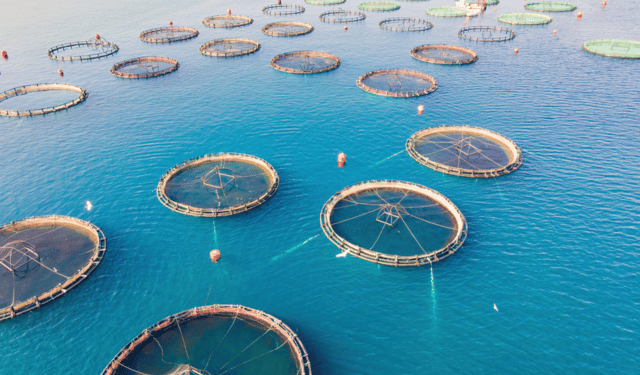
European aquaculture is not currently constrained by technological limitations, nor by shortcomings in product quality. Its development trajectory is shaped instead by a less visible but increasingly decisive factor: the relationship with the territories where aquaculture facilities are expected to operate.

In recent years, the expansion of aquaculture has encountered widespread resistance along coastal areas. This resistance has resulted in authorization delays, procedural complexity, and a climate of uncertainty that makes it difficult to plan medium- to long-term investments. The outcome is fragmented and uneven growth, often falling short of the sector’s productive potential.

Beyond product quality

For a long time, public debate around aquaculture focused on the quality of farmed fish and its comparison with wild-caught seafood. Today, this issue has largely lost its centrality. Control systems, traceability, and the evolution of production practices have helped to build stronger market confidence.

The point of friction has shifted elsewhere. Conflict emerges primarily when aquaculture comes into direct contact with other uses of coastal and marine space. Tourism, small-scale fisheries, landscape protection, and public access to coastal areas become competing interests that rarely find immediate balance.

In this context, aquaculture facilities are often perceived as external elements rather than integral parts of the local economy—not so much because of what they produce, but because of how they occupy and transform space.

Shared space and implicit consent

The core issue is not aquaculture’s presence per se, but the level of consent accompanying that presence. When productive activity is not recognized as a source of value for the local community, conflict becomes structural.

Stable employment, economic continuity, stewardship of coastal areas, and contributions to food production are benefits that often remain abstract in public debate. Without a tangible perception of these elements, territories tend to react with skepticism, if not outright opposition.

The result is a vicious cycle: lack of consensus slows decision-making processes, delays discourage investment, and the absence of investment reduces the sector’s ability to generate visible local benefits.

A constraint that becomes political

Local acceptance directly influences public administration decisions. Regions and municipalities operate within a delicate balance between promoting strategic sectors and managing social pressure.

Where consensus is fragile, even well-designed policies risk being implemented with extreme caution. Longer procedures, reduced planning capacity, and difficulty in supporting innovation are often indirect consequences of a conflictual territorial context.

In this sense, social consensus is not a marginal factor but a variable that shapes the ability of institutions to support sector development. Where the relationship between aquaculture and territory is solid, policies gain continuity. Where it is weak, stagnation tends to prevail.

A decisive variable for the sector’s future

Within the European framework—marked by climate change, pressure on fish stocks, and growing demand for marine-based proteins—aquaculture represents one of the possible responses. However, its growth will not depend solely on technological innovation or production efficiency.

The ability to integrate into local territories, coexist with other spatial uses, and be recognized as part of a broader economic and social balance will be one of the decisive variables in the years ahead.

As long as this balance remains unresolved, aquaculture will continue to operate in a grey zone: strategic in declarations, but fragile in practice. It is precisely within this gap between potential and reality that a significant part of the future of the European seafood supply chain will be determined.

For more insights on the future of Italian fisheries and the blue economy, follow ongoing coverage and analysis on Pesceinrete.

NEWSLETTER

Tags: aquaculture developmentBlue Economycoastal communitiescoastal managementEuropean aquacultureEuropean Fisherieslocal communitiesMarine Spatial Planningseafood supply chainsocial consensussustainable food systemssustainable seafoodterritorial acceptance
CondividiTweetCondividiPinInviaCondividiInvia
Articolo precedente

Gennaio e la resa dei conti nei reparti ittici

Prossimo articolo

Nostromo debutta a Marca 2026: innovazione e MDD al centro della strategia

Tiziana Indorato

Tiziana Indorato

Autrice Pesceinrete Tiziana Indorato scrive per Pesceinrete occupandosi di seafood, sostenibilità, mercati, innovazione e scenari internazionali. I suoi articoli seguono l’evoluzione della filiera ittica con attenzione ai cambiamenti ambientali, commerciali e regolatori che incidono sul lavoro delle imprese e sulla percezione del prodotto ittico.

Articoli Correlati

Fishing vessel at sea as warmer ocean temperatures and El Niño shift fish distribution and fishing grounds

El Niño is set to become very strong. Warmer seas are redrawing the geography of fishing

by Luca Di Noto
15 Settembre 2026

What happens to fisheries when seas become warmer? Warmer seas do not simply mean fewer fish. They can change where...

Imported caviar at the centre of the European debate on origin transparency

Imported caviar, European aquaculture calls for clearer origin information

by Mariella Ballatore
11 Settembre 2026

Imported caviar from non-EU countries has become a test case in European aquaculture’s call for greater origin transparency. FEAP warns...

Italian seafood presented to buyers at Seafood Expo Asia in Singapore

From blue crab to red shrimp, buyers put Italy’s seafood supply chain to the test in Singapore

by Redazione
9 Settembre 2026

From blue crab seeking an industrial supply chain to traceable bivalve molluscs and red shrimp for fine dining, Italy is...

Salmon fillet on the processing line at Freezco Eesti in Tallinn

Freezco expands salmon processing for the italian market

by Davide Ciravolo
7 Settembre 2026

Freezco has expanded salmon processing for the Italian market through Freezco Eesti, a facility in Tallinn launched in May 2026....

Lascia un commento Annulla risposta

Il tuo indirizzo email non sarà pubblicato. I campi obbligatori sono contrassegnati *

Questo sito utilizza Akismet per ridurre lo spam. Scopri come vengono elaborati i dati derivati dai commenti.


Articoli più letti

  • 10 pesci costosi e prelibati
  • Le specie di sarago del Mediterraneo
  • Pesci con più e meno mercurio
  • Molva, una ricchezza del Mare del Nord
  • Molluschi bivalvi: descrizione e caratteristiche
  • Congelare il tonno in scatola
  • Gattuccio e palombo, gli squali buoni da mangiare
  • Triglia: caratteristiche e proprietà nutrizionali
  • Mangiare il tonno crudo: vantaggi e pericoli
  • Sgombro e lanzardo, pesce azzurro per il cuore
Pesceinrete

Pesceinrete è la testata giornalistica unica in Italia ad occuparsi di pesca commerciale ed acquacoltura. In quanto canale tematico e dai contenuti specializzati, si rivolge direttamente agli operatori della filiera con una comunicazione targettizzata che risponde alle esigenze del settore.

Segui le nostre pagine social

Stock images by Depositphotos

Newsletter

Categorie

  • News Ittico
  • Pesca
  • Acquacoltura
  • Associazioni di categoria
  • Sindacati
  • ONG
  • Tecnologia
  • Sostenibilità
  • Mercati
  • Eventi e Fiere
  • Overseas
  • Nutrizione e salute
  • Approfondimenti
  • Chi siamo
  • Policy editoriali
  • Partner
  • Contatti
  • Pubblicità
  • Newsletter
  • Mappa del sito

© 2026 INRETE S.R.L. P.Iva: 02557660814 - Pesceinrete - Il quotidiano del settore ittico | Credits

Pesceinrete
Gestisci Consenso

Usiamo cookie tecnici per far funzionare il sito, e cookie statistici (anche di terze parti) per capire come viene usato e migliorarlo. Puoi accettare tutto, rifiutare tutto o scegliere quali attivare — restando comunque libero di navigare senza restrizioni.

Funzionale Sempre attivo
L'archiviazione tecnica o l'accesso sono strettamente necessari al fine legittimo di consentire l'uso di un servizio specifico esplicitamente richiesto dall'abbonato o dall'utente, o al solo scopo di effettuare la trasmissione di una comunicazione su una rete di comunicazione elettronica.
Preferenze
L'archiviazione tecnica o l'accesso sono necessari per lo scopo legittimo di memorizzare le preferenze che non sono richieste dall'abbonato o dall'utente.
Statistiche
L'archiviazione tecnica o l'accesso che viene utilizzato esclusivamente per scopi statistici. L'archiviazione tecnica o l'accesso che viene utilizzato esclusivamente per scopi statistici anonimi. Senza un mandato di comparizione, una conformità volontaria da parte del vostro Fornitore di Servizi Internet, o ulteriori registrazioni da parte di terzi, le informazioni memorizzate o recuperate per questo scopo da sole non possono di solito essere utilizzate per l'identificazione.
Marketing
L'archiviazione tecnica o l'accesso sono necessari per creare profili di utenti per inviare pubblicità, o per tracciare l'utente su un sito web o su diversi siti web per scopi di marketing simili.
  • Gestisci opzioni
  • Gestisci servizi
  • Gestisci {vendor_count} fornitori
  • Per saperne di più su questi scopi
Personalizza
  • {title}
  • {title}
  • {title}
  • Home
  • Nutrizione e salute
  • Pesca
  • Acquacoltura
  • Approfondimenti
  • Tecnologia
  • Sostenibilità
  • Mercati
  • Overseas English NEW
  • Archivio
  • Chi siamo
  • Contatti
  • Partner
  • Pubblicità
  • Newsletter
Nessun Risultato
Vedi tutti i Risultati

© 2026 INRETE S.R.L. P.Iva: 02557660814 - Pesceinrete - Il quotidiano del settore ittico | Credits