• HOME
  • CHI SIAMO
  • CONTATTI
  • PARTNER
  • PUBBLICITÀ
  • NEWSLETTER
  • ARCHIVIO
    • Bandi e Opportunità
    • Speciali
    • Rubriche
    • Nutrizione e salute
    • Interviste
    • Video
mercoledì 16 Settembre, 2026
Pesceinrete
  • Pesca
  • Nutrizione e salute
  • Acquacoltura
    • Acquaponica
    • Algocoltura
  • Approfondimenti
  • Tecnologia
  • Sostenibilità
  • Mercati
  • OverseasNew
Nessun Risultato
Vedi tutti i Risultati
Pesceinrete
  • Pesca
  • Nutrizione e salute
  • Acquacoltura
    • Acquaponica
    • Algocoltura
  • Approfondimenti
  • Tecnologia
  • Sostenibilità
  • Mercati
  • OverseasNew
Nessun Risultato
Vedi tutti i Risultati
Pesceinrete
Nessun Risultato
Vedi tutti i Risultati

Home Overseas

Italian Aquaculture Shifts Toward Responsible Farming

How transparency, certifications and new technologies are reshaping Italy’s fish farming sector.

Davide Ciravolo by Davide Ciravolo
28 Novembre 2025
in Overseas
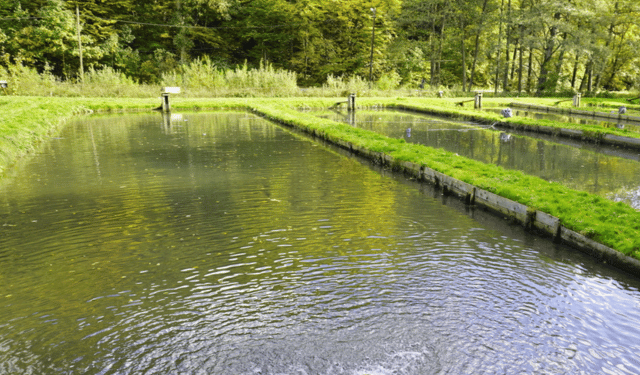
Italian Aquaculture Shifts Toward Responsible Farming

Italian Aquaculture Shifts Toward Responsible Farming

Responsible aquaculture in Italy has undergone a silent transformation in recent years. It is not an overnight revolution, but a gradual shift driven by a market that increasingly demands transparency, measurable commitments, and a new way of communicating how fish is farmed. For many producers, this transition is no longer optional: it has become essential to remain competitive.

Large-scale retail, especially in Northern Europe, has raised the bar. Requests for traceable data, environmental indicators and independent verification are now more frequent, and Italian buyers are moving in the same direction. Across the supply chain, audits have become more rigorous: suppliers must provide precise documentation, while consumers and restaurants want to know exactly where their seafood comes from.

In this context, several companies have chosen to adopt internationally recognized standards to certify their performance. Among them is the Aquaculture Stewardship Council (ASC) certification, used by various Italian producers as a tool to demonstrate product quality — from the production site to the chain of custody. It is not a label to showcase, but a method requiring continuous commitment, constant monitoring and often costly decisions.

Producers who have embraced this path describe very tangible changes: improved water-quality control systems, updated protocols to reduce waste and mortality, and more attention to animal welfare — a topic considered secondary until a few years ago. In some sites, digital technologies now track the entire farming cycle: data that once lived only in a notebook now integrate with software that retailers use to finalize orders.

However, the transition is not without challenges. Many farmers operate with narrow margins and cannot always sustain large investments. Long authorisation procedures, regional differences affecting timelines and strategic choices, and a fragmented production structure all make it harder to achieve the economies of scale already reached by other countries.

Yet despite these obstacles, progress is visible. Companies investing in sustainability report stronger relationships with clients, better positioning and easier access to markets that once seemed out of reach. In coastal areas, responsible aquaculture has also become an economic anchor that ensures job continuity and fosters a more constructive dialogue with local communities, traditionally wary of farming sites.

The sector now stands at a crossroads: continue with a traditional modelfocused mainly on price, or move toward a more advanced approach that combinesquality, transparency and technologies that improve productivity. The second path — although more demanding — is already bringing tangible results to the most forward-looking companies.

Italy has everything needed to consolidate its leadership in the Mediterranean: technical expertise, biodiversity, a strong production tradition and increasingly aware consumers. The next step is to transform sustainability into an industrial pillar, not just a label on packaging. Those able to make this leap will be stronger and more credible in the markets of the future.

For more insights on the future of Italian fisheries and the blue economy, follow ongoing coverage and analysis on Pesceinrete.
NEWSLETTER

Tags: AquacultureASC certificationfish farming ItalyGDO retailItalian aquaculturemediterranean aquacultureresponsible aquacultureseafood industryseafood supply chainseafood sustainabilitysupply chain transparencysustainable aquaculturetraceability
CondividiTweetCondividiPinInviaCondividiInvia
Articolo precedente

Parliamo di Mare. A Venezia focus sul lavoro marittimo

Prossimo articolo

AquaFarm rinnova il perimetro dell’edizione 2026

Davide Ciravolo

Davide Ciravolo

Autore Pesceinrete, retail ittico e mercati seafood Davide Ciravolo è autore Pesceinrete. Si occupa di mercati, distribuzione e scenari commerciali della filiera ittica, con particolare attenzione al rapporto tra prodotto, retail e consumi. La sua esperienza come ex buyer di Esselunga gli permette di osservare il settore seafood anche dal punto di vista della GDO e delle dinamiche di assortimento.

Articoli Correlati

Fishing vessel at sea as warmer ocean temperatures and El Niño shift fish distribution and fishing grounds

El Niño is set to become very strong. Warmer seas are redrawing the geography of fishing

by Luca Di Noto
15 Settembre 2026

What happens to fisheries when seas become warmer? Warmer seas do not simply mean fewer fish. They can change where...

Imported caviar at the centre of the European debate on origin transparency

Imported caviar, European aquaculture calls for clearer origin information

by Mariella Ballatore
11 Settembre 2026

Imported caviar from non-EU countries has become a test case in European aquaculture’s call for greater origin transparency. FEAP warns...

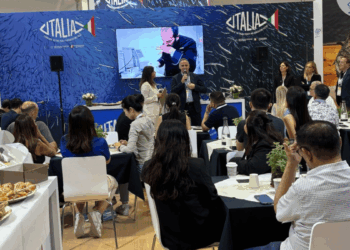
Italian seafood presented to buyers at Seafood Expo Asia in Singapore

From blue crab to red shrimp, buyers put Italy’s seafood supply chain to the test in Singapore

by Redazione
9 Settembre 2026

From blue crab seeking an industrial supply chain to traceable bivalve molluscs and red shrimp for fine dining, Italy is...

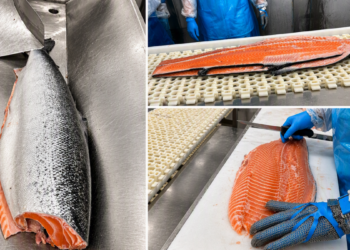
Salmon fillet on the processing line at Freezco Eesti in Tallinn

Freezco expands salmon processing for the italian market

by Davide Ciravolo
7 Settembre 2026

Freezco has expanded salmon processing for the Italian market through Freezco Eesti, a facility in Tallinn launched in May 2026....

Lascia un commento Annulla risposta

Il tuo indirizzo email non sarà pubblicato. I campi obbligatori sono contrassegnati *

Questo sito utilizza Akismet per ridurre lo spam. Scopri come vengono elaborati i dati derivati dai commenti.


Articoli più letti

  • 10 pesci costosi e prelibati
  • Le specie di sarago del Mediterraneo
  • Pesci con più e meno mercurio
  • Molva, una ricchezza del Mare del Nord
  • Molluschi bivalvi: descrizione e caratteristiche
  • Congelare il tonno in scatola
  • Gattuccio e palombo, gli squali buoni da mangiare
  • Triglia: caratteristiche e proprietà nutrizionali
  • Mangiare il tonno crudo: vantaggi e pericoli
  • Sgombro e lanzardo, pesce azzurro per il cuore
Pesceinrete

Pesceinrete è la testata giornalistica unica in Italia ad occuparsi di pesca commerciale ed acquacoltura. In quanto canale tematico e dai contenuti specializzati, si rivolge direttamente agli operatori della filiera con una comunicazione targettizzata che risponde alle esigenze del settore.

Segui le nostre pagine social

Stock images by Depositphotos

Newsletter

Categorie

  • News Ittico
  • Pesca
  • Acquacoltura
  • Associazioni di categoria
  • Sindacati
  • ONG
  • Tecnologia
  • Sostenibilità
  • Mercati
  • Eventi e Fiere
  • Overseas
  • Nutrizione e salute
  • Approfondimenti
  • Chi siamo
  • Policy editoriali
  • Partner
  • Contatti
  • Pubblicità
  • Newsletter
  • Mappa del sito

© 2026 INRETE S.R.L. P.Iva: 02557660814 - Pesceinrete - Il quotidiano del settore ittico | Credits

Pesceinrete
Gestisci Consenso

Usiamo cookie tecnici per far funzionare il sito, e cookie statistici (anche di terze parti) per capire come viene usato e migliorarlo. Puoi accettare tutto, rifiutare tutto o scegliere quali attivare — restando comunque libero di navigare senza restrizioni.

Funzionale Sempre attivo
L'archiviazione tecnica o l'accesso sono strettamente necessari al fine legittimo di consentire l'uso di un servizio specifico esplicitamente richiesto dall'abbonato o dall'utente, o al solo scopo di effettuare la trasmissione di una comunicazione su una rete di comunicazione elettronica.
Preferenze
L'archiviazione tecnica o l'accesso sono necessari per lo scopo legittimo di memorizzare le preferenze che non sono richieste dall'abbonato o dall'utente.
Statistiche
L'archiviazione tecnica o l'accesso che viene utilizzato esclusivamente per scopi statistici. L'archiviazione tecnica o l'accesso che viene utilizzato esclusivamente per scopi statistici anonimi. Senza un mandato di comparizione, una conformità volontaria da parte del vostro Fornitore di Servizi Internet, o ulteriori registrazioni da parte di terzi, le informazioni memorizzate o recuperate per questo scopo da sole non possono di solito essere utilizzate per l'identificazione.
Marketing
L'archiviazione tecnica o l'accesso sono necessari per creare profili di utenti per inviare pubblicità, o per tracciare l'utente su un sito web o su diversi siti web per scopi di marketing simili.
  • Gestisci opzioni
  • Gestisci servizi
  • Gestisci {vendor_count} fornitori
  • Per saperne di più su questi scopi
Personalizza
  • {title}
  • {title}
  • {title}
  • Home
  • Nutrizione e salute
  • Pesca
  • Acquacoltura
  • Approfondimenti
  • Tecnologia
  • Sostenibilità
  • Mercati
  • Overseas English NEW
  • Archivio
  • Chi siamo
  • Contatti
  • Partner
  • Pubblicità
  • Newsletter
Nessun Risultato
Vedi tutti i Risultati

© 2026 INRETE S.R.L. P.Iva: 02557660814 - Pesceinrete - Il quotidiano del settore ittico | Credits