• HOME
  • CHI SIAMO
  • CONTATTI
  • PARTNER
  • PUBBLICITÀ
  • NEWSLETTER
  • ARCHIVIO
    • Bandi e Opportunità
    • Speciali
    • Rubriche
    • Nutrizione e salute
    • Interviste
    • Video
mercoledì 16 Settembre, 2026
Pesceinrete
  • Pesca
  • Nutrizione e salute
  • Acquacoltura
    • Acquaponica
    • Algocoltura
  • Approfondimenti
  • Tecnologia
  • Sostenibilità
  • Mercati
  • OverseasNew
Nessun Risultato
Vedi tutti i Risultati
Pesceinrete
  • Pesca
  • Nutrizione e salute
  • Acquacoltura
    • Acquaponica
    • Algocoltura
  • Approfondimenti
  • Tecnologia
  • Sostenibilità
  • Mercati
  • OverseasNew
Nessun Risultato
Vedi tutti i Risultati
Pesceinrete
Nessun Risultato
Vedi tutti i Risultati

Home Overseas

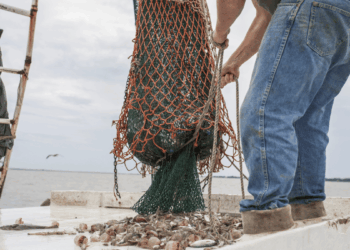
Sustainability reporting in the fishing industry

Today, companies in the industry are not yet required to report their environmental impact, but it is likely that this will soon change.

Gaspare Bilardello by Gaspare Bilardello
7 Novembre 2025
in Overseas
Sustainability reporting in the fishing industry

Sustainability reporting in the fishing industry

Beyond the financial statements required by the Italian Civil Code and the principles set by the Organismo Italiano di Contabilità (OIC), a new document is gaining ground — the sustainability report. It has become essential for companies that value environmental responsibility and, consequently, their social impact.

According to the European Directive 2022/2464 (CSRD), already transposed into Italian law, large public-interest companies — such as listed firms, banks, insurance companies, and large groups with over 500 employees — are required to publish this key document. Starting in 2026, the obligation will gradually extend to other enterprises, including those with more than 250 employees or meeting specific revenue and balance sheet criteria.

However, many companies choose to draft a sustainability report voluntarily. This choice enhances their corporate image and reputation among stakeholders, facilitates access to European funding and tenders, enables more conscious resource management, and strengthens competitiveness in markets increasingly sensitive to environmental and social issues.

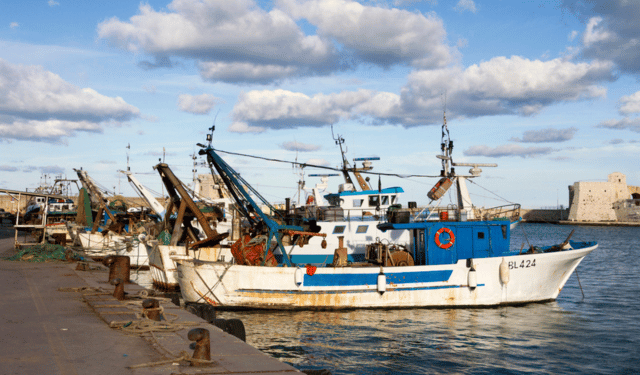
In the fishing and seafood sectors, this topic is still relatively new. Today, companies in the industry are not yet required to report their environmental impact, but it is likely that this will soon change. Those who live by the sea understand better than anyone the value of sustainability, yet it is no longer enough to simply uphold it — soon they will need to demonstrate and communicate how they achieve it.

Fishing, processing, marketing, and aquaculture enterprises that decide to take this path can refer to international standards such as the Global Reporting Initiative (GRI), whose criteria align with the United Nations 2030 Agenda — particularly goals related to responsible consumption and production, life below water, climate action, decent work, and sustainable innovation.

Preparing a sustainability report means being accountable: explaining how marine resources are managed, assessing the energy impact of operations, monitoring pollution, respecting seasonality and fish stocks, ensuring product traceability, and safeguarding fishermen’s working conditions. While this will entail additional costs, the long-term benefits will generate clear value and new market opportunities.

For the fishing industry, preparing a sustainability report — even on a voluntary basis — is an act of responsibility. It means becoming ambassadors of a more conscious maritime culture, one that combines tradition and innovation to ensure that the richness of the sea remains a source of life, work, and future for the generations to come.

Stay ahead of change in the blue economy. Subscribe to our newsletter and get insights on sustainability, innovation, and market trends shaping the seafood sector.

NEWSLETTER

Tags: Agenda 2030AquacultureBlue Economycorporate social responsibilityCSRD directiveenvironmental responsibilityfishing industryGlobal Reporting Initiativemarine resourcesseafood sectorsustainability reportsustainable fisheriessustainable innovationsustainable seafoodtraceability
CondividiTweetCondividiPinInviaCondividiInvia
Articolo precedente

Blue News Sicilia 10 | L’economia del mare in Sicilia tra porti e Guida Blu

Prossimo articolo

Mazara compatta attorno alla O.P. Blue Sea: “Siamo un punto di orgoglio per la città”

Gaspare Bilardello

Gaspare Bilardello

Autore Pesceinrete, pesca mediterranea e scenari internazionali Gaspare Bilardello scrive per Pesceinrete occupandosi di pesca mediterranea, marinerie, rapporti internazionali e scenari geopolitici del mare. I suoi contributi aiutano a leggere il settore ittico dentro un quadro più ampio, in cui produzione, territori, economie costiere e relazioni tra Paesi si intrecciano in modo sempre più evidente.

Articoli Correlati

Fishing vessel at sea as warmer ocean temperatures and El Niño shift fish distribution and fishing grounds

El Niño is set to become very strong. Warmer seas are redrawing the geography of fishing

by Luca Di Noto
15 Settembre 2026

What happens to fisheries when seas become warmer? Warmer seas do not simply mean fewer fish. They can change where...

Imported caviar at the centre of the European debate on origin transparency

Imported caviar, European aquaculture calls for clearer origin information

by Mariella Ballatore
11 Settembre 2026

Imported caviar from non-EU countries has become a test case in European aquaculture’s call for greater origin transparency. FEAP warns...

Italian seafood presented to buyers at Seafood Expo Asia in Singapore

From blue crab to red shrimp, buyers put Italy’s seafood supply chain to the test in Singapore

by Redazione
9 Settembre 2026

From blue crab seeking an industrial supply chain to traceable bivalve molluscs and red shrimp for fine dining, Italy is...

Salmon fillet on the processing line at Freezco Eesti in Tallinn

Freezco expands salmon processing for the italian market

by Davide Ciravolo
7 Settembre 2026

Freezco has expanded salmon processing for the Italian market through Freezco Eesti, a facility in Tallinn launched in May 2026....

Lascia un commento Annulla risposta

Il tuo indirizzo email non sarà pubblicato. I campi obbligatori sono contrassegnati *

Questo sito utilizza Akismet per ridurre lo spam. Scopri come vengono elaborati i dati derivati dai commenti.


Articoli più letti

  • 10 pesci costosi e prelibati
  • Le specie di sarago del Mediterraneo
  • Pesci con più e meno mercurio
  • Molva, una ricchezza del Mare del Nord
  • Molluschi bivalvi: descrizione e caratteristiche
  • Congelare il tonno in scatola
  • Gattuccio e palombo, gli squali buoni da mangiare
  • Triglia: caratteristiche e proprietà nutrizionali
  • Mangiare il tonno crudo: vantaggi e pericoli
  • Sgombro e lanzardo, pesce azzurro per il cuore
Pesceinrete

Pesceinrete è la testata giornalistica unica in Italia ad occuparsi di pesca commerciale ed acquacoltura. In quanto canale tematico e dai contenuti specializzati, si rivolge direttamente agli operatori della filiera con una comunicazione targettizzata che risponde alle esigenze del settore.

Segui le nostre pagine social

Stock images by Depositphotos

Newsletter

Categorie

  • News Ittico
  • Pesca
  • Acquacoltura
  • Associazioni di categoria
  • Sindacati
  • ONG
  • Tecnologia
  • Sostenibilità
  • Mercati
  • Eventi e Fiere
  • Overseas
  • Nutrizione e salute
  • Approfondimenti
  • Chi siamo
  • Policy editoriali
  • Partner
  • Contatti
  • Pubblicità
  • Newsletter
  • Mappa del sito

© 2026 INRETE S.R.L. P.Iva: 02557660814 - Pesceinrete - Il quotidiano del settore ittico | Credits

Pesceinrete
Gestisci Consenso

Usiamo cookie tecnici per far funzionare il sito, e cookie statistici (anche di terze parti) per capire come viene usato e migliorarlo. Puoi accettare tutto, rifiutare tutto o scegliere quali attivare — restando comunque libero di navigare senza restrizioni.

Funzionale Sempre attivo
L'archiviazione tecnica o l'accesso sono strettamente necessari al fine legittimo di consentire l'uso di un servizio specifico esplicitamente richiesto dall'abbonato o dall'utente, o al solo scopo di effettuare la trasmissione di una comunicazione su una rete di comunicazione elettronica.
Preferenze
L'archiviazione tecnica o l'accesso sono necessari per lo scopo legittimo di memorizzare le preferenze che non sono richieste dall'abbonato o dall'utente.
Statistiche
L'archiviazione tecnica o l'accesso che viene utilizzato esclusivamente per scopi statistici. L'archiviazione tecnica o l'accesso che viene utilizzato esclusivamente per scopi statistici anonimi. Senza un mandato di comparizione, una conformità volontaria da parte del vostro Fornitore di Servizi Internet, o ulteriori registrazioni da parte di terzi, le informazioni memorizzate o recuperate per questo scopo da sole non possono di solito essere utilizzate per l'identificazione.
Marketing
L'archiviazione tecnica o l'accesso sono necessari per creare profili di utenti per inviare pubblicità, o per tracciare l'utente su un sito web o su diversi siti web per scopi di marketing simili.
  • Gestisci opzioni
  • Gestisci servizi
  • Gestisci {vendor_count} fornitori
  • Per saperne di più su questi scopi
Personalizza
  • {title}
  • {title}
  • {title}
  • Home
  • Nutrizione e salute
  • Pesca
  • Acquacoltura
  • Approfondimenti
  • Tecnologia
  • Sostenibilità
  • Mercati
  • Overseas English NEW
  • Archivio
  • Chi siamo
  • Contatti
  • Partner
  • Pubblicità
  • Newsletter
Nessun Risultato
Vedi tutti i Risultati

© 2026 INRETE S.R.L. P.Iva: 02557660814 - Pesceinrete - Il quotidiano del settore ittico | Credits